


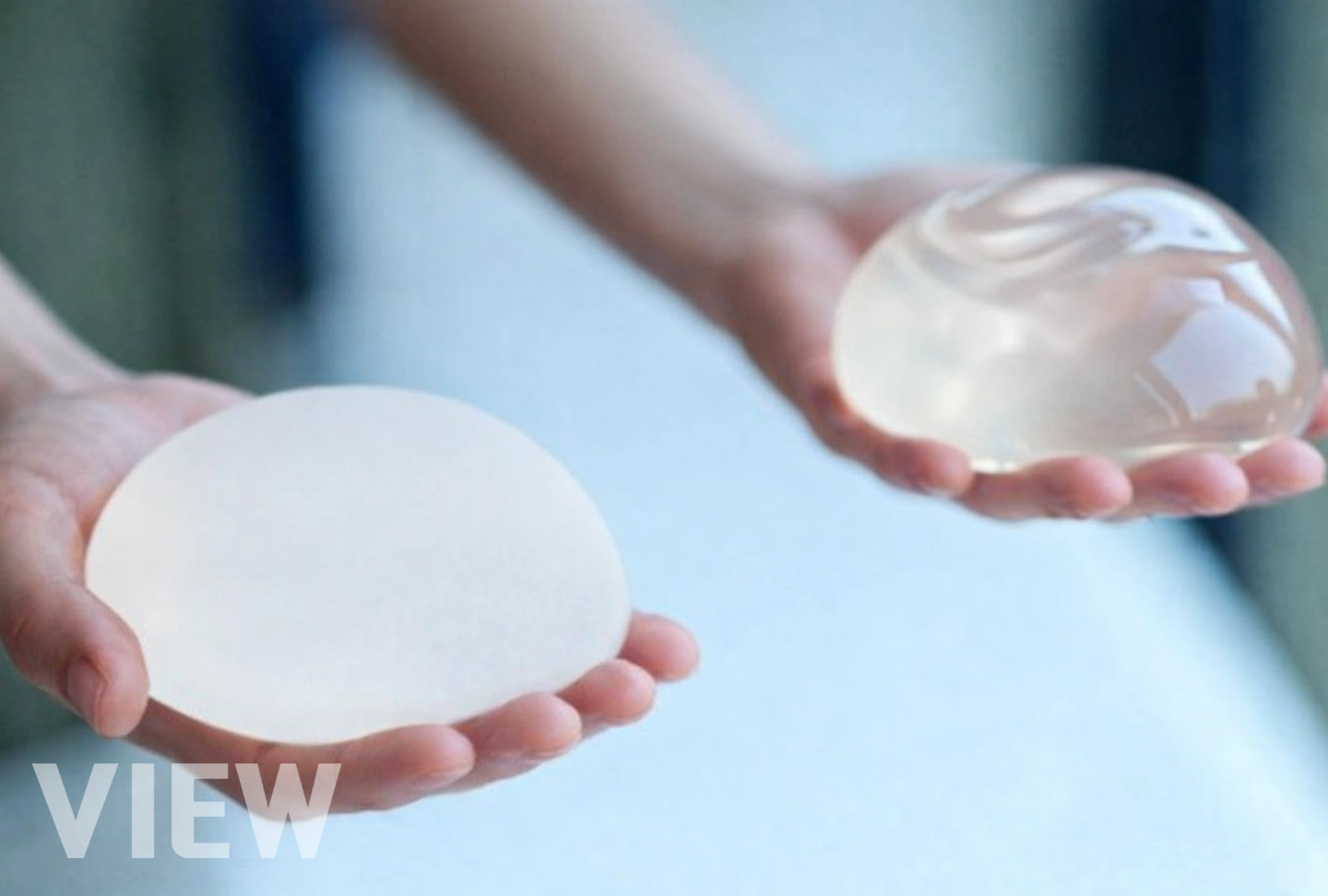
The reality is that there is a stark contrast between a result that screams “I had surgery” and one that leaves people guessing. This difference is rarely due to luck. It is the result of a complex equation involving anatomical analysis, precise surgical design, and the correct matching of implant specifications to the patient’s body frame.
For international patients considering Korean Breast Surgery, understanding these technical factors is crucial. This guide will dissect the medical reasons behind implant visibility and how to achieve a “zero-visibility” result.
What Makes Breast Implants Look 'Fake'?
To achieve a Breast Implant Natural Look, we must first identify the enemies of a natural result. Visible implants usually stem from a mismatch between the implant’s dimensions and the patient’s soft tissue characteristics.
Insufficient Soft Tissue Coverage (The Thin Skin Dilemma)
The most common culprit for implant visibility is a lack of tissue coverage. In many Asian patients or naturally slender individuals, the subcutaneous fat layer and breast parenchyma (glandular tissue) are thin. If an implant is placed directly under the gland (Subglandular) in a thin patient, the upper pole of the implant becomes visible as a sharp, round arc. This is often referred to as the “step-off” deformity.
- The Risk: Visible rippling (wrinkling of the implant shell) and palpable edges.
- The Solution: Utilizing the Dual Plane technique or composite augmentation (hybrid breast augmentation) using fat grafting.
The Mismatch of Chest Width (BW) and Implant Width
Every chest has a defined “Base Width” (BW). A major error occurs when a patient or surgeon prioritizes volume (cc) over dimension (width).
- Too Wide: If an implant exceeds the patient’s natural chest width, the breasts may extend too far laterally (rubbing against the arms) or merge in the middle (Symmastia or “Uniboob”).
- Too Narrow: Placing a narrow, high-profile implant on a broad chest creates a “ball-in-a-sock” appearance with a wide, unnatural gap between the breasts.
| Scenario | Visual Consequence | Underlying Cause |
|---|---|---|
| The “Ball” Look | Upper pole is too full and round; looks stuck on. | Profile too high for tissue thickness; Incorrect pocket. |
| Wide Gap | Breasts look separated; cleavage is impossible. | Implant diameter is smaller than the chest Base Width. |
| Rippling | Visible waves/wrinkles on the side of the breast. | Thin tissue coverage; under-filled saline or low-cohesivity gel. |
Implant Profile Selection Errors
Implants come in Low, Moderate, High, and Ultra-High profiles. A common misconception is that “High Profile” is always better for size. However, High Profile concentrates volume forward. In a patient with a flat chest wall, this can look like a hemisphere sitting on a flat surface. A Moderate or Demie profile often distributes volume more broadly, mimicking the natural slope of a breast.
Key Elements to Achieve the "Invisible" Surgery
At View Plastic Surgery, we employ specific strategies to ensure Breast Implant Visibility is minimized, even in slim patients.
Securing Coverage: The Dual Plane Method
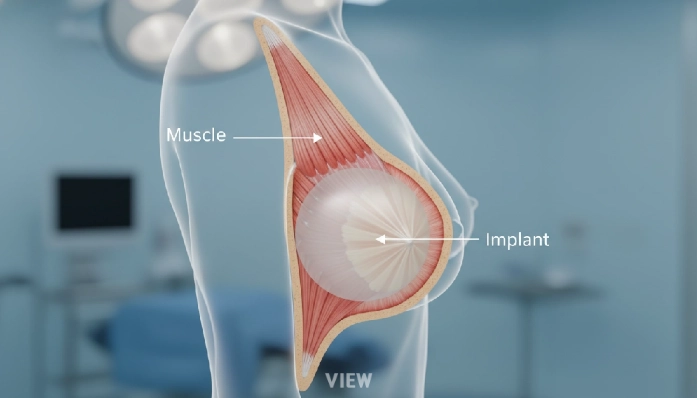
The “Dual Plane” technique is the gold standard for natural results. It involves placing the upper portion of the implant under the Pectoralis Major muscle, while the lower portion sits under the breast gland.
Why it works: The muscle acts as a blanket over the top edge of the implant, masking the transition point so the slope looks natural, not stepped. This is critical for preventing the “fake ball” look.
Implant Width Matching (IWM)
We strictly adhere to the rule: Implant Width ≤ Patient’s Available Base Width. During your consultation, we measure the chest diameter to the millimeter. If your chest width is 11.5cm, choosing an implant with a 12.5cm diameter guarantees unnatural results or complications. We select the maximum width that fits inside your frame to create cleavage without crossing the midline.
Brand Selection Based on Tissue Dynamics
Different brands interact differently with gravity and tissue. We customize the choice based on your specific anatomy:
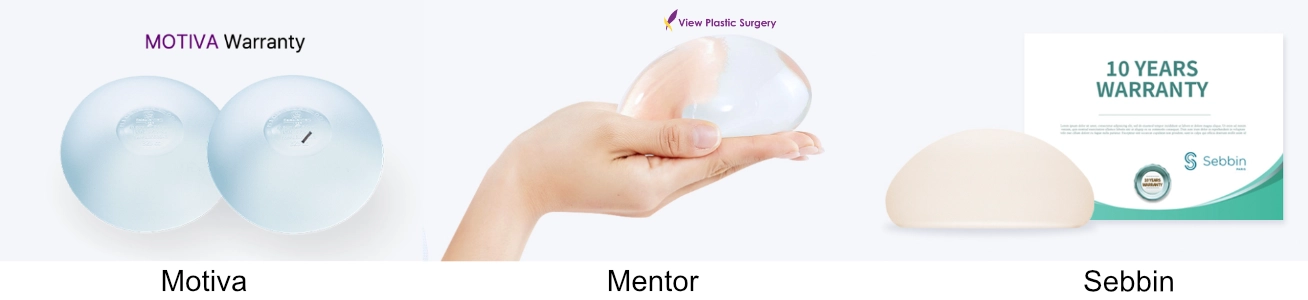
- Motiva (Ergonomix): Known for its “viscoelastic” gel. When standing, the gel flows downward to create a teardrop shape; when lying down, it spreads round. This mimics natural breast tissue behavior perfectly and is ideal for patients with thin skin.
- Sebbin: Offers a very soft touch with a high-performance shell. Sebbin is excellent for patients prioritizing a natural tactile feel (softness) and offers diverse dimensions for narrow chests.
- Mentor: The MemoryGel Xtra line provides precise fullness. It is a robust choice for patients who want a defined shape and long-term stability backed by extensive FDA data.
Hybrid Augmentation (Fat Grafting)
For patients with virtually zero breast tissue (AA cup) or visible ribs, an implant alone may not be enough. In these cases, we perform “Hybrid Augmentation.” We place the implant for volume and inject purified fat (harvested from thighs/abdomen) around the edges of the implant (cleavage and upper pole). This adds a layer of natural tissue padding, effectively hiding the implant.
The "Zero-Visibility" Checklist
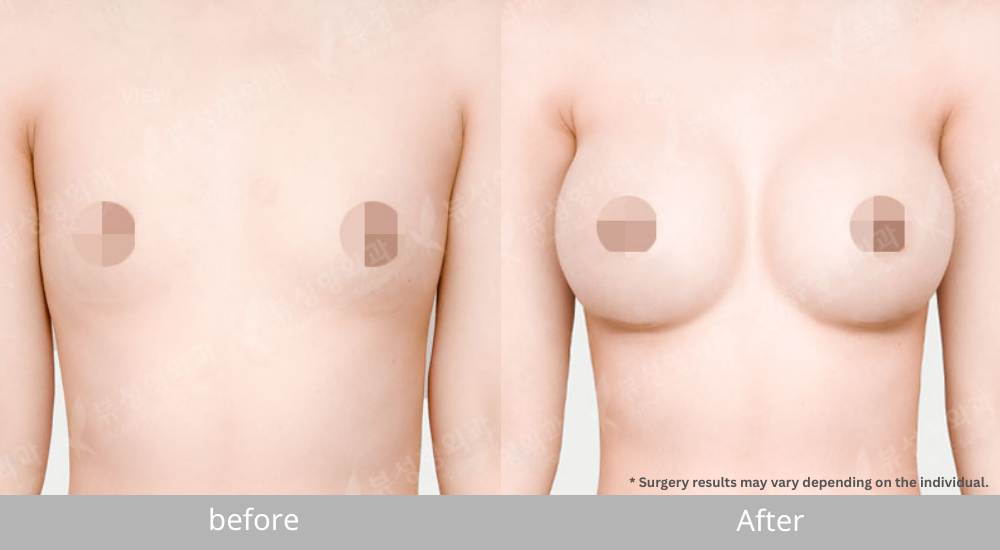
Under what conditions is a breast surgery completely undetectable? The perfect candidate for a “natural” result usually has:
- Adequate Skin Elasticity: Skin that can stretch without thinning excessively.
- Moderate Natural Tissue: At least 2cm of pinchable tissue at the upper pole.
- Correct Profile Selection: A projection that matches the hip-to-waist ratio.
- Submuscular/Dual Plane Placement: To hide the upper edge.
Note: Even if you do not meet all these criteria naturally, surgical techniques like fat grafting and Dual Plane placement can compensate for deficiencies.
Pre-Op Consultation: What We Must Measure
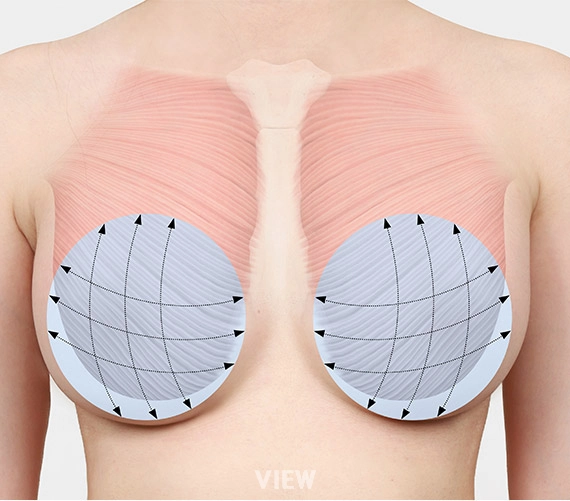
When you visit View Plastic Surgery or contact us via WhatsApp, our assessment goes beyond just “cup size.” We analyze:
- BWD (Breast Width Diameter): The absolute limit of implant width.
- Sternum Notch-to-Nipple Distance: Determines the degree of ptosis (sagging) and nipple position.
- Pinch Test: Measuring the thickness of the skin and subcutaneous fat in the upper pole to decide on Dual Plane type.
- Rib Cage Asymmetry: Many patients have one side of the rib cage that protrudes more; we must adjust implant profiles accordingly (e.g., High profile on the flat side, Moderate on the protruding side).
Conclusion

Whether a breast augmentation looks “fake” or “natural” is rarely an accident. It is a deliberate outcome of design. While brand choice (Motiva, Sebbin, Mentor) is important, the surgeon’s ability to analyze your chest wall architecture and select the corresponding surgical plane is the deciding factor.
At View Plastic Surgery, we don’t just insert implants; we sculpt a silhouette that respects your anatomy. If you are unsure which implant or technique is right for your body type, accurate diagnosis is the first step.
Ready to design your ideal silhouette?