


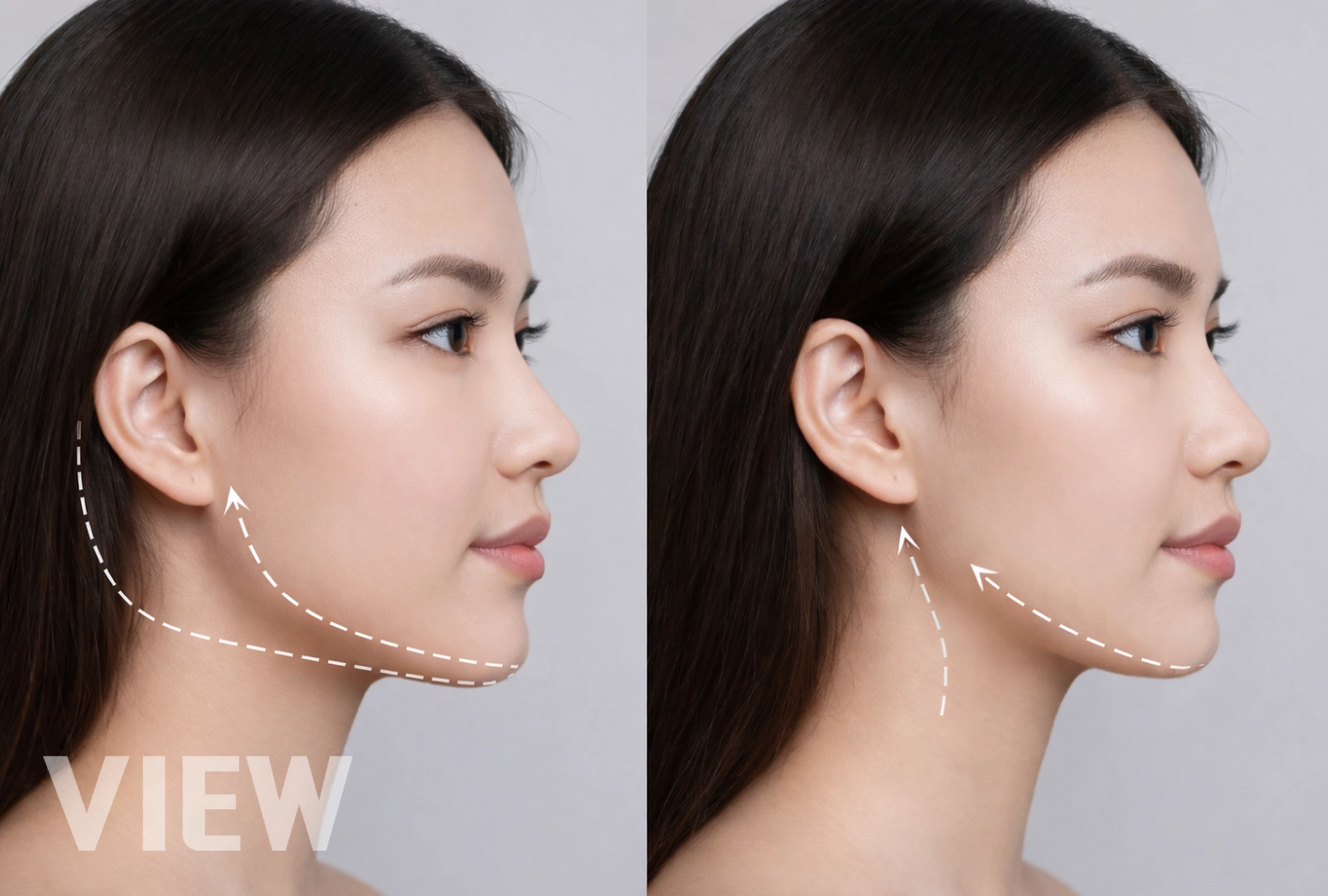
What Is Facial Contouring Surgery?
Facial contouring surgery is often misunderstood as a procedure designed simply to make the face look smaller. In reality, it is a surgery focused on adjusting the proportions and balance of the facial bone structure. By reshaping key skeletal areas such as the cheekbones, jaw angles, and chin, facial contouring surgery aims to change overall facial impression, visual weight, and structural harmony.
For this reason, the results of facial contouring surgery cannot be evaluated by how much bone is removed alone. Even with the same amount of reduction, the visible outcome can differ significantly depending on facial anatomy and surgical planning. Rather than a procedure for facial reduction, facial contouring surgery should be understood as a process of reorganizing facial structure to achieve better balance.
How Facial Contouring Surgery Works on Facial Structure
Facial contouring surgery does not work by uniformly reducing facial bones. Instead, it selectively adjusts key structural points that define facial width, lower-face proportion, and symmetry. The primary factor is not the amount of bone removed, but how the facial bones are realigned in proportion and position.
Selective Adjustment of Key Facial Structures in Facial Contouring Surgery

Facial contouring surgery focuses on specific skeletal areas that play major roles in facial appearance. The cheekbones influence facial width and three-dimensional projection, the mandibular angle affects the heaviness and angularity of the lower face, and the chin contributes to facial alignment and proportional balance. Although these structures appear independent, they are anatomically connected, meaning that adjustments to one area often influence overall facial contour. For this reason, surgical planning may involve simultaneously considering the width and midline of the lower face, such as in approaches where the mandibular angle and chin are adjusted together.
Why Direction and Position Matter More Than Bone Reduction
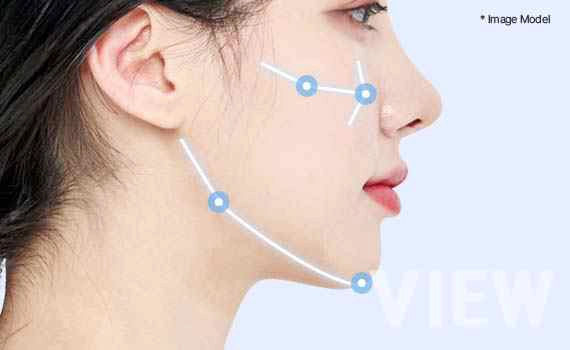
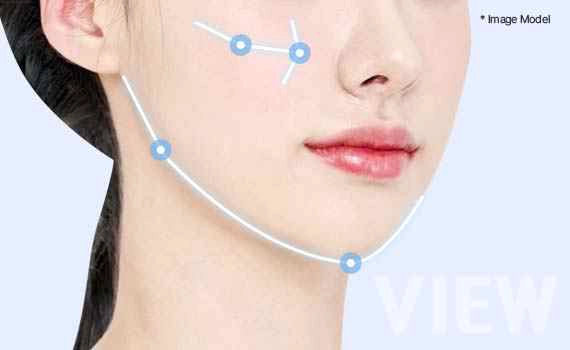
Structural Analysis Before Facial Contouring Surgery
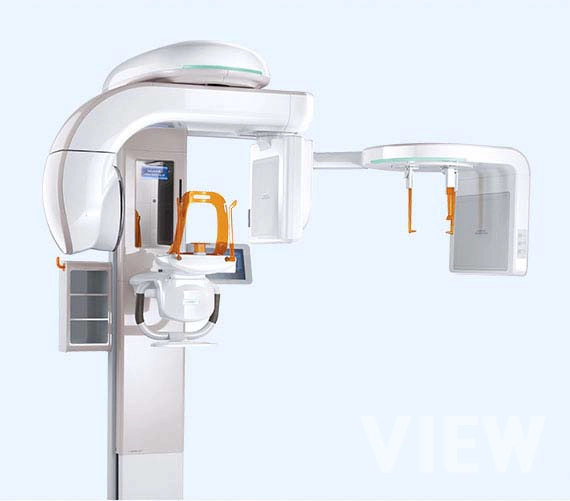
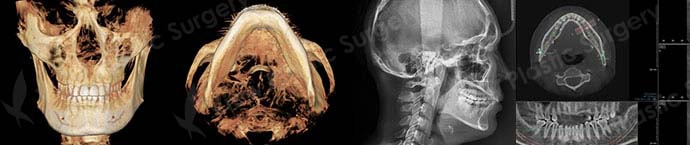
A significant part of how facial contouring surgery works is determined before the operation itself. Through 3D CT scans and X-ray imaging, surgeons analyze bone shape, left–right asymmetry, nerve pathways, and muscle attachment points. Based on this analysis, a personalized adjustment range is designed to match the patient’s overall facial proportions. This process minimizes unnecessary bone removal and helps ensure safety, predictability, and long-term stability.
From Structural Realignment to Visible Results
Key Effects of Facial Contouring Surgery
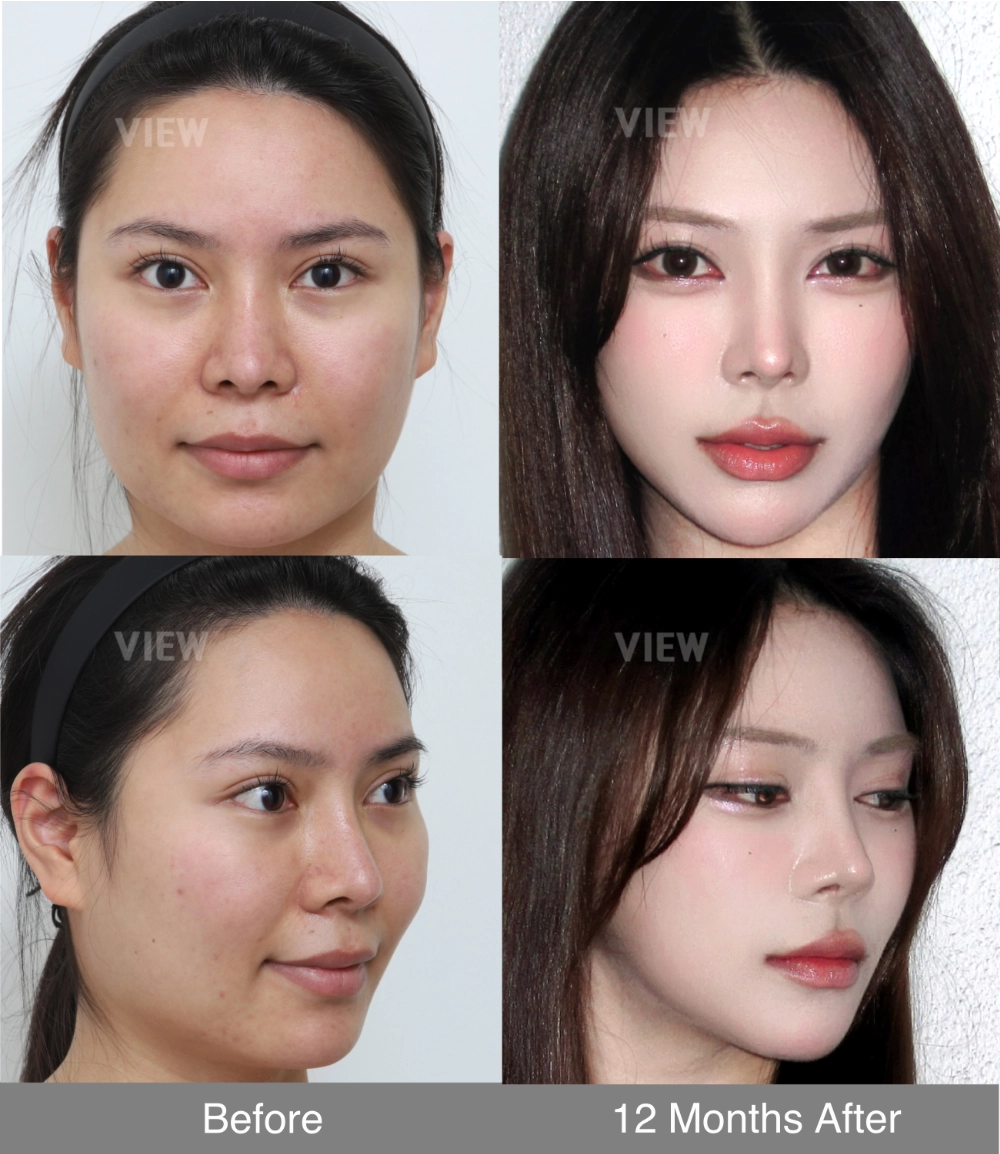
Changes in Facial Width and Lower-Face Proportion
Changes in Facial Impression After Facial Contouring Surgery
Improvement of Facial Asymmetry
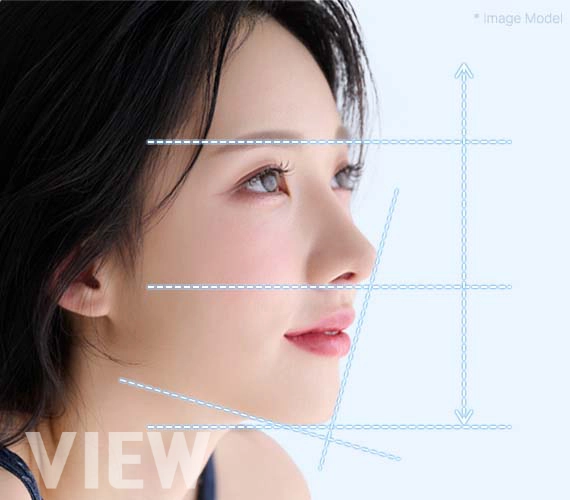
Changes in Facial Definition from Side and Oblique Angles
Limitations and Considerations of Facial Contouring Surgery
When the Effects of Facial Contouring Surgery Are More Noticeable
- When facial width or lower-face proportion creates a generally heavy or bulky impression
- When bony structures such as prominent cheekbones or a wide mandibular angle play a dominant role in defining facial contour and impression
- When there is visible skeletal asymmetry, including differences in cheekbone height, jaw angle imbalance, or chin deviation
- When the primary concern is a structural bone issue that cannot be adequately improved through non-surgical treatments
When the Effects of Facial Contouring Surgery May Be Limited
- When facial sagging is primarily caused by skin laxity, fat displacement, or muscle descent rather than bone structure
- When aging-related changes or skin condition have a stronger impact on facial impression than skeletal shape
- When the main goal of surgery is to replicate a trendy or idealized face shape rather than improve individual structural balance
- When dramatic changes are expected within a short period of time
- When surgical outcomes are judged mainly by the amount of bone removed
In such cases, facial contouring surgery alone may not fully address the underlying cause of concern, and overall satisfaction can be limited if expectations are not carefully adjusted.
Standards of Facial Contouring Surgery in Korea and VIEW Plastic Surgery
Why Facial Contouring Surgery in Korea Is Highly Regarded

In Korea, facial contouring surgery has developed into a highly specialized field that considers not only bone reduction but also overall facial proportion and soft tissue response. Because multiple facial structures are often addressed simultaneously, preoperative analysis using 3D CT scans and X-rays is essential. Surgical planning emphasizes long-term stability and balance rather than immediate postoperative appearance.
Facial Contouring Surgery Expertise at VIEW Plastic Surgery

FAQ
Does removing more bone lead to better results in facial contouring surgery?
When do facial contouring surgery results look natural?
Can facial sagging occur after facial contouring surgery?
Are cheekbones, jaw angles, and the chin always operated on together?
Who is a good candidate for facial contouring surgery?
Patients whose facial impression is strongly influenced by bone structure, such as those with heavy or asymmetric facial contours, tend to be suitable candidates.