

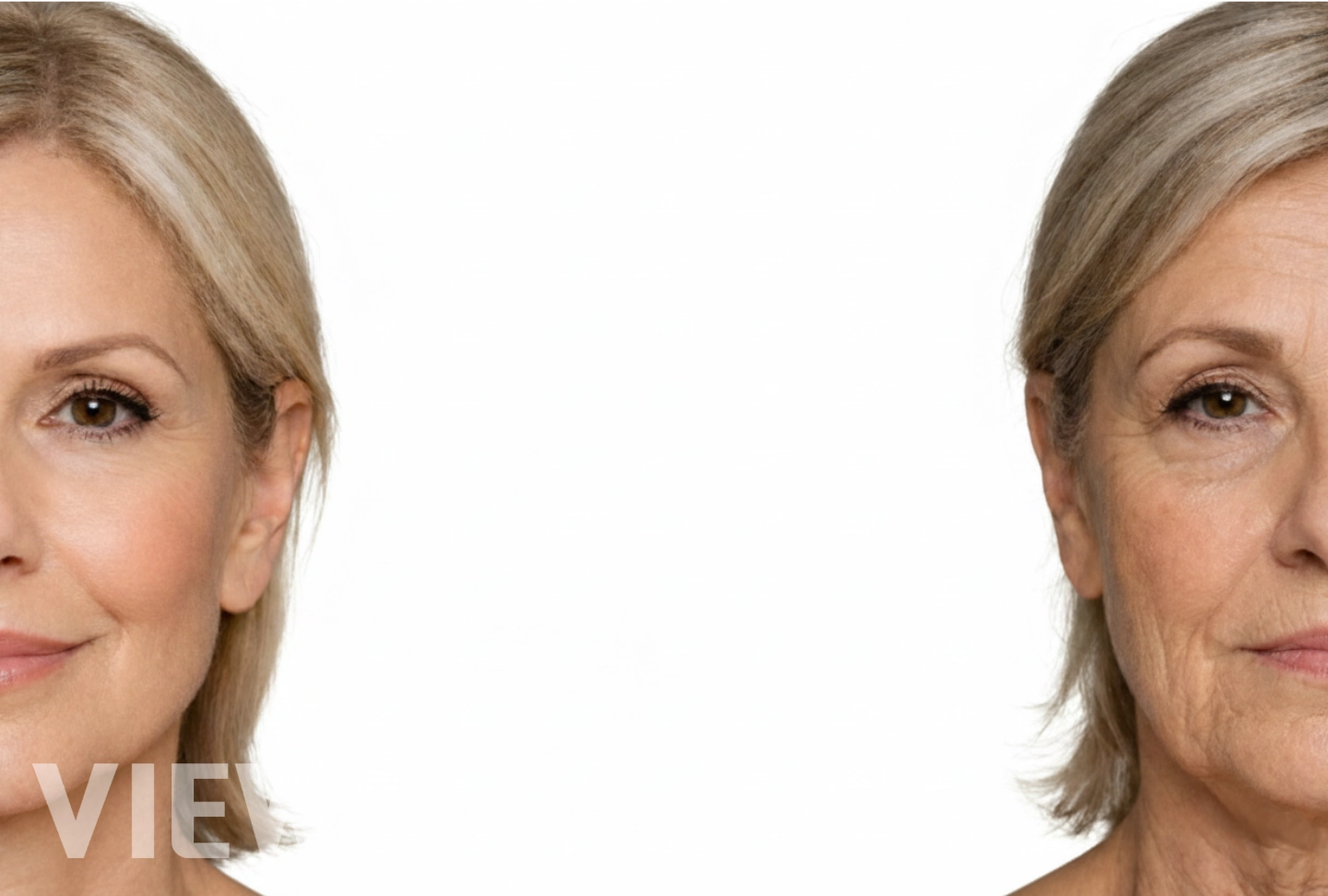
Redefining Beauty in Your 60s
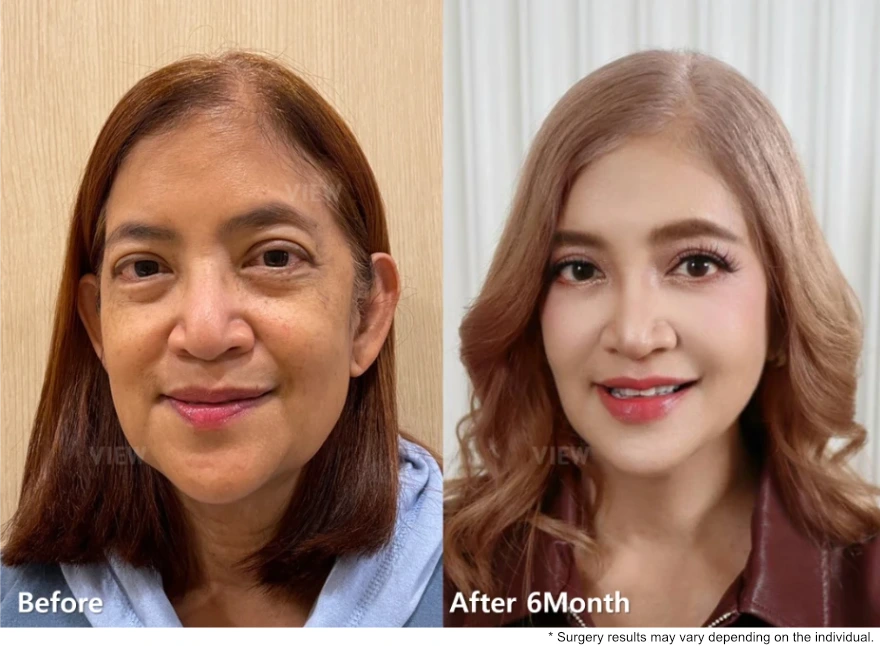
Anti-Aging Surgery in your 60s is becoming increasingly popular as wanting to look youthful and vibrant does not fade with age—it evolves. While your 60s represent maturity and confidence, external appearance does not always reflect how energetic you feel inside. Thanks to advances in modern aesthetic surgery, Anti-Aging Surgery can help patients in their 60s achieve natural, refreshed results that resemble their early 50s—or even younger.
his guide introduces effective and proven anti-aging surgical options specifically designed for patients in their 60s, focusing on safety, longevity, and preserving individual facial character.
Key Aging Changes in the 60s
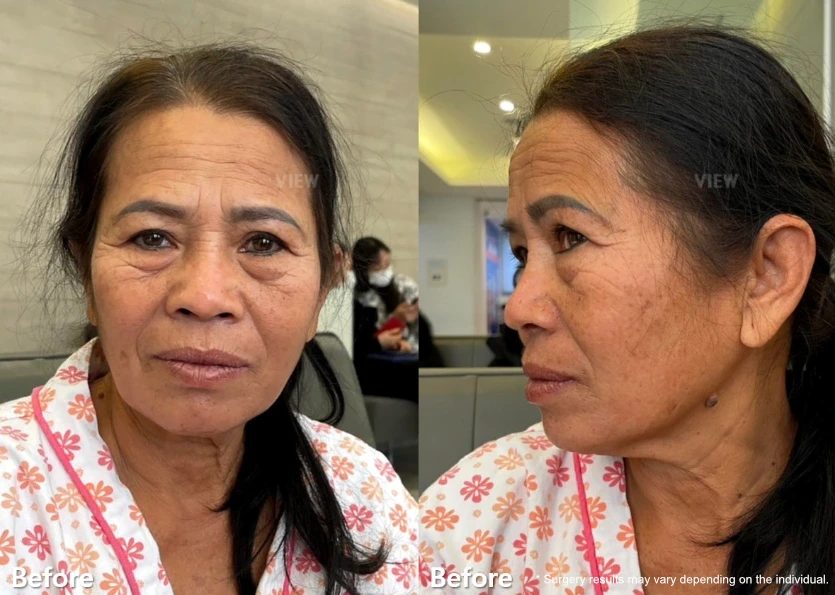
Understanding how facial aging progresses in your 60s is essential for choosing the most effective treatment approach.
Volume Loss and Tissue Descent
Significant volume loss occurs in the midface, temples, and under-eye areas. Deep fat compartments that once provided structure and fullness gradually shrink, allowing soft tissue to descend due to gravity and weakened support.
Decline in Skin Quality
Decades of sun exposure, environmental stress, and natural collagen depletion result in thinner skin with reduced elasticity. Deep wrinkles, pigmentation, and texture changes become more pronounced, while the skin’s ability to recover slows noticeably.
Bone Resorption
Bone loss accelerates around the eye sockets, jawline, and chin. As the facial skeleton diminishes, overlying soft tissue appears looser, contributing to a hollowed and aged appearance.
Weakening of Muscles and Ligaments
The SMAS layer (superficial musculoaponeurotic system) and facial retaining ligaments lose strength over time. This leads to sagging of the jawline, deepening of nasolabial folds, and drooping around the mouth.
Neck Aging
Vertical platysmal bands, excess skin, and the characteristic “turkey neck” appearance become more evident. Some patients experience fat accumulation under the chin, while others show pronounced volume loss.
Areas Improved by Anti-Aging Surgery in the 60s
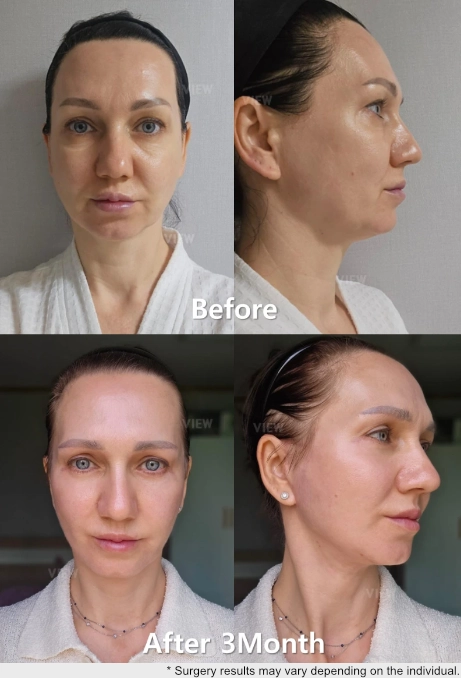
Not all facial regions respond equally to surgery. Prioritizing key areas can maximize rejuvenation results.
Lower Face and Jawline
This area typically shows the most noticeable improvement. Sagging jowls, deep smile lines, and downturned mouth corners can add 10–15 years to one’s appearance. Facelift surgery restores a defined jawline and youthful contour—results that non-surgical treatments cannot replicate.
Neck
A rejuvenated neck dramatically enhances overall facial appearance. The contrast between a smooth neck and a well-defined jawline creates a powerful visual impact, especially since the neck is difficult to conceal.
Eye Area
The eyes are central to facial expression. Drooping upper lids, under-eye bags, and excess lower eyelid skin often create a tired or sad look. Surgical correction restores openness, brightness, and a more approachable expression.
Forehead and Brow Position
Lowered brows contribute significantly to an aged appearance. Elevating the brows to a youthful position lightens the upper face and softens deep forehead lines, often making patients look several years younger.
Types of Anti-Aging Surgery for Patients in Their 60s
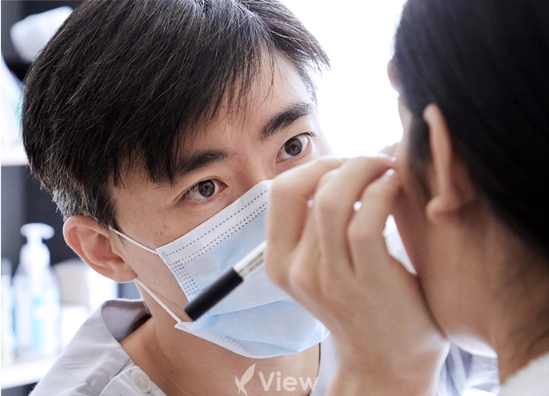
Anti-aging surgery in the 60s focuses on restoring facial structure,
improving sagging tissues, and maintaining natural facial harmony.
Rather than subtle enhancement, surgical approaches are often required
to address advanced aging changes that non-surgical treatments cannot correct.
Facelift surgery remains the most comprehensive and effective rejuvenation option for patients in their 60s. Modern techniques focus on repositioning deeper tissues rather than simply tightening the skin, ensuring natural and long-lasting results.
Deep Plane Facelift
- Repositions the SMAS layer and deep fat compartments as a single unit
- Excellent improvement of the midface, nasolabial folds, and jawline
- Preserves natural facial expression while achieving dramatic rejuvenation
- Longevity: 10–15 years, offering the longest-lasting structural results
SMAS Facelift
- Separately lifts and secures the SMAS layer
- Dual-layer support for balanced, natural outcomes
- Longevity: 8–12 years
Key Benefits
- Restoration of a sharp and defined jawline
- Softening of nasolabial folds and marionette lines
- Lifting of sagging cheeks
- Overall facial contour rejuvenation
- Simultaneous correction of multiple aging signs
Ideal Candidates
- Severe skin laxity
- Deep nasolabial folds
- Pronounced jowls and jawline sagging
- Loss of lower facial contour
- Realistic expectations regarding surgical outcomes
Eyelid surgery addresses one of the most age-revealing areas of the face with relatively minimal invasiveness and a shorter recovery period.
Upper Blepharoplasty
- Removes excess upper eyelid skin and, when necessary, excess fat
- Eliminates drooping that causes heaviness or visual obstruction
- Incisions are concealed within the natural eyelid crease
- Important in the 60s: Conservative fat removal is essential to avoid a hollow, aged look
Lower Blepharoplasty
- Corrects under-eye bags, loose skin, and tear trough hollowing
- Modern techniques favor fat repositioning rather than removal
- Transconjunctival approach allows scarless surgery when skin excision is minimal
- Eliminates a tired, sunken appearance
Key Benefits
- Brighter and more open eyes
- Reduction of tired or sad facial expression
- Improved peripheral vision in cases of severe upper lid drooping
- Smoother under-eye contour and reduced dark circles
- More youthful and energetic facial impression
Ideal Candidates
- Excess upper eyelid skin
- Prominent under-eye fat pads
- Hollow tear troughs
- Adequate skin elasticity or acceptance of minor texture changes
- No severe ophthalmologic conditions
Drooping brows significantly contribute to an aged appearance. Elevating the brows can create remarkable rejuvenation while preserving natural facial expression.
Sub-Brow Lift Technique
- Incision design customized along the upper or lower brow line based on the degree of drooping
- Removal of excess skin and muscle
- Firm fixation of the orbicularis oculi muscle to the periosteum
- Suturing along the brow line minimizes visible scarring
- Reduces the risk of recurrence and provides longer-lasting results
Key Benefits
- Improvement of drooping brows and upper eyelid skin
- Reduced discomfort when opening the eyes and improved visual field
- Decreased reliance on forehead muscles, helping prevent forehead wrinkles
- Brighter, clearer, and less fatigued appearance
- Natural rejuvenation without significantly altering eye shape
Ideal Candidates
- Drooping eyelids that obstruct or narrow the visual field
- Heavy, tired-looking eyes
- Patients who do not want to create a new double eyelid fold
- Existing double eyelid folds hidden by sagging skin
- Those seeking natural rejuvenation without noticeable changes to eye shape
Results may vary depending on individual conditions. As with all surgeries, complications such as bleeding, infection, or inflammation may occur.
Neck Lifting(Platysmaplasty)
The neck often ages faster than the face, making neck rejuvenation essential for comprehensive anti-aging results. Neck lift surgery can be performed alone or in combination with a facelift.
Platysmaplasty
- Tightening or modification of the platysma muscles that create vertical neck bands
- Muscles are sutured at the midline to restore a smooth, youthful neck contour
Submental Liposuction
- Removal of excess fat beneath the chin
- In patients in their 60s, decreased skin elasticity often necessitates combination with skin excision
Skin Excision
- Removal of excess neck skin through incisions behind the ears and sometimes beneath the chin
- Essential for patients with severe skin laxity
Key Benefits
- Elimination of the “turkey neck” appearance
- Softening of vertical neck bands
- Reduction of excess submental fat
- Creation of a well-defined cervicomental angle
- Younger, smoother neck contour
- Dramatic improvement in profile view
Ideal Candidates
- Prominent platysmal bands
- Excess neck skin
- Submental fat accumulation
- Loss of jawline–neck definition
- Overall good health suitable for surgery
Results may vary depending on individual conditions. As with all surgeries, complications such as bleeding, infection, or inflammation may occur.
Combining Procedures for Optimal Results
Many patients in their 60s achieve the most significant and satisfying outcomes when multiple procedures are combined. Carefully planned combination surgery allows for comprehensive rejuvenation while maintaining facial harmony and balance. Common surgical combinations include the following:
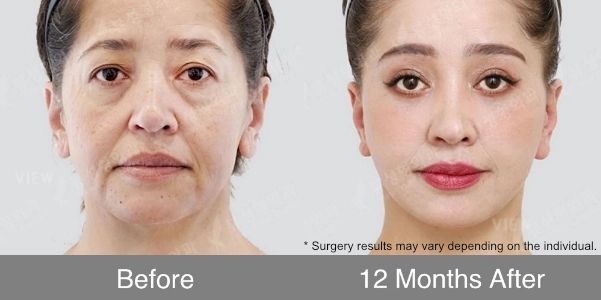
Full Facial Rejuvenation Combination
Facelift + Neck Lift + Upper & Lower Blepharoplasty + Brow Lift
This comprehensive approach addresses all major signs of aging in a single surgical session, creating balanced and harmonious rejuvenation across the entire face.
Lower Face–Focused Combination
Facelift + Neck Lift
Ideal for patients whose primary concerns include jawline sagging, lower face drooping, and visible neck aging.
Upper Face Refresh Combination
Brow Lift + Upper Blepharoplasty
Targets the eye and forehead areas to create a brighter, more open, and refreshed appearance.
Advantages of Combined Procedures
- A single recovery period instead of multiple separate recoveries
- Reduced overall cost compared to undergoing individual surgeries
- Harmonized results across all facial regions
- More efficient use of anesthesia tim
Who Is a Good Candidate for Anti-Aging Surgery
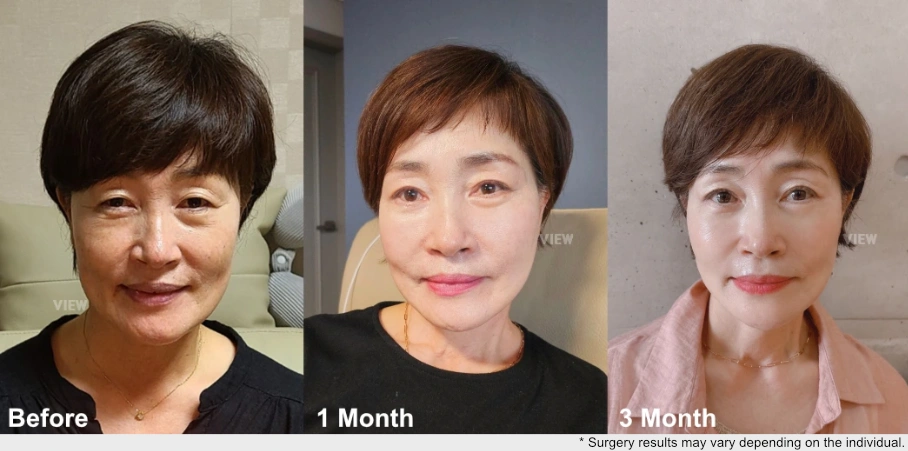
Anti-aging surgery may be recommended for individuals who experience the following concerns:
- Severe facial sagging that does not respond to non-surgical treatments
- Loss of jawline definition and facial contour
- Deep nasolabial folds and marionette lines
- Excess upper eyelid skin that affects vision or appearance
- Under-eye fat protrusion and hollowing
- Drooping brows that create a tired or angry expression
- Vertical neck bands and excessive loose neck skin
- An outward appearance that does not reflect one’s inner vitality
FAQ
Is 60 too old for facial rejuvenation surgery?
Not at all. Chronological age alone is not the deciding factor. Overall health, medical condition, and suitability for anesthesia and surgery are far more important. Many patients in their 60s and beyond safely undergo facial rejuvenation surgery with excellent outcomes.
Will the results look unnatural or overdone?
Modern anti-aging surgery does not aim for exaggerated or artificial changes.
Advanced techniques focus on restoring facial structure and balance while preserving
each patient’s unique facial identity, resulting in subtle and natural-looking rejuvenation.
Should I choose surgical or non-surgical treatments?
Mild aging changes may respond well to non-surgical treatments. However, in patients
in their 60s, structural aging such as significant sagging and tissue descent is best
addressed surgically to achieve reliable and long-lasting results.
Can multiple procedures be done at once?
Yes. Combining procedures such as facelift, neck lift, and eyelid or brow surgery
is very common. This approach allows for comprehensive rejuvenation with a single
recovery period and more balanced overall results.
What are the risks?
Temporary swelling and bruising are common and usually resolve with time.
When surgery is performed by an experienced surgeon following proper evaluation
and safety protocols, serious complications are rare.