


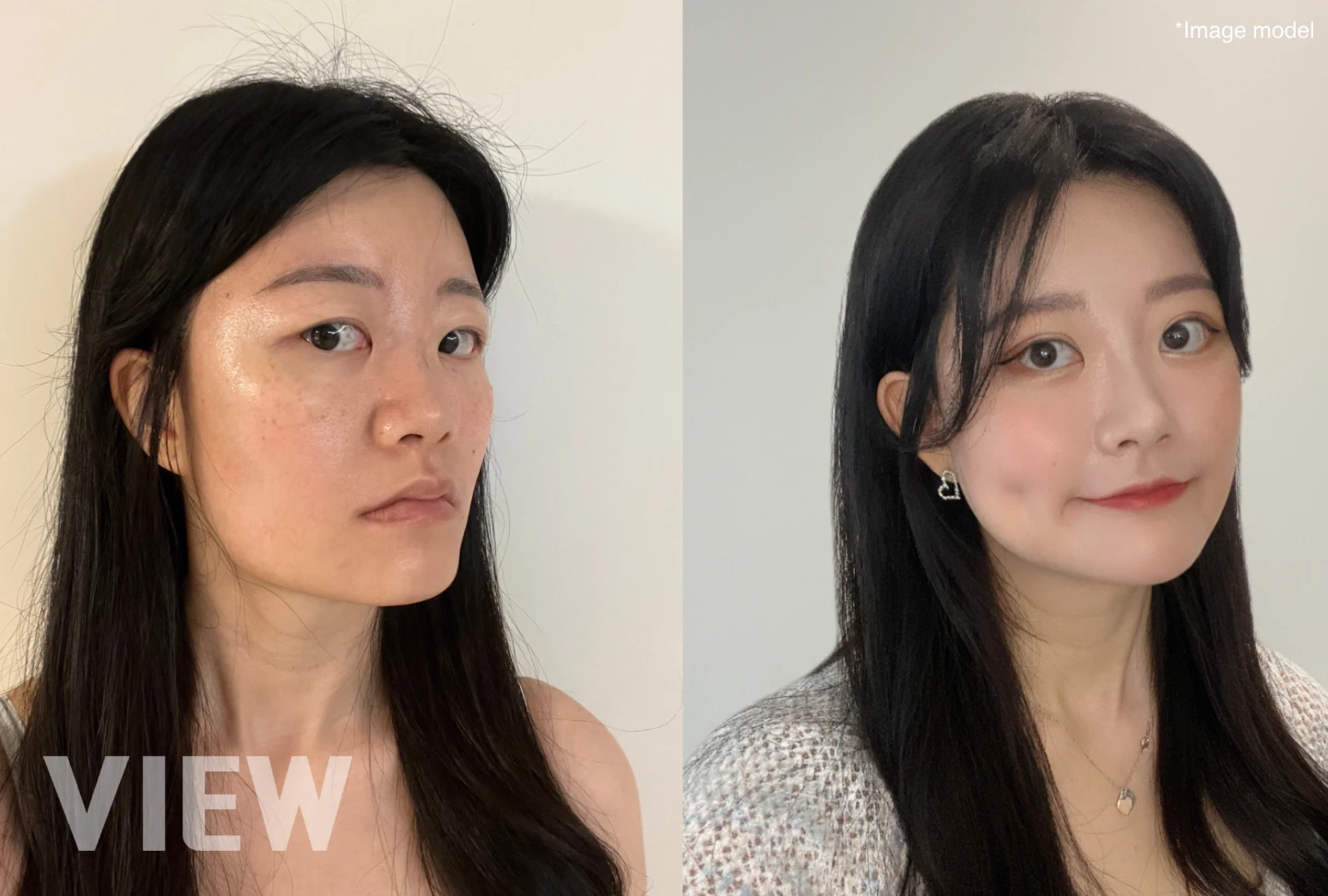
When we talk about the ideal facial shape in modern aesthetics, the concept of the “V-line” often takes center stage. However, achieving a harmonious facial contour is not merely about slimming the face; it is about architectural balance. Among the various procedures available, Square Jaw Surgery is frequently considered the foundational step in full facial contouring. Why is the mandibular angle so critical to the overall impression, and how does it interact with other features like the chin and cheekbones?
At View Plastic Surgery, we believe that successful outcomes stem from precise diagnosis and a deep understanding of facial anatomy. In this comprehensive guide, we explore why correcting the square jaw is often the prerequisite for a balanced, sophisticated look.
The Aesthetic Impact: Why the Jawline Defines the Impression
The lower third of the face carries significant weight in determining one’s overall image. A wide, angular, or “square” jawline often projects an image of strength, stubbornness, or masculinity. While these can be attractive traits, many patients seek a softer, more refined, and feminine appearance associated with a smooth V-line.
The Square Jaw Reduction procedure addresses the lateral width of the face. When the mandibular angle (the bone under the ear) is nearly 90 degrees or protrudes outward, it disrupts the flow of the facial line from the temple to the chin. By softening this angle, the neck appears longer, the face smaller, and the overall impression shifts from “strong” to “sophisticated.”
Diagnosis: Muscle vs. Bone – A Crucial Distinction
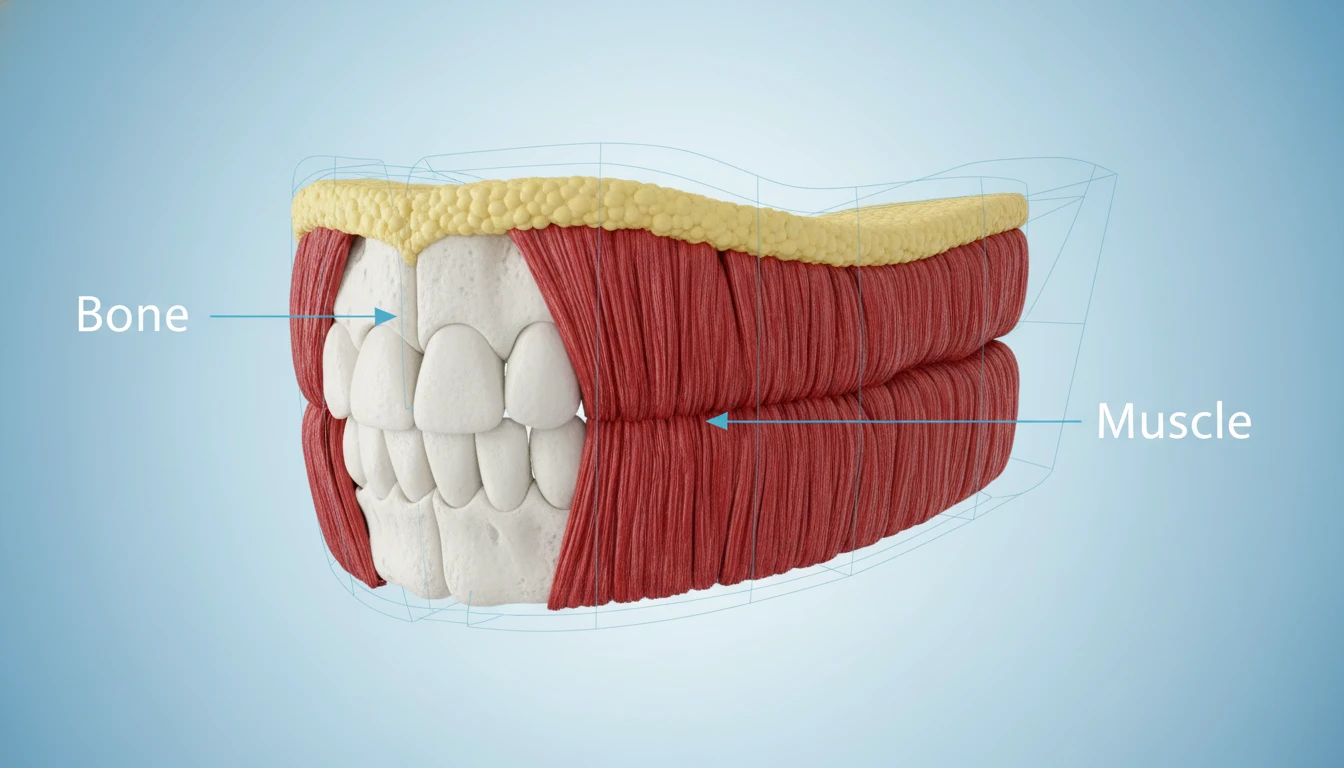
Not all square jaws are created equal. One of the most common misconceptions is that a wide jaw is always skeletal. In reality, the width of the lower face is determined by three factors: the mandibular bone, the masseter muscle, and subcutaneous fat. Distinguishing between these is the first step in creating a treatment plan.
| Type | Cause | Recommended Solution | Permanence |
|---|---|---|---|
| Muscular Type | Overdeveloped masseter muscles (often due to chewing habits or bruxism). | Botox / Muscle Reduction Injection | Temporary (Requires maintenance every 4-6 months). |
| Skeletal Type | Prominent mandibular angle bone or wide cortical bone. | Square Jaw Surgery (Long-curved Osteotomy + Cortical Bone Resection). | Permanent. |
| Mixed Type | Both enlarged bone and thick muscle layer. | Surgery + High-frequency Muscle Reduction. | Permanent + Long-lasting. |
For those with a true skeletal square jaw, non-surgical methods are insufficient. No amount of weight loss or Botox can alter the shape of the bone. This is where surgical intervention becomes necessary to fundamentally change the facial framework.
The Korean Standard: Precision via 3D-CT
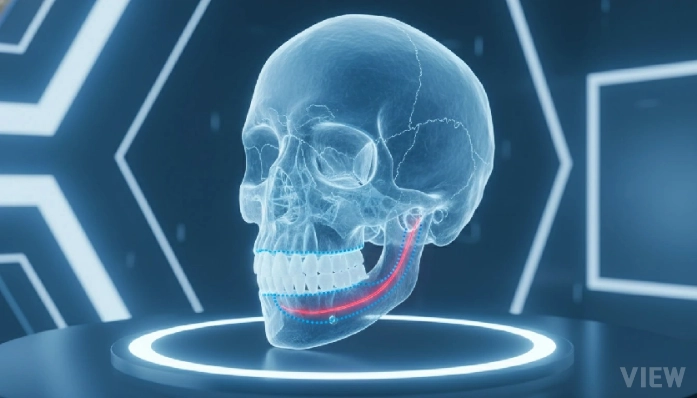
Korean plastic surgery is renowned globally not just for aesthetics, but for safety protocols involving advanced imaging. At View Plastic Surgery, Facial Contouring begins with a rigorous 3D-CT analysis.
The jawbone is not merely a structure to be shaved down; it houses the inferior alveolar nerve, a critical sensory nerve running through the mandible. Damaging this nerve can result in permanent numbness. Using 3D-CT, our surgeons map the exact path of the nerve canal (the “safe zone”) to determine the maximum amount of bone that can be resected without risk.
Techniques Used:
- Long-Curved Ostectomy: Instead of a straight cut which can create a secondary angle, a smooth, curved cut is made from below the ear extending toward the chin.
- Cortical Bone Resection: The jaw bone consists of three layers. By removing the outermost layer (the cortex), we reduce the actual frontal width of the face, not just the side profile.
Minimizing Pain, Maximizing Effect: Post-Op Care
One of the biggest fears patients have regarding Facial Contouring is the recovery process. While bone surgery sounds daunting, the pain is often reported as less severe than soft tissue surgeries (like liposuction) because bones have fewer pain receptors than skin.
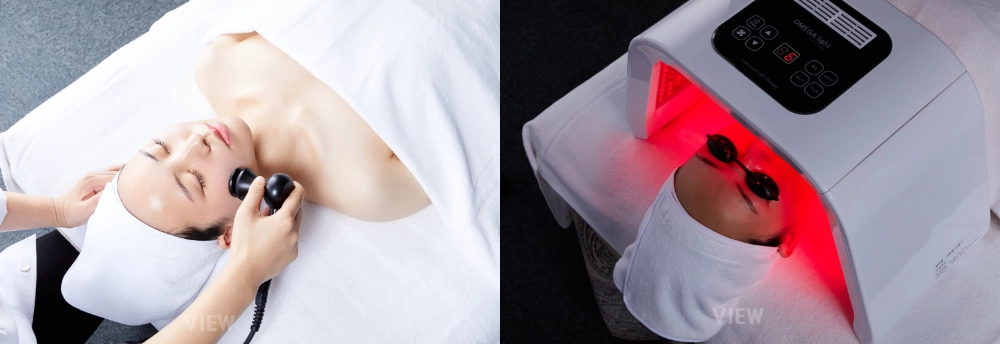
However, swelling is the primary challenge. View Plastic Surgery employs a specialized Deswelling Management System. This includes high-frequency laser treatments and customized lymphatic drainage protocols to accelerate healing. Our goal is to ensure you can return to your daily routine as quickly as possible, usually within 1 to 2 weeks for major social interactions.
Beyond the Jaw: The Next Steps in Contouring

Why do we say square jaw surgery is often just the beginning? Because the face is a connected landscape. Reducing the jaw width often reveals other imbalances that need addressing to achieve the perfect “Golden Ratio.”
Completing the V-Line: Genioplasty
If you reduce the square jaw but leave a wide or short chin, the face may look unbalanced or blunt (U-shape rather than V-shape). Genioplasty (Chin Surgery) adjusts the tip of the chin—advancing it, reducing it, or narrowing it—to align perfectly with the newly slimmed jawline.
Balancing Width: Zygoma Reduction
A slim jawline can sometimes make protruding cheekbones appear even more prominent by contrast. If your midface is wide, Cheekbone Reduction (Zygoma) works in tandem with jaw surgery to create a smooth, continuous line from the temple down to the chin.
Planning Your Surgery: Recovery & Timeline
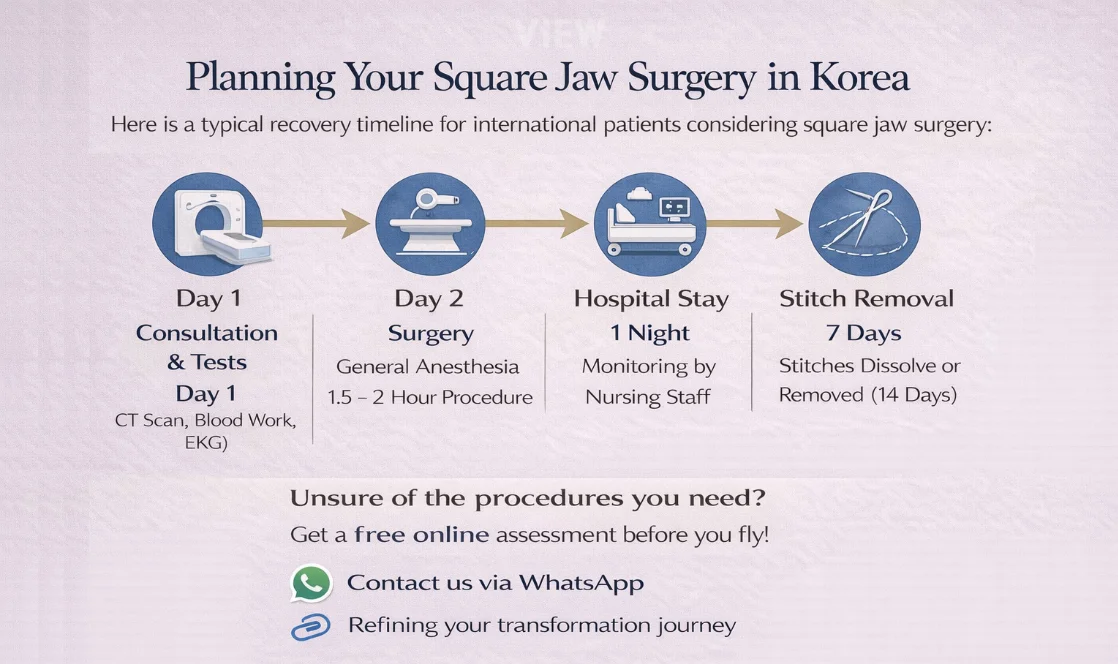
For international patients traveling to Korea, planning the itinerary is crucial. Here is a typical timeline for Square Jaw Surgery:
- Consultation & Tests: Day 1 (CT scan, blood work, EKG).
- Surgery: Day 2 (General Anesthesia, approx. 1.5 – 2 hours).
- Hospital Stay: 1 Night (monitored by nursing staff).
- Stitch Removal: 7 days (intraoral stitches dissolve or are removed at 14 days).
- Recommended Stay: Minimum 7–10 days in Korea.
If you are unsure which procedures you need, our team offers online assessments before you fly. Contact us via WhatsApp or visit our Consultation Page to start your transformation journey.