


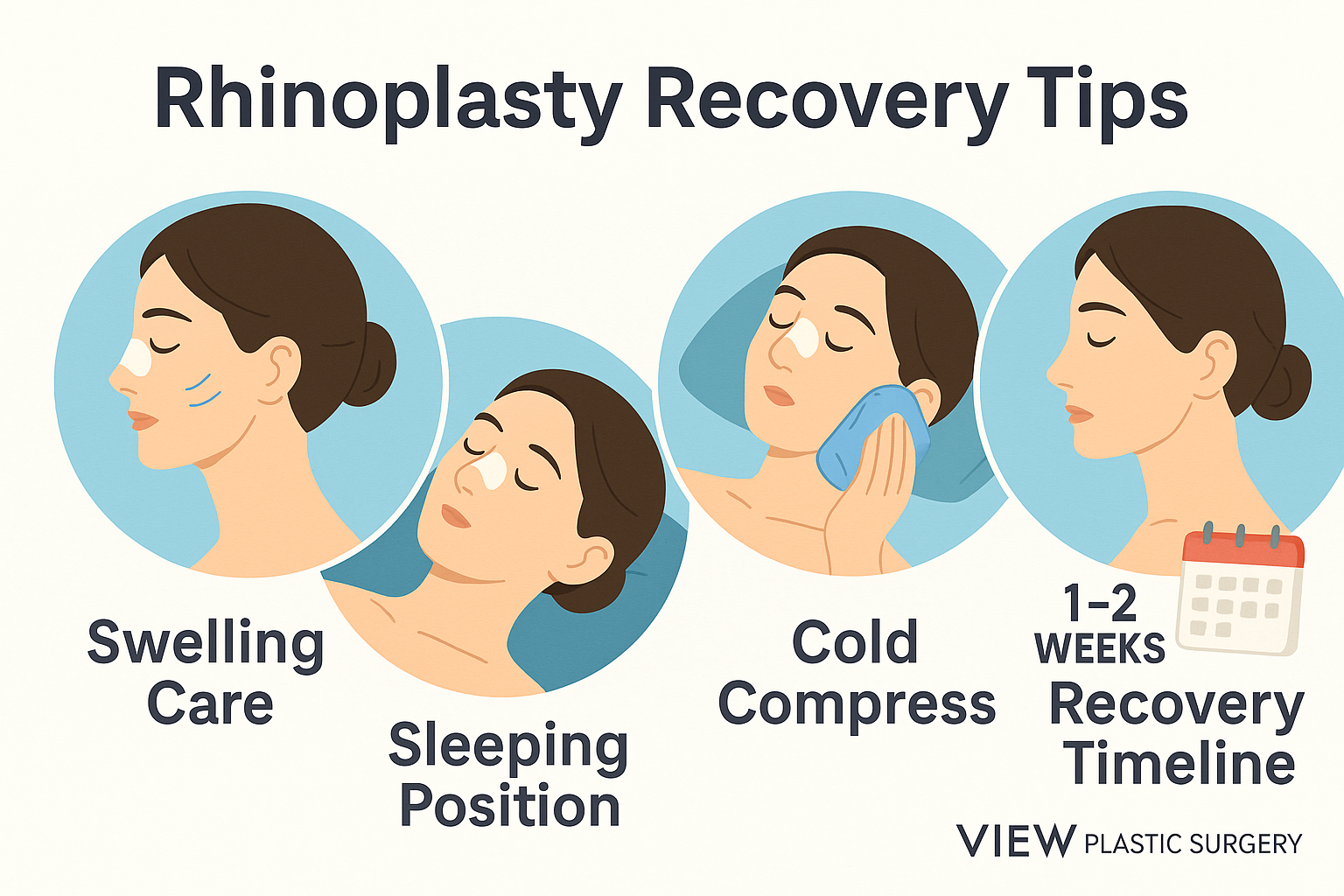
Introduction: Why Rhinoplasty Recovery Matters
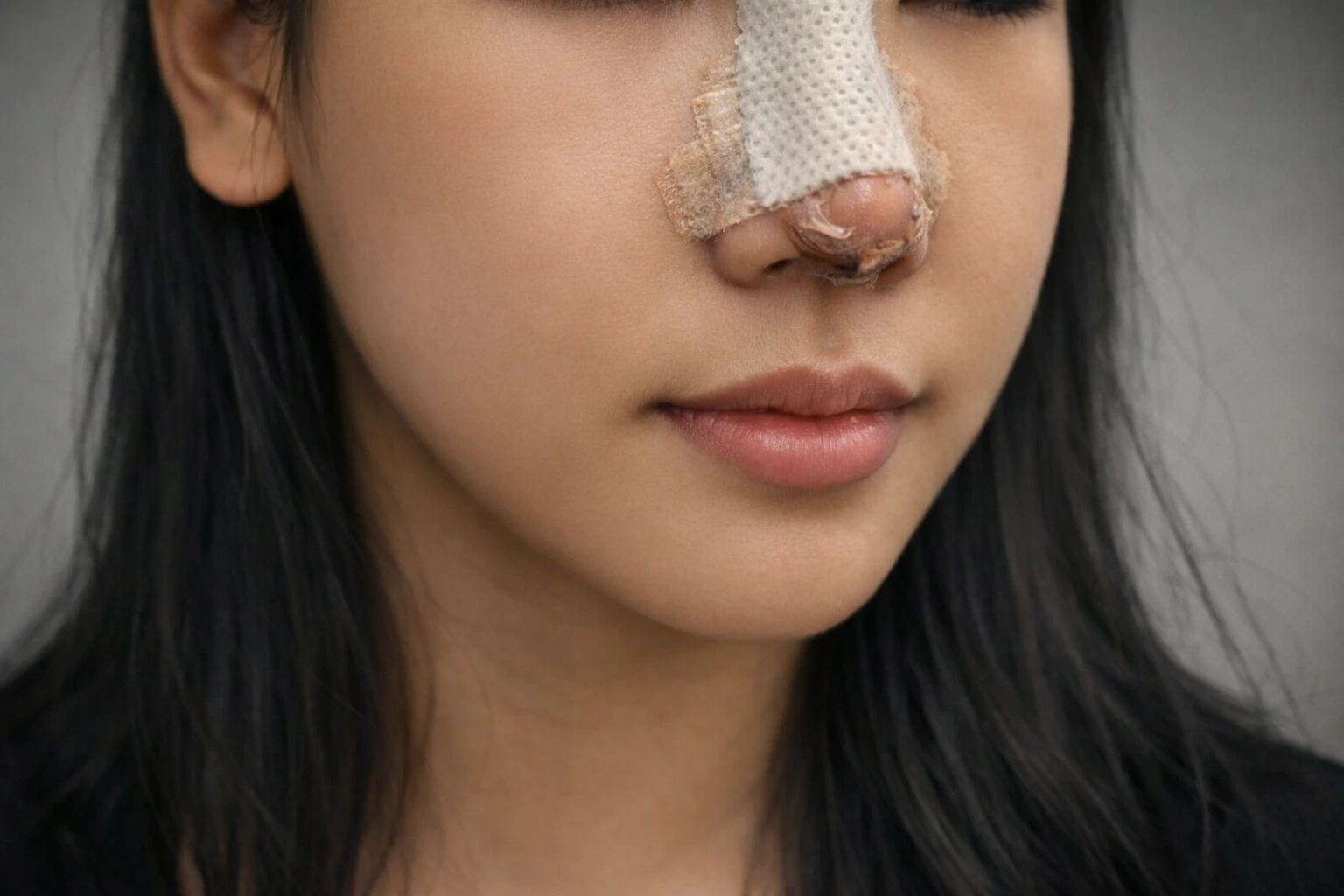
Rhinoplasty, or a nose job, is a precision surgery that reshapes bone, cartilage, and soft tissue to improve both appearance and function. The postoperative period is as critical as the operation itself. Even a perfectly executed surgery can be compromised by poor recovery habits, excess swelling, or accidental pressure.
The nose is a small structure with delicate blood supply. It responds strongly to inflammation, gravity, and touch. Structured aftercare protects grafts, supports soft-tissue redraping, and guides the final contour as swelling resolves. Recovery is not passive. It is an active phase that completes the surgery.
At View Plastic Surgery, we provide tailored protocols for each patient to minimize swelling, preserve symmetry, and safeguard airway function. Understanding the healing milestones helps you protect your result and achieve a natural, stable outcome.
Nose Job Recovery Timeline in Korea: Week 1 (Days 1–7)
The first seven days of rhinoplasty recovery in Korea are the most sensitive. Internal support structures and external skin are adjusting to a new framework. Swelling peaks in the first 48 hours and then gradually declines. Most patients wear a nasal splint or cast for 5–7 days to stabilize the bridge and protect internal sutures and grafts.
Focus on edema control and pressure avoidance:
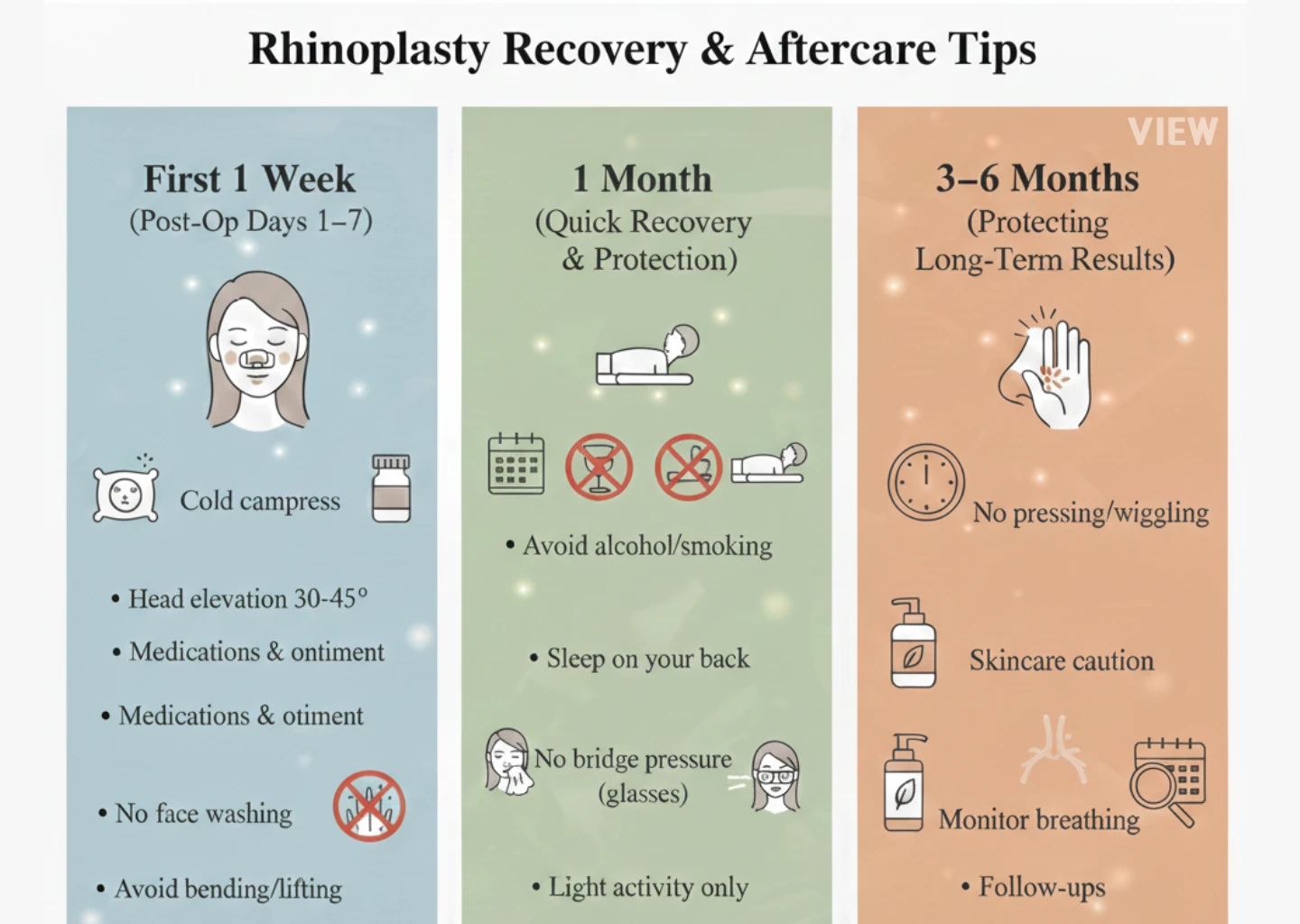
- Cold compress: Apply cool compresses to the cheeks and periorbital area (not directly on the nose) for the first 72 hours to reduce bruising and swelling.
- Head elevation: Sleep with your head elevated 30–45° for at least one week. Gravity assists fluid drainage and limits internal congestion.
- Medications and ointment: Take all prescribed medications as directed. Apply ointment gently along incision lines using clean cotton swabs.
- No direct face washing: Do not splash water on the nose or remove tapes until cleared. Use wipes or a damp cloth to clean the surrounding areas.
Avoid bending forward, heavy lifting, or forceful facial expressions that increase intranasal pressure. Expect your first follow-up at 5–7 days for splint and suture removal. Early improvements in swelling become noticeable at this visit.
Rhinoplasty Recovery Timeline: Changes During the First Month
By weeks 2–4, most visible bruising has faded and swelling has decreased significantly. Internally, scar tissue is maturing and cartilage is stabilizing. This phase emphasizes protection of the new shape while resuming daily life.
- Avoid alcohol and smoking: Both slow microcirculation and can prolong swelling. Refrain for at least one month.
- Sleep on your back: Side or stomach sleeping can distort soft tissues. Keep your head slightly elevated.
- No nose blowing or picking: Use saline sprays for dryness and dab gently rather than rubbing.
- No bridge pressure: Avoid glasses or sunglasses resting on the nasal bridge for 4–6 weeks unless you use support taping or alternatives. Prefer contact lenses temporarily.
- Light activity only: Gentle walking is encouraged. Delay high-intensity exercise, saunas, and swimming for at least 4 weeks.
Many patients return to work or social activities by 10–14 days, but continued attention to pressure and hygiene is essential. Temporary numbness or stiffness around the nasal tip and upper lip is common and improves as nerves recover.
Long-Term Rhinoplasty Recovery: What Happens at 3–6 Months
At 3 months, the nose often looks close to its final form, but internal stabilization continues. The nasal tip refines as residual edema resolves. Gentle care prevents subtle shifts and preserves symmetry.
- No pressing, pinching, or wiggling: Avoid manipulation unless your surgeon instructs otherwise. Allow natural remodeling to complete.
- Skincare caution: Avoid aggressive scrubs, pore-extraction, or deep facials on the nose for at least 3 months. Choose mild, non-comedogenic products.
- Monitor breathing and sensation: Mild congestion or tip numbness can persist and gradually improves. Report persistent obstruction, discharge, or pain.
- Follow-ups: Attend scheduled checks to review graft stability and scar maturation. Adjunct therapies may be used to optimize microcirculation and edema control.
By 6 months, most patients have stable contours. Full maturation may extend to 12 months depending on skin thickness and individual healing. Consistent sun protection and careful skincare help the final definition emerge cleanly.
What Affects Rhinoplasty Recovery Speed?
Flying Home Safely After Rhinoplasty
- The Best Time to Fly: Most surgeons recommend flying at least 7 to 10 days after your procedure. By this time, the internal splints are removed, and the initial acute swelling has subsided, making the pressure changes during takeoff and landing more manageable.
- Manage Sinus Pressure: Cabin pressure can cause temporary congestion or a “clogged” feeling in your nose. Use a saline nasal spray every 2 hours during the flight to keep your nasal passages hydrated and prevent crusting.
- Keep Your Head Elevated: Even on a plane, try to stay upright. Use a neck pillow to prevent your head from tilting forward or to the side, which helps minimize post-flight swelling.
- Stay Hydrated & Avoid Salt: In-flight meals are often high in sodium, which can cause sudden “rebound swelling.” Opt for water over juice or alcohol, and stick to light snacks.
- Documentation: Before heading to the airport, ensure you have your Medical Certificate (Fit-to-Fly) and your VAT Refund documents provided by View Plastic Surgery.
Conclusion: Expert Tips for Long-Term Care
Recovery is an extension of the operation. The final nose shape depends on both surgical design and disciplined aftercare. Protect your nose from pressure, manage swelling proactively, and maintain clean follow-up communication.
At View Plastic Surgery, internal healing is tracked for 6–12 months to ensure that structure, function, and aesthetics settle as planned. Early reporting of issues, consistent sleep posture, and careful activity management keep results natural and long-lasting.
FAQs: Rhinoplasty in Korea
How long should I stay in Korea after rhinoplasty?
When can I wear glasses again after rhinoplasty?
How long does swelling last?
Can I wash my face after surgery?
When can I exercise?
Is nasal congestion normal?
Can rhinoplasty be combined with other procedures?
When will I see the final result?
How can I maintain results long-term?
Related Keywords
rhinoplasty Korea, rhinoplasty recovery tips, Korean nose job aftercare, nose surgery swelling management, rhinoplasty results timeline, nose surgery Korea clinic, post rhinoplasty care, natural nose job Korea