


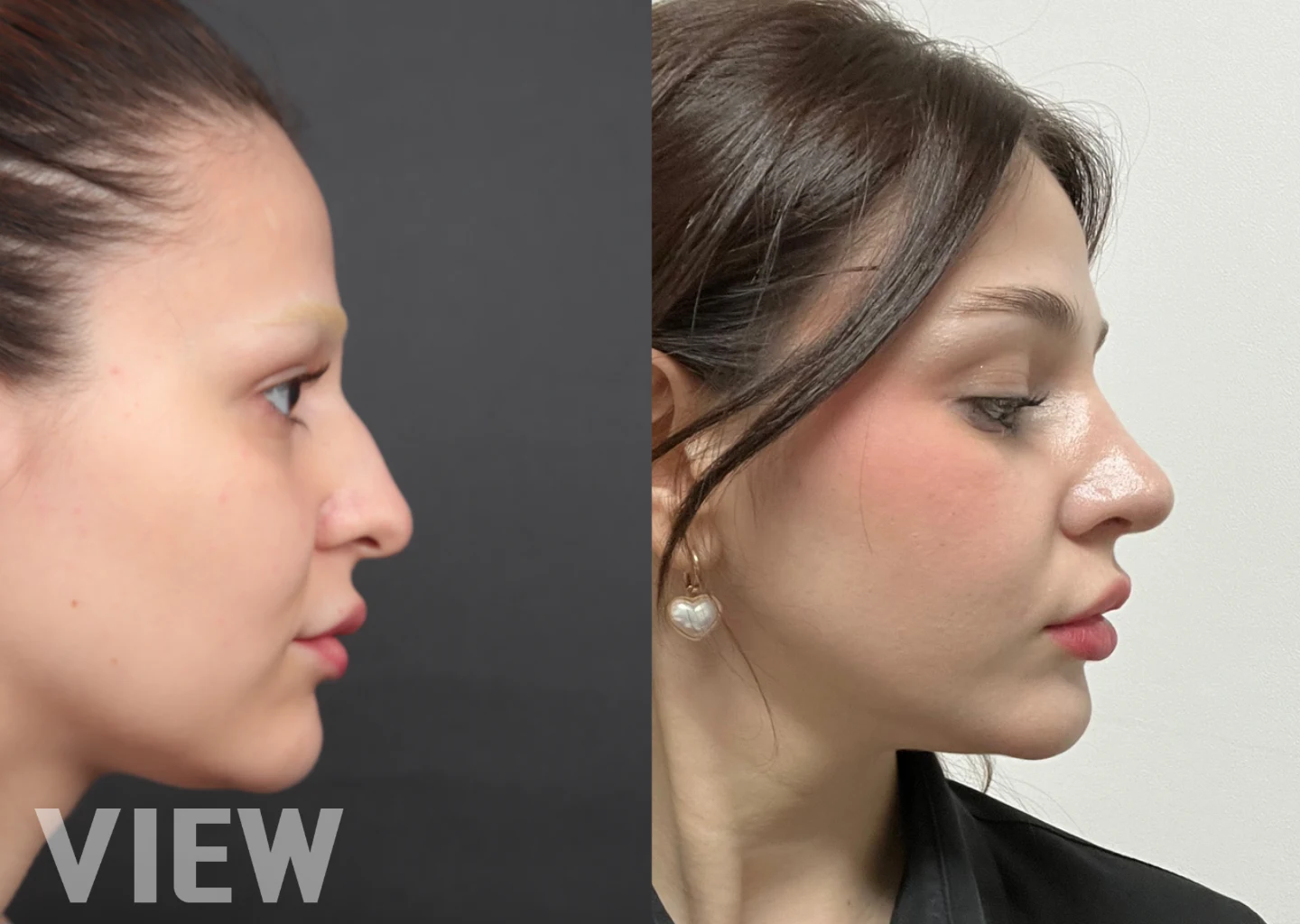
When considering facial enhancement, few procedures hold as much transformative power as rhinoplasty. As the central feature of the face, the nose dictates the balance and harmony of your profile. For international patients looking toward South Korea, the phrase Rhinoplasty Before and After in Seoul represents more than just photos; it represents a journey of precision, artistry, and medical excellence. At View Plastic Surgery, we believe that the most successful outcomes are born from a blend of world-class surgical technique and a patient’s clear, grounded understanding of the process.
This comprehensive guide delves deep into the medical and aesthetic realities of rhinoplasty. We will explore the healing timeline, analyze specific case studies common in Asian rhinoplasty, and discuss how we bridge the gap between your dream profile and surgical possibilities through our personalized consultation process.
Visualizing Your Ideal Profile: The Science of Aesthetics
The concept of an “ideal” nose is not universal; it is deeply personal and ethnically distinct. In Seoul, the approach to rhinoplasty has evolved from simple augmentation to complex structural contouring. Visualizing your ideal profile requires an understanding of facial ratios, specifically the Golden Ratio and the relationship between the nose, forehead, and chin.
The Role of 3D CT Analysis
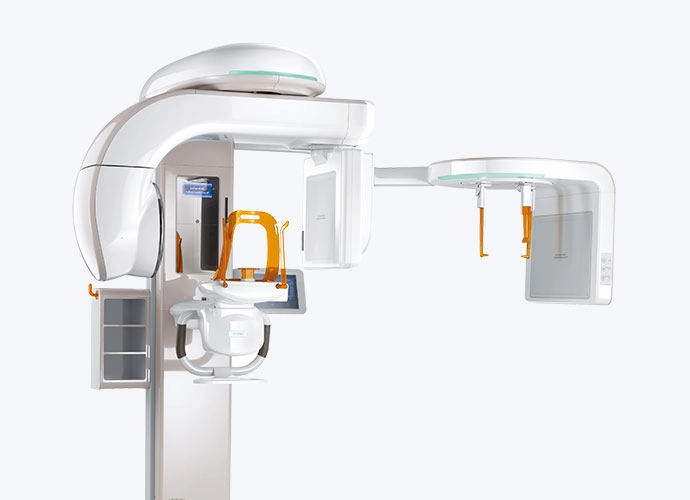
Before any incision is made, understanding the underlying structure is paramount. Unlike 2D photography, 3D CT scans allow surgeons to visualize the nasal septum, turbinates, and bone thickness. This technology is crucial for predicting realistic Rhinoplasty Before and After in Seoul results because it highlights structural limitations that are invisible to the naked eye, such as a deviated septum or varying skin thickness.
Managing Realistic Expectations: What Surgery Can and Cannot Do
One of the most critical steps in your journey is aligning your desires with surgical realities. While modern techniques at View Plastic Surgery can achieve remarkable changes, ethical medical practice requires transparency about limitations.
| What Rhinoplasty CAN Do | What Rhinoplasty CANNOT Do |
|---|---|
| Straighten the Bridge: Correct dorsal humps or deviations for a linear profile. | Change Skin Texture: Surgery cannot alter pore size, oiliness, or the fundamental thickness of the skin envelope perfectly. |
| Refine the Tip: Sharpen a bulbous tip or rotate a drooping tip (lifting). | Replicate a Celebrity Nose Exactly: Your bone structure and skin elasticity may not support someone else’s nose shape. |
| Improve Function: Correct breathing issues caused by structural deviations. | Instant Healing: Results are never immediate; the nose is one of the slowest organs to shed swelling. |
Having Realistic Rhinoplasty Expectations is the foundation of patient satisfaction. Patients with thick skin, for example, may not achieve the same level of tip definition as patients with thinner skin, regardless of the surgeon’s skill. Our extensive gallery of rhinoplasty cases helps illustrate how different anatomies respond to surgery.
The Healing Timeline: When Will You See the Final "After" Results?
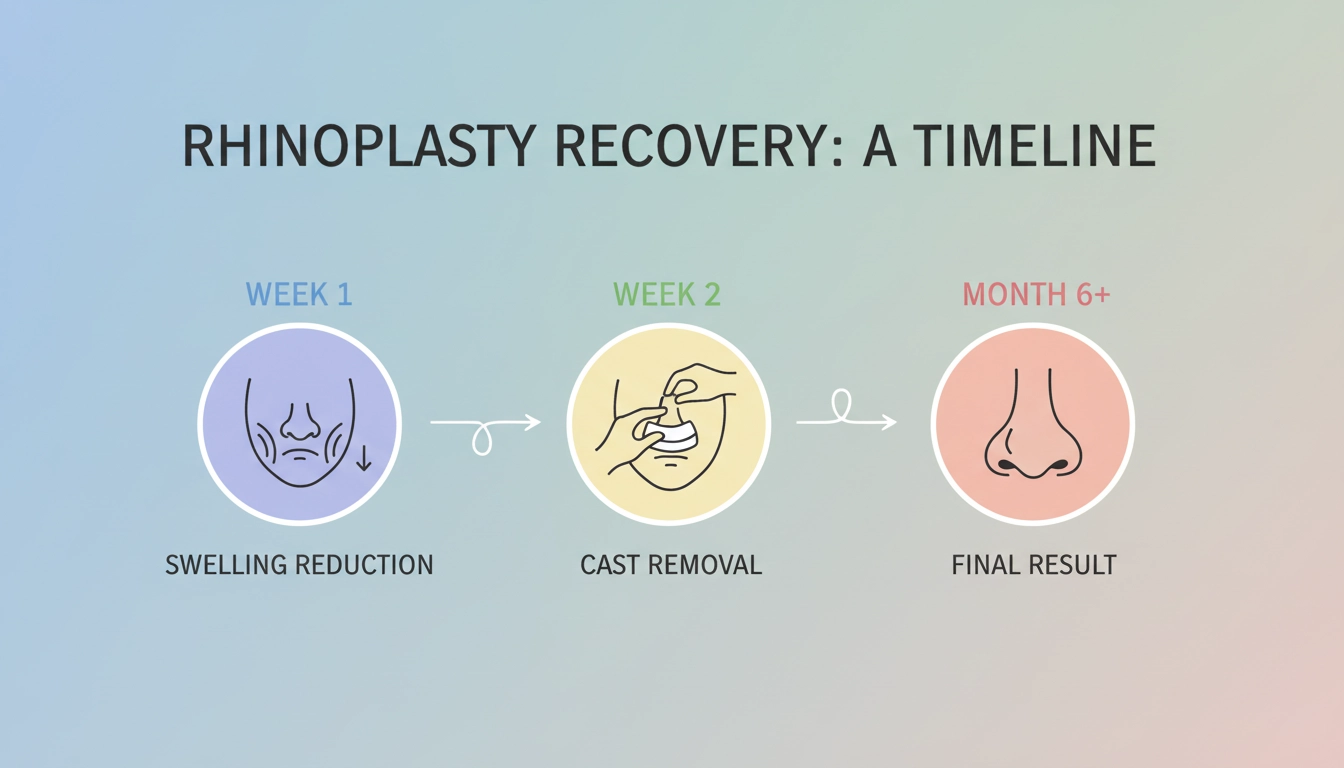
The Rhinoplasty Recovery Timeline is a test of patience. Many patients panic during the first week due to swelling, but this is a natural physiological response. Understanding the phases of healing is essential for mental preparation.
Phase 1: The Acute Phase (Day 0–7)
Immediately after surgery, a splint or cast is applied to protect the new structure. Swelling and bruising are at their peak around Day 3. You will likely breathe through your mouth due to internal packing or swelling. At View Plastic Surgery, our specialized after-care system includes deswelling treatments to accelerate this phase.
Phase 2: Social Recovery (Week 2–4)
Once the cast is removed (usually day 7), the “obvious” signs of surgery fade. Major bruising subsides, and makeup can conceal residual discoloration. However, the nose will still look “puffy,” especially the tip. This is not the final shape.
Phase 3: Deep Healing (Month 1–6)
This is the period of refinement. The bridge defines first, followed slowly by the tip. As lymphatic drainage normalizes, the fine details of the cartilage work begin to show.
Phase 4: The Final Result (Year 1+)
It can take up to a full year (or longer for thick-skinned patients) for the final Rhinoplasty Before and After in Seoul result to settle. The tip becomes softer and more defined as the skin envelope shrinks wraps around the new framework.
Case Studies: Ethnic Rhinoplasty and Customized Contouring in Seoul
Seoul is the global hub for Asian rhinoplasty because of the specific techniques developed to address common characteristics such as low bridges, bulbous tips, and short noses. Below, we analyze specific case types. For a detailed guide on surgical techniques tailored to different nose types, please visit the Customized Rhinoplasty page at View Plastic Surgery.
Low Nose (Flat Bridge) Augmentation
Korean Term: See ‘Nat-eun Ko’ (Low Nose)
The Challenge: A lack of dorsal height creates a flat profile and can make the eyes appear further apart.
The Solution: Bridge augmentation using silicone implants or autologous materials (like dermis or rib cartilage) combined with tip plasty. The goal is to raise the bridge to create a defined T-zone without looking artificial.
Bulbous Nose Correction
The Challenge: The tip is rounded, wide, and fleshy, often lacking definition due to thick skin or weak alar cartilages.
The Solution: This requires a multi-step approach: removing excess soft tissue (defatting), suturing the tip cartilages to narrow them, and often using a cartilage graft (ear or septal) to project the tip, stretching the skin for a refined look. Learn more about our approach to comprehensive nose surgery here.
Hump Nose Correction
The Challenge: A dorsal hump (bump on the bridge) creates a masculine or harsh appearance.
The Solution: If the hump is small, rasping (shaving) is sufficient. For larger humps, an osteotomy (controlled bone fracture) is performed to remove the excess bone and narrow the nasal base. This is often combined with tip rotation to prevent a “hooked” look.
Short Nose / Upturned Nose
The Challenge: The nose is short, and the nostrils are overly visible from the front (piggy nose). This is one of the most difficult rhinoplasties.
The Solution: Septal extension grafts are essential here. The surgeon uses strong cartilage (often septal or rib) to physically lengthen the structural framework of the nose, pushing the tip downward and forward.
Long / Arrow Nose
The Challenge: The tip droops downward, especially when smiling, causing an aged appearance.
The Solution: The Depressor Septi Nasi muscle (which pulls the nose down) may be cut or weakened. The tip cartilages are rotated upward, and the septum is trimmed to lift the nasal angle.
Deviated Nose
The Challenge: The nose is crooked due to injury or congenital defects, often causing breathing problems.
The Solution: This is a functional and aesthetic surgery. Safety and precision are key as osteotomy is used to realign the nasal bones, and septoplasty corrects the inner breathing passage.
Critical Factors That Influence Your Rhinoplasty Before and After Results
While the surgeon’s technical skill is paramount, the biological “canvas” of the patient plays a massive role in the final aesthetic outcome. Understanding these variables is key to setting realistic expectations for your transformation in Seoul.
Skin Thickness and Texture (The Envelope)
The thickness of your nasal skin significantly dictates how much of the underlying structural changes will be visible to the naked eye.
- Thick Skin (Sebaceous Skin): Patients with thicker skin have the advantage of hiding minor irregularities or edges of implants/grafts. However, thick skin is less pliable and often resists fine refinement, meaning the “after” result may appear softer or less defined than desired.
- Thin Skin: Thin skin allows every detail of the newly sculpted framework to show through, which is excellent for achieving a sharp, chiseled tip. The downside is that thin skin offers very little camouflage, meaning any slight imperfection or the outline of a graft can become visible over time.
Cartilage Strength and Availability (The Framework)
The internal support system of your nose is the foundation of the entire surgery.
- Structural Integrity: If the natural septal or alar cartilage is weak or thin, it may not be able to support a new, higher bridge or a more projected tip long-term.
- Reinforcement Strategies: In cases of weak cartilage, surgeons often need to reinforce the structure using rib grafts (autologous or donated) or ear cartilage. The choice of material influences the long-term stability and the “firmness” of the nose in your before and after results.
Surgical History and Scar Tissue (The Revision Factor)
Whether this is your first surgery (Primary) or a corrective one (Revision) drastically changes the surgical landscape.
- The Complexity of Revision: Revision surgeries are significantly more complex due to the presence of scar tissue (fibrosis). Scar tissue is less predictable during healing and can contract in ways that alter the final shape.
- Depleted Resources: Previous surgeries often leave the patient with depleted septal cartilage, necessitating the use of alternative grafting materials to reconstruct a collapsed or damaged nasal bridge.
Post-Operative Compliance and Healing Ability
Finally, how your body heals and how strictly you follow aftercare protocols will influence the final result.
- Individual Healing Response: Factors such as smoking, age, and even chronic medical conditions can affect blood flow to the nasal tissues, which in turn affects how well the skin “redrapes” over the new structure.
- Downtime Management: Adhering to the recovery timeline—such as avoiding strenuous exercise and protecting the nose from impact—is essential to prevent shifts in the newly placed grafts.
Why Your Surgeon’s Expertise is the Key to Success
Achieving the best Rhinoplasty Before and After in Seoul results requires a surgeon who understands not just the mechanics of the nose, but the artistry of the face. At View Plastic Surgery, our surgeons specialize in creating results that look harmonious with your unique features, avoiding the “operated look.”
From our rigorous preoperative analysis to our dedication to patient safety, we are committed to helping you navigate the journey to your ideal self. If you are ready to discuss your specific case, or if you have questions about travel and recovery, please contact us directly on WhatsApp for a fast response.