


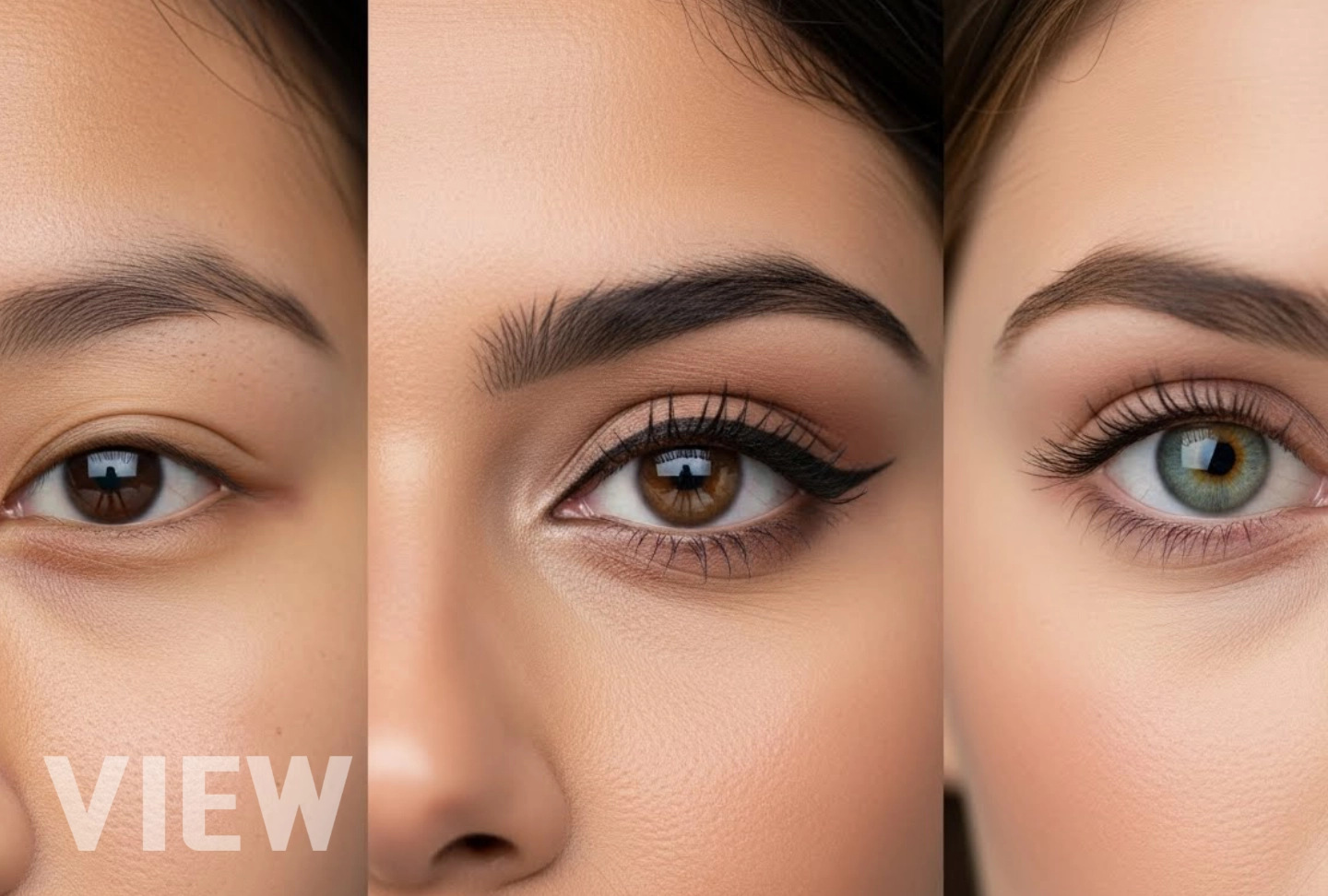
How Eye Structure by Ethnicity Influences Double Eyelid Surgery Outcomes
Thai/SEA Eye Structure & Preferred Eyelid Lines
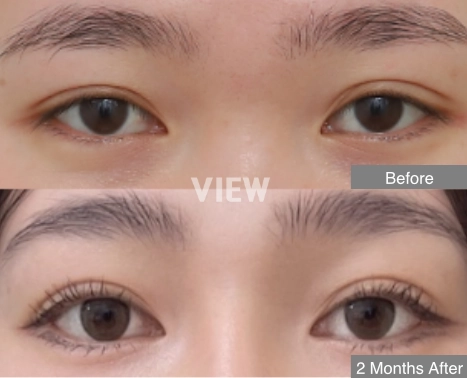
Thai/SEA patients share similarities with East Asian eyelids but typically have thicker skin, more fat, and a higher incidence of ptosis. As a result, Incisional Method + Ptosis Correction is more frequently required than Non-incisional alone, and combining with epicanthoplasty often enhances the result.
Structural Characteristics
Thai/SEA eyelids generally feature thick skin and abundant fat, which can cause the crease to weaken or become buried.
They also commonly present with:
- Monolids or faint creases
- Prominent epicanthal folds, making medial epicanthoplasty highly effective
- Short brow–lid distance and higher ptosis prevalence, creating a heavy or tired appearance
These factors indicate that stable crease formation typically requires
structural correction with Incisional Method + functional enhancement
rather than simple Non-incisional techniques.
Preferred Eyelid Lines
Most Thai/SEA patients prefer a natural yet defined look. Semi-Out Line is the most commonly chosen design due to its balance of clarity and softness. More recently, trends inspired by Korean celebrities have increased demand for In–Out Line and Out-line styles, which appear sharper.
Common Issues
Due to thick skin, heavy fat, and weaker opening power:
- Creases may collapse or loosen easily
- Eyes may appear sleepy or unclear even after creating a crease
- The eyelid line may become buried, especially later in the day
Recommended Surgical Combinations
The most effective combination for Thai/SEA patients is:
Incisional Method + Ptosis Correction + Medial Epicanthoplasty.
- Incision allows reliable fat/skin adjustment → stable crease formation
- Ptosis correction enhances definition and long-term retention
- Epicanthoplasty opens the inner corner, improving openness and reducing heaviness
- Lateral canthoplasty may be added depending on the eye angle
- Fat removal or repositioning can improve stability for heavy eyelids
Ideal lines: Semi-Out or In–Out Line.
Middle Eastern Eye Structure & Preferred Eyelid Lines
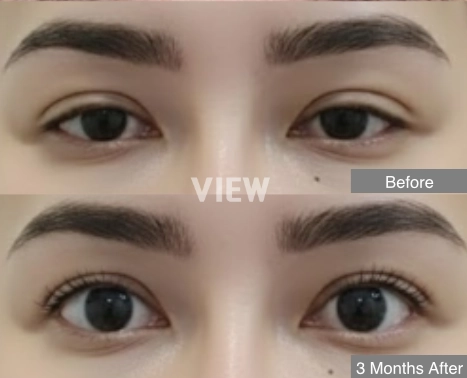
Middle Eastern patients generally have naturally deep, defined eyelids, but asymmetry in the crease is common. Even small adjustments can significantly change the impression, requiring highly precise design.
Structural Characteristics
Middle Eastern eyes characteristically have:
- Strong bony structure and deep-set eyes
- Naturally prominent crease
- Moderate fat, reducing the “buried crease” issue seen in East/Southeast Asia
- Frequent crease asymmetry
- Minimal or absent epicanthal folds
Because the inner corner is already open, medial epicanthoplasty is rarely needed.
Preferred Eyelid Lines
This group often prefers strong, defined eyelid lines that match their naturally deep eye structure.
- Out-line suits the bone structure and gives a striking look
- Semi-Out Line softens intensity while maintaining depth
Common Issues
- Deep but irregular or uneven creases
- Noticeable left–right asymmetry
- Occasionally a tired look due to structural heaviness despite having strong creases
Recommended Surgical Combinations
Rather than creating an entirely new crease, Middle Eastern patients benefit most from
Incisional Method focused on reshaping or refining the existing crease.
- Medial epicanthoplasty is generally unnecessary
- Ptosis correction is performed selectively only when functionally required
Ideal crease height: 7–8 mm moderate-width crease.
Western Eye Structure & Preferred Eyelid Lines
Western patients typically have naturally deep creases. Therefore, concerns focus less on crease creation and more on aging, hollowing, and eyelid drooping. This makes the surgical approach significantly different from typical Asian-style double eyelid surgery.
Structural Characteristics
- Deep crease due to pronounced bone structure
- Low fat volume → higher risk of hollow upper eyelids
- Thin skin, leading to earlier wrinkles and drooping
- No epicanthal fold → medial epicanthoplasty is unnecessary
Preferred Eyelid Lines
Western patients prefer to maintain their natural deep crease, enhancing clarity rather than altering the line. The goal is preservation + refinement, not redesign.
- A refined, naturally contoured crease
- Moderate height that follows facial structure
- Retaining original anatomical features rather than creating an Asian-style design
Common Issues
- Creases becoming blurry or irregular due to aging
- Hollow upper eyelids from fat loss
- Drooping upper eyelid skin that covers the crease
These issues cannot be solved by crease redesign alone; they require structural correction.
Recommended Surgical Combinations
The most common and effective approach is:
Upper Blepharoplasty (Skin Excision) + Fat Repositioning.
- Corrects drooping eyelid skin
- Addresses hollowness
- Restores a youthful, natural contour
When necessary, a brow lift may be added to improve brow–lid distance and correct sagging.
Creating a new crease is rarely required.
Summary of Recommended Surgical Approaches by Ethnicity
| Ethnicity | Key Structural Traits | Ideal Line Style | Recommended Combination |
|---|---|---|---|
|
Thai/SEA
|
Thick skin, heavy fat, strong epicanthal fold, frequent ptosis
|
Semi-Out / In–Out Line
|
Incisional Method + Ptosis Correction + Medial Epicanthoplasty + Fat Adjustment
|
|
Middle Eastern
|
Deep-set eyes, moderate fat, common asymmetry, no epicanthal fold
|
Out-line / Semi-Out Line
|
Incisional Method + Crease Refinement (minimal epicanthoplasty)
|
|
Western
|
Deep crease, low fat, skin drooping, hollowing
|
Maintain natural crease
|
Upper Blepharoplasty + Fat Repositioning
|
FAQ
Why is Incisional Method + Ptosis Correction common for Thai/SEA patients?
Why is medial epicanthoplasty rarely needed for Middle Eastern patients?
Why do Western patients undergo upper blepharoplasty more often than crease creation?
Do ethnic preferences for crease styles actually differ?
Yes. Aesthetic standards and anatomical differences lead to distinct preferences by region.
Can foreign patients achieve a natural Korean-style double eyelid line?
Travel & Recovery Schedule for Overseas Patients
Overseas patients are generally advised to stay at least 7 days in Korea.
This allows
- Swelling to subside
- Stitches removal (Day 5–7)
- Initial recovery assessment
Minimum Stay
7 days is ideal for complete early recovery.
- Surgery
- 48-hour cold compression
- Post-op check
- Stitch removal
- Initial swelling reduction
Leaving earlier than this is not recommended.
Pre-Surgery Precautions
- Stop contact lens use
- No alcohol or smoking 48 hours prior
- Stop blood-thinning supplements
- No heavy eye makeup
- Remove eyelash extensions before surgery
Post-Surgery Care
0–48 Hours
- Cold compress
- Sleep with head elevated
- No rubbing
- No water contact
Day 2–7
- Light cleansing allowed
- Avoid soaking eyes
- No makeup until stitch removal
- Natural reduction of swelling & bruising
Stitch Removal
- Mild swelling/bruising is normal
- Temporary swelling may increase during flight
- Warm compress before flight
- Hydration is essential
Return Flight Timing
Most patients return home after Day 7.
- Mild swelling and bruising are normal.
- Temporary swelling may increase during flight.
- Warm compress before flight.
- Hydration is essential.
By 2–4 weeks, the appearance typically looks natural in daily life.