



Why Revision Rhinoplasty Matters
Rhinoplasty is one of the most complex facial surgeries, blending high-level artistry with intricate structural engineering. While primary rhinoplasty aims to enhance aesthetics and function, outcomes do not always align with expectations. Recent clinical data suggests that revision rates for rhinoplasty can range between 5% and 15% globally, with higher incidences observed in cases involving improper implant selection or inadequate structural support.
For many international patients, a failed nose surgery is not just a cosmetic concern—it is a functional burden. Whether it is a Revision Rhinoplasty to correct a deviated silicone implant or a reconstructive procedure to fix a collapsed nasal valve, understanding the warning signs is the first step toward restoration. South Korea, specifically View Plastic Surgery, has become a global hub for these complex corrections due to an emphasis on “Structural Rhinoplasty”—a technique that prioritizes long-term stability over short-term height.
Understanding Revision Rhinoplasty
Revision rhinoplasty is significantly more challenging than a primary procedure. The surgeon must navigate scar tissue, altered anatomy, and often, a lack of septal cartilage. Unlike the primary surgery which focuses on reshaping virgin tissue, revision surgery involves reconstruction.
| Feature | Primary Rhinoplasty | Revision Rhinoplasty |
|---|---|---|
| Primary Goal | Aesthetic enhancement | Structural restoration + Aesthetic correction |
| Tissue Used | Septal/Ear cartilage, Silicone | Rib cartilage (Autologous/Donated), Dermis |
| Surgical Time | 1.5 – 2.5 Hours | 3 – 5 Hours |
Warning Sign #1: Persistent Breathing Issues

One of the most overlooked signs of a failed rhinoplasty is functional obstruction. If you experience chronic congestion, whistling sounds, or a feeling of blockage that persists months after swelling subsides, you may be suffering from Internal Nasal Valve Collapse or a residual deviated septum. In aesthetic-focused surgeries, the structural integrity of the airways can sometimes be compromised to achieve a narrower look. A 3D CT revision analysis is crucial here to visualize the internal narrowing.
Warning Sign #2: Visible Implant Edges or Ridges
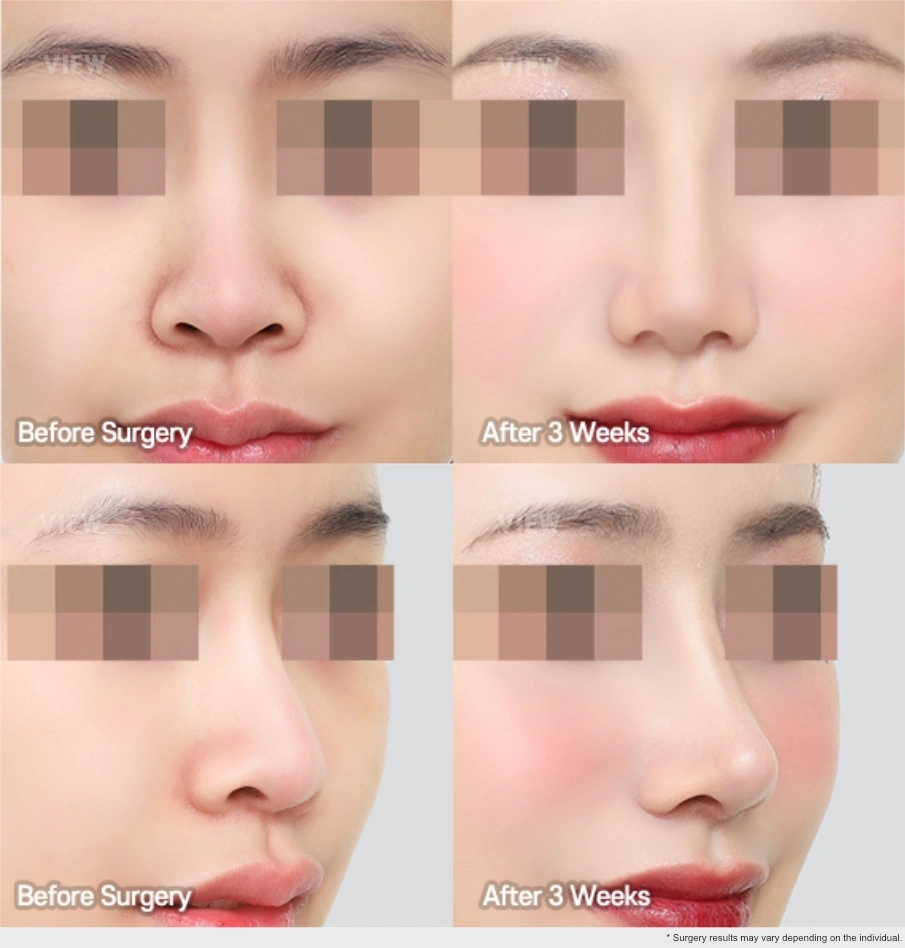
Particularly common in patients with thinner skin, the outline of a silicone implant may become visible over time. This often manifests as a sharp line running down the bridge or a distinct white or reddish discoloration at the tip. This suggests the implant is placing excessive pressure on the skin envelope, leading to thinning tissues. If left untreated, this can progress to implant extrusion.
Warning Sign #3: Tip Dropping (Ptosis)
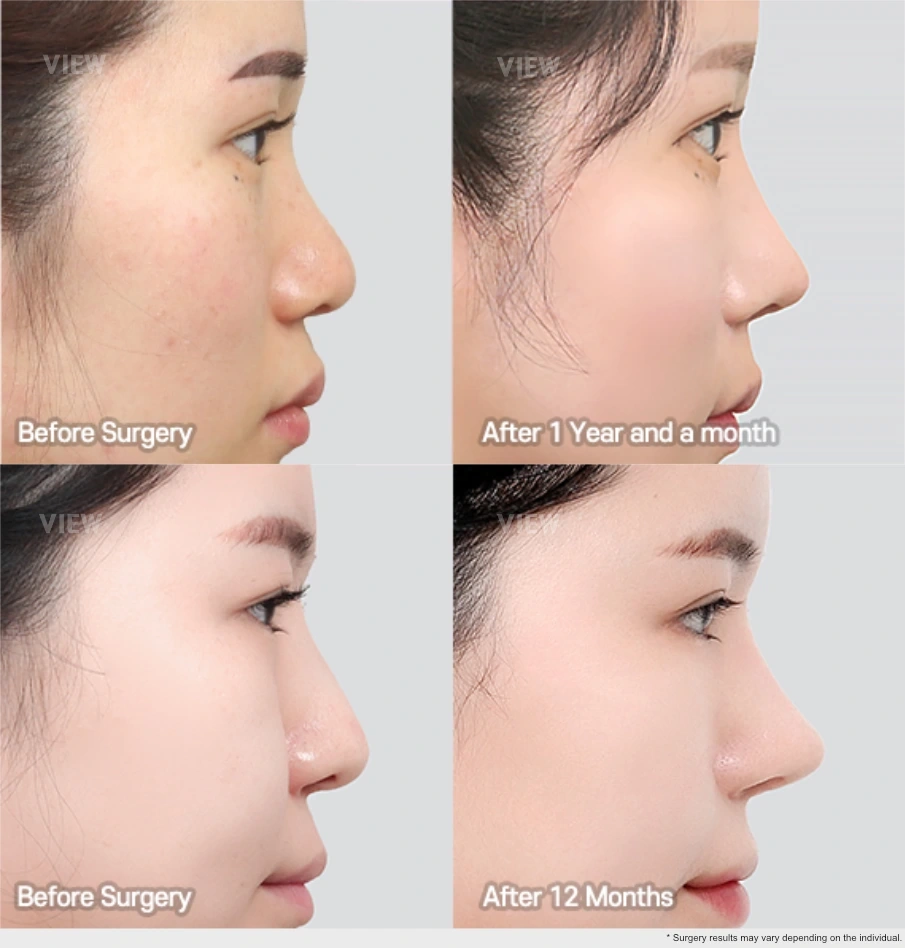
Immediately after surgery, the nose tip is often swollen and appears lifted. However, if the structural support (columellar strut) is weak, the tip may droop significantly over the first year. This “pollybeak deformity” or simple tip ptosis creates a convex profile that lacks definition. Correction involves reinforcing the tip with strong autologous cartilage, such as rib cartilage.
Warning Sign #4: Bridge Irregularities
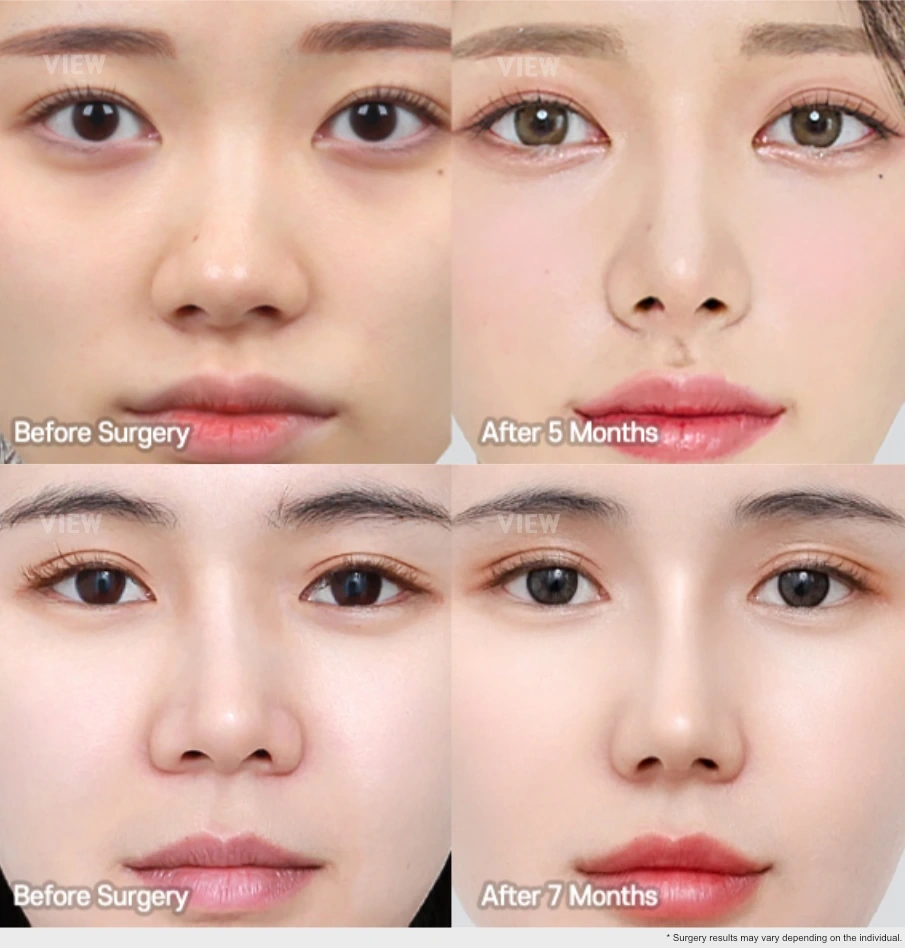
A nose that appears crooked or bumpy after the initial healing period often indicates that the implant has shifted or the underlying bone was not smoothed correctly. In cases of Silicone Rhinoplasty Correction, the skewed implant must be removed, the capsule released, and a new, custom-carved implant or autologous graft placed into a precise pocket to ensure symmetry.
Warning Sign #5: Chronic Swelling
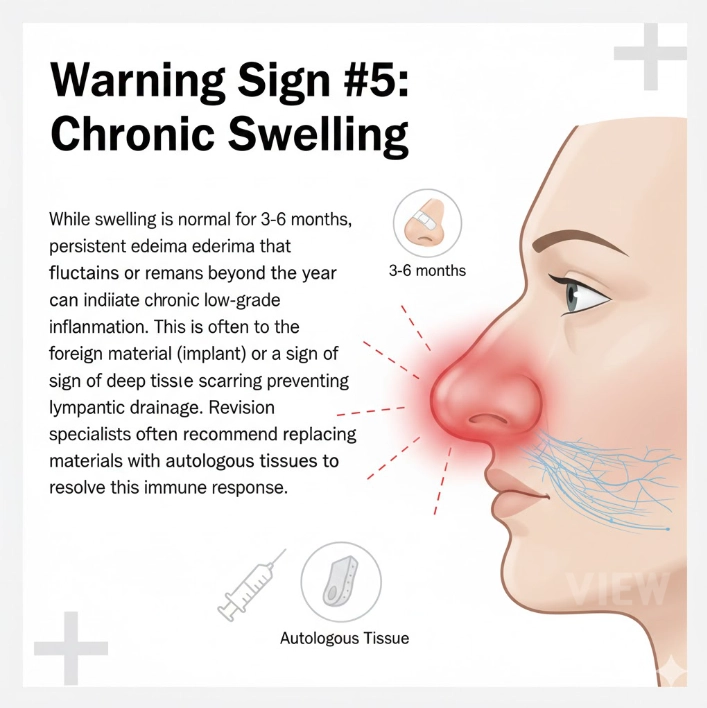
While swelling is normal for 3-6 months, persistent edema that fluctuates or remains severe beyond a year can indicate chronic low-grade inflammation. This is often a reaction to the foreign material (implant) or a sign of deep tissue scarring preventing lymphatic drainage. Revision specialists often recommend replacing artificial materials with autologous tissues to resolve this immune response.
Warning Sign #6: Infection or Contracture (Short Nose)
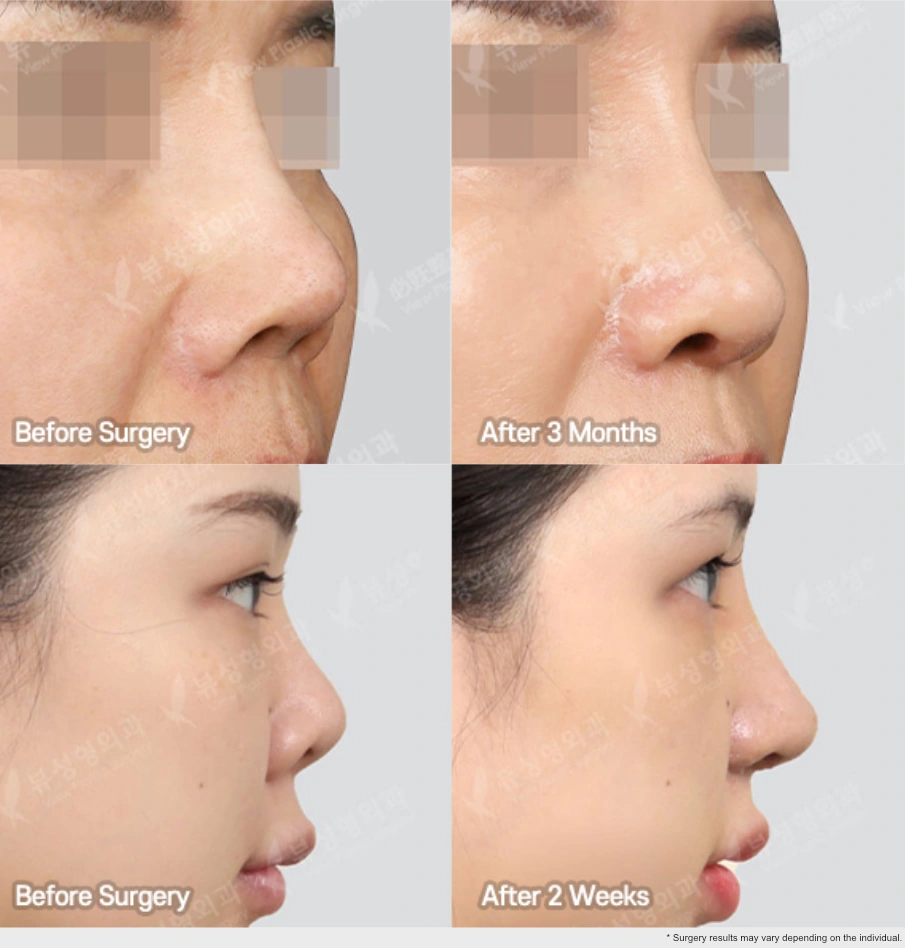
Capsular contracture is the most severe complication, often associated with silicone implants. It occurs when the scar tissue around the implant tightens aggressively, pulling the nose tip upward and shortening the nose (upturned or “pig nose” appearance). The nose may feel rock-hard to the touch. This is a medical urgency requiring the removal of the implant, release of the scar tissue (capsulectomy), and lengthening of the nose using rib cartilage.
Warning Sign #7: Aesthetic Dissatisfaction
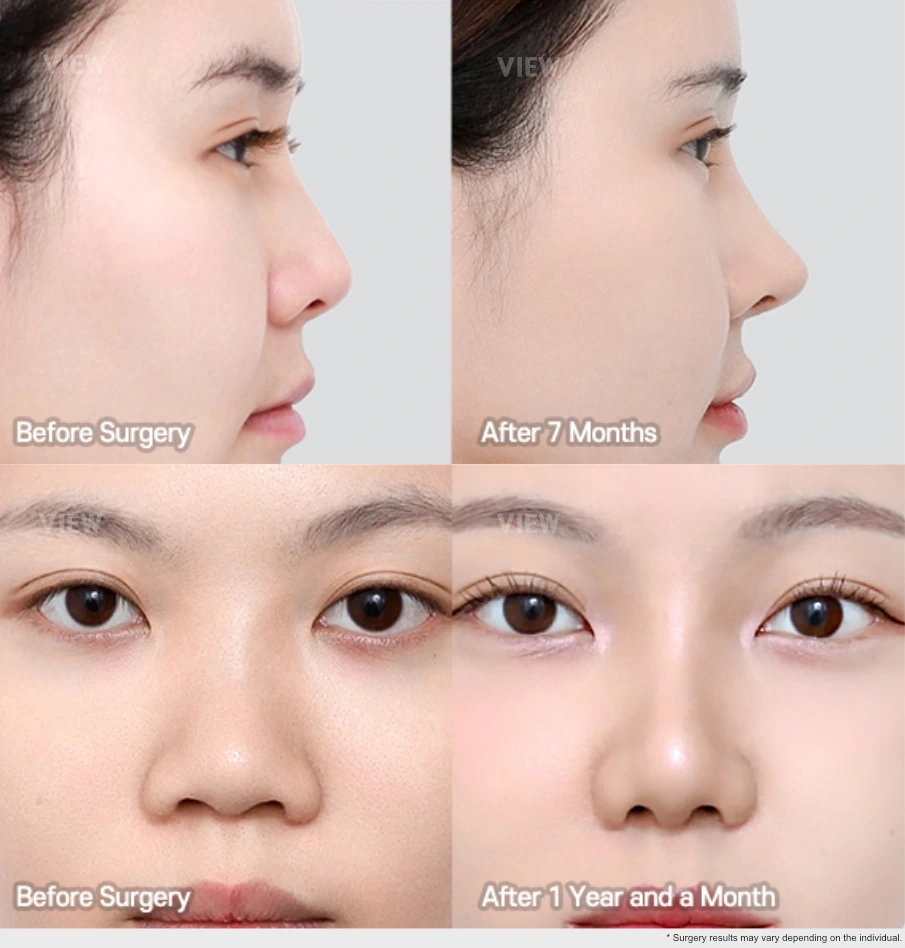
Sometimes, the surgery is technically sound, but the result does not harmonize with the patient’s face. The bridge may be too high, the tip too projected, or the overall look too “surgical.” At View Plastic Surgery, we emphasize a customized aesthetic that balances the nose with the forehead and chin, ensuring the result looks natural rather than manufactured.
Before & After Expectations
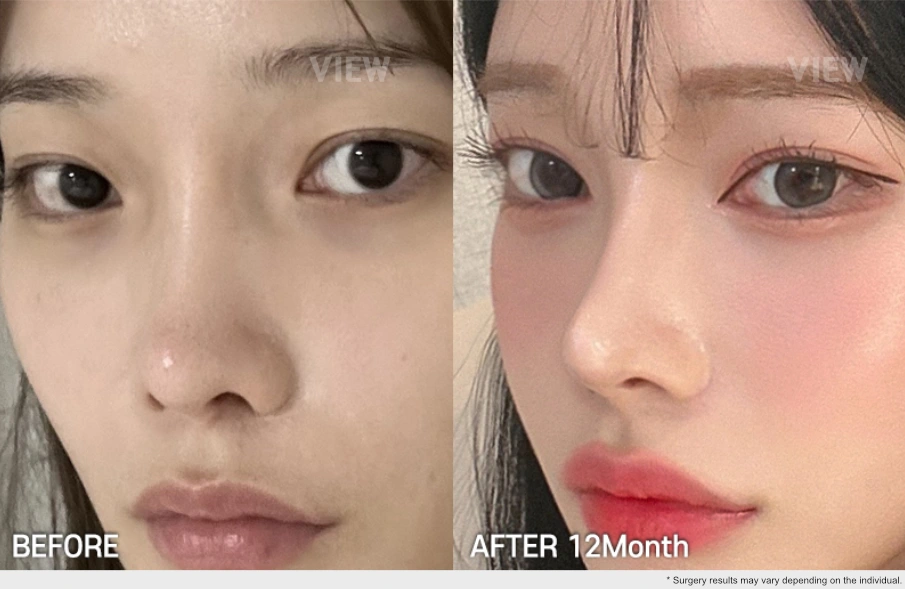
- A detailed 3D or photographic structural analysis
- Discussion of functional symptoms, aesthetic goals, and prior surgical history
- An evaluation of available cartilage sources (septal, ear, or rib cartilage)
- Realistic expectation setting based on tissue quality and skin thickness
- Nasal symmetry and straightness
- Tip support and projection
- Smoother dorsal lines
- Improved breathing and airway function (when functional issues exist)
Why Revision Rhinoplasty Is Harder

Revision surgery faces the “hostile territory” of scar tissue. Blood supply is reduced, and skin elasticity is compromised. This increases the risk of necrosis and infection. Therefore, it is imperative to choose a surgeon with extensive experience in reconstructive techniques, not just cosmetic shaping. The use of advanced 3D imaging allows surgeons to map out the scar tissue before the first incision is made.
Best Timing for Revision Rhinoplasty
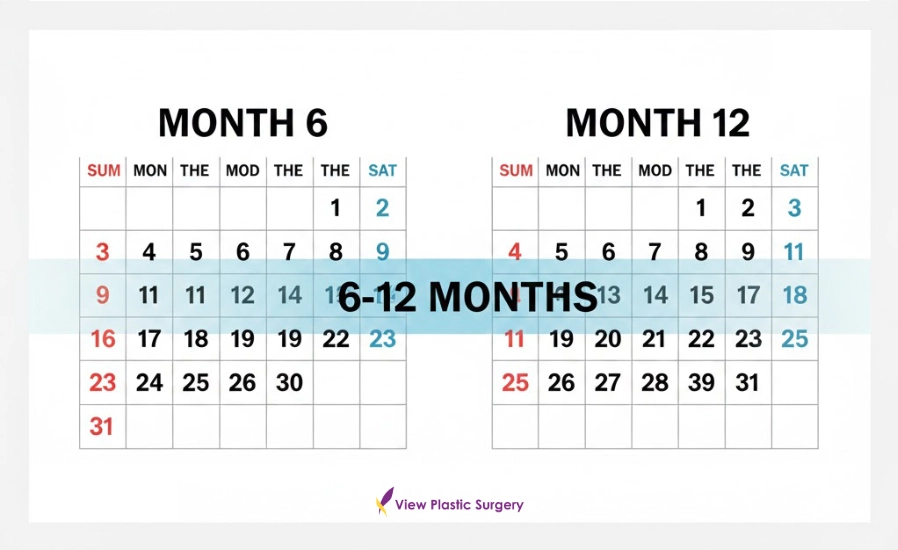
Patience is key. Most surgeons recommend waiting at least 6 to 12 months after the primary surgery. This allows the tissues to soften and the blood supply to stabilize. However, in cases of active infection or imminent implant extrusion, immediate intervention is required.
How Korea Approaches Revision Cases
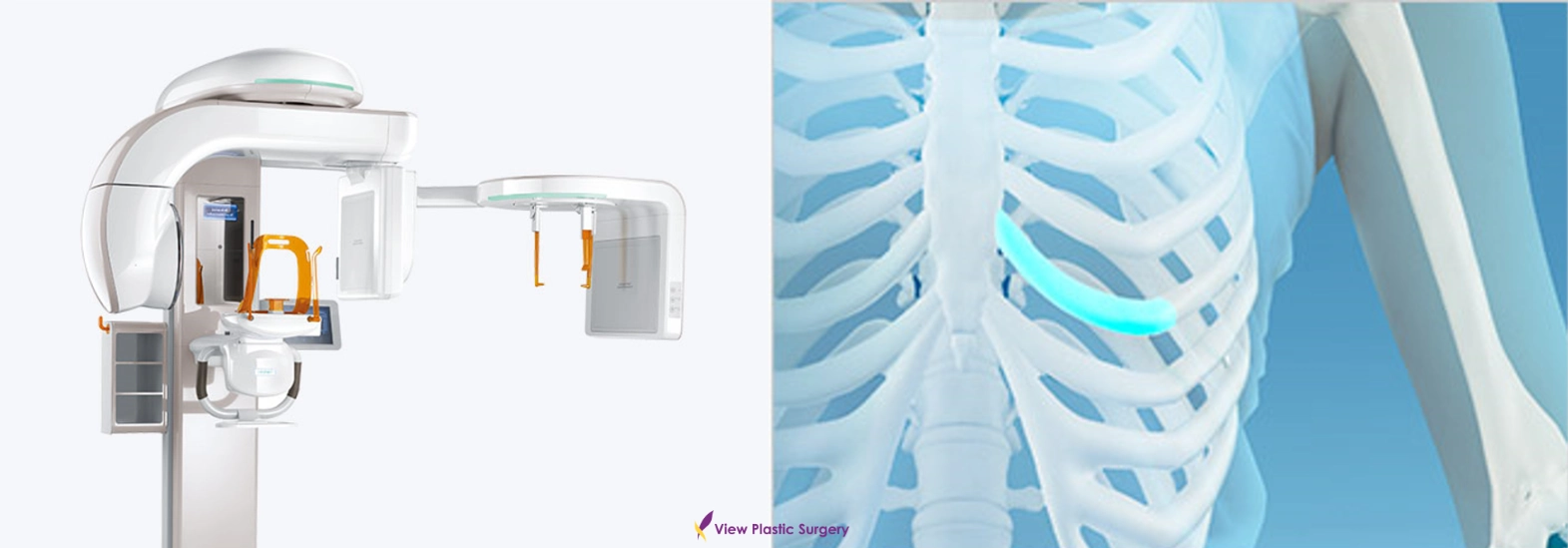
Korean plastic surgery is renowned for its Structural Approach. Rather than simply stacking grafts, Korean surgeons rebuild the tripod structure of the nose. There is a strong preference for autologous materials—specifically rib cartilage—because it offers abundant volume and strength without the risk of immune rejection common with synthetic implants.
Conclusion
If you recognize any of these 7 warning signs, do not ignore them. Delaying revision can lead to permanent tissue damage. At View Plastic Surgery, our dedicated revision specialists utilize high-density rib cartilage and 3D CT technology to restore both the function and beauty of your nose.
Ready to restore your confidence? Book a Consultation with our experts or contact us directly via WhatsApp for a preliminary assessment.