



Low Nose Bridge Fillers vs. Rhinoplasty: An Exhaustive Medical Analysis of Cost, Results, and Longevity
In the field of aesthetic medicine, nasal augmentation remains one of the most sought-after procedures globally. Patients often present with a ‘low nasal bridge’—a common anatomical trait where radix and dorsum lack sufficient projection. Deciding between a non-surgical approach using low nose bridge fillers and a permanent surgical intervention (rhinoplasty) requires a nuanced understanding of anatomical limitations, material science, and long-term financial implications. This guide provides a scholarly comparison for patients seeking objective medical insights into Korea plastic surgery and these two distinct pathways.
1. Low Nose Bridge Fillers vs. Surgery: A Strategic Comparison for Modern Lifestyles
The 15-Minute ‘Liquid Rhinoplasty’
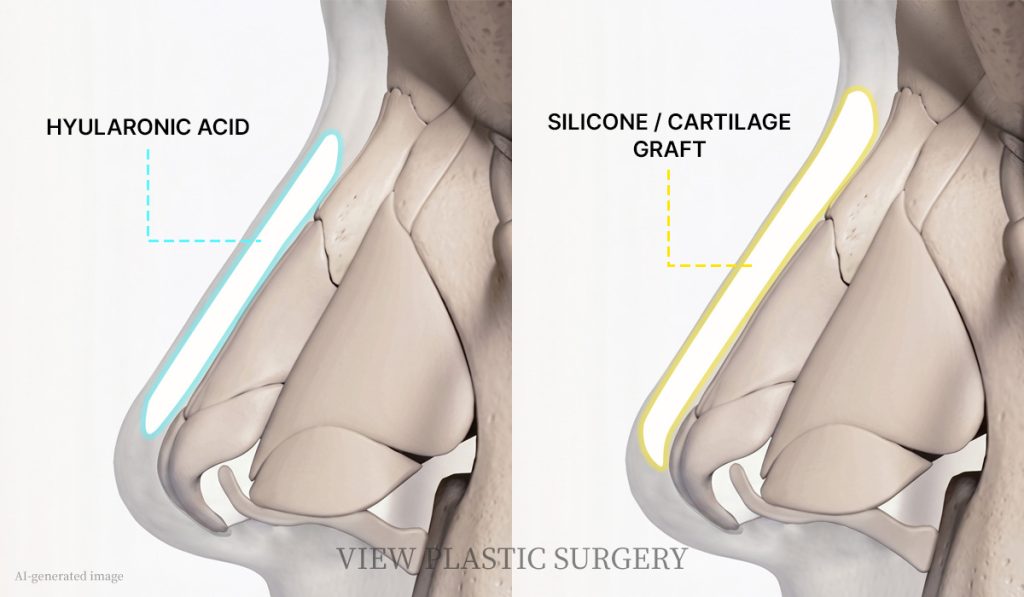
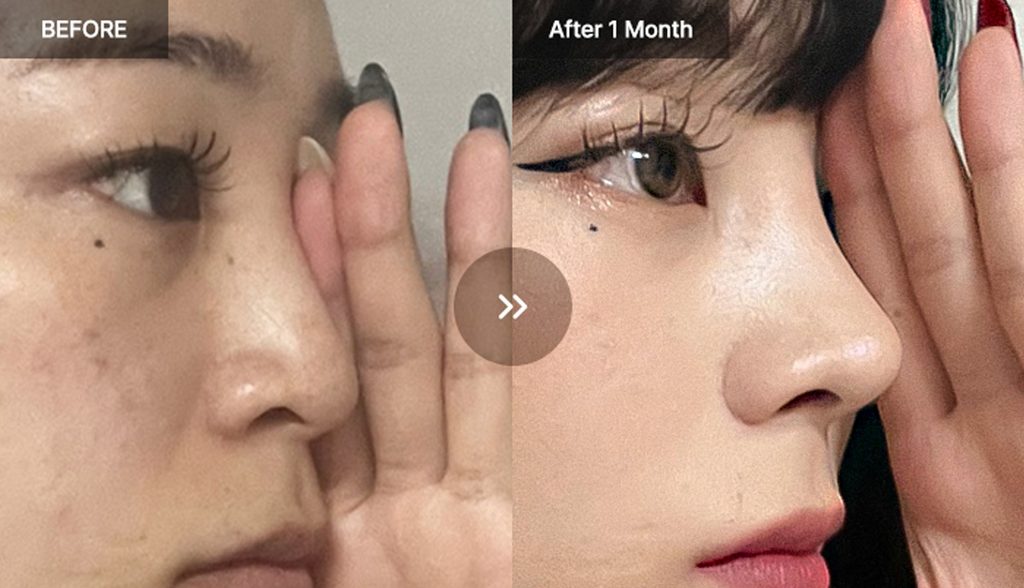
Non-surgical rhinoplasty, commonly referred to as nose filler, involves subcutaneous injection of dermal fillers—typically Hyaluronic Acid (HA)—to augment nasal dorsum. This procedure is characterized by its high immediacy. For international patients visiting Seoul on a tight schedule, the appeal of a 15-minute procedure with zero downtime is significant. However, while fillers can provide immediate elevation of the bridge, they are restricted by the skin’s envelope and the lack of structural support.
Permanent Structural Reconstruction
In contrast, rhinoplasty is a surgical procedure that modifies the underlying bone and cartilage. Unlike fillers, which merely add volume, surgery can reduce, reshape, and structurally reinforce nose. For those seeking a permanent change that addresses the fundamental skeletal structure, surgery is the gold standard.
| Feature | Nose Bridge Fillers | Surgical Rhinoplasty |
|---|---|---|
| Procedure Time | 10–20 Minutes | 1.5–3 Hours |
| Recovery Period | None (Immediate) | 7–14 days (Initial) |
| Longevity | 6–18 Months | Permanent |
| Primary Goal | Volume Augmentation | Structural Correction |
The duration of filler results may vary depending on the type of filler and individual circumstances.
2. Nose Filler Longevity: How Long Does Non-Surgical Rhinoplasty Last?
Metabolic Degradation of HA Fillers
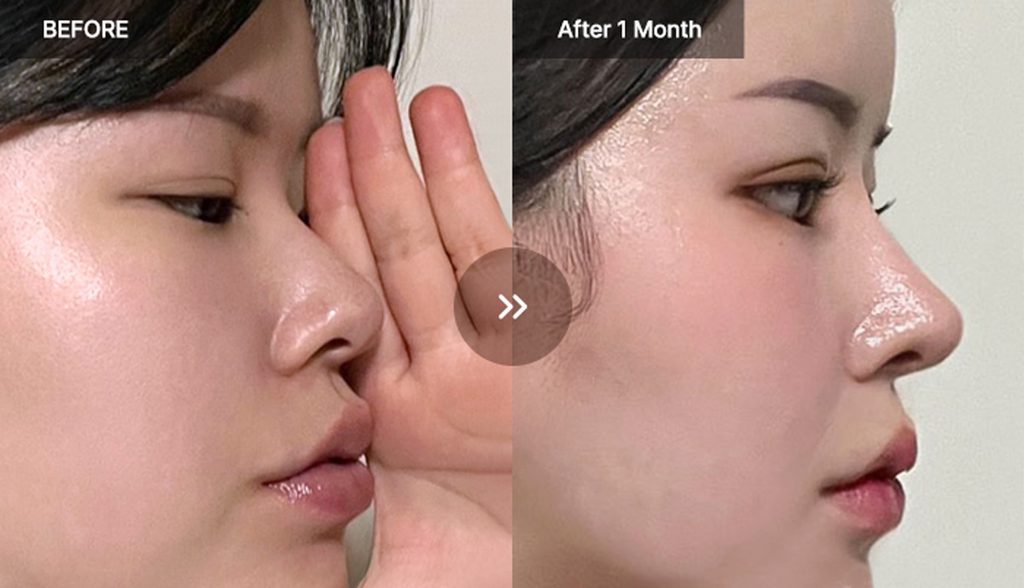
The primary concern with non-surgical rhinoplasty is its temporary nature. Most high-viscosity HA fillers used in the nose, such as Restylane Lyft or Juvederm Voluma, typically maintain their projection for 6 to 18 months. The longevity is dictated by the patient’s metabolic rate and the G’ prime (viscoelasticity) of filler. For more details on available options, visit our Skin Petit services.
The Phenomenon of ‘Filler Migration’ and Widening
A critical medical observation in long-term filler use is ‘width expansion.’ Because nasal bridge is a tight anatomical compartment with overlying skin tension, repeated injections can lead to filler spreading laterally rather than maintaining vertical height. This can result in an unnaturally wide bridge over time, a complication often requiring the filler to be dissolved before a more permanent solution is sought.
3. Beyond the Bridge: Why Surgery is Better for Tip Contouring and Structural Correction
Limitations of Injectables in Nasal Tip Dynamics
While fillers are effective for camouflaging a minor dorsal hump or adding height to adix, they are inherently limited when it comes to nasal tip. Nasal tip requires structural support—often achieved through cartilage grafting—to increase projection or rotate tip upwards. Injecting filler into tip carries a significantly higher risk of vascular compromise (necrosis) due to dense, terminal blood supply in tip area.
Correcting Structural Deviations
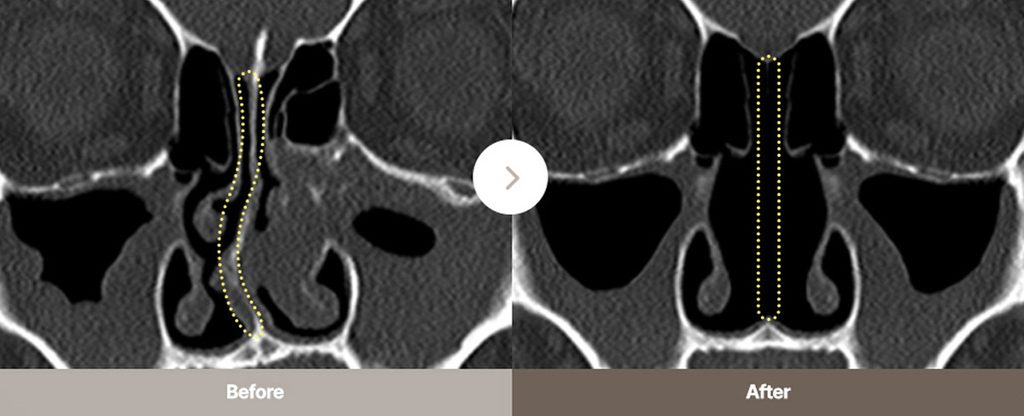
For patients with a deviated nose or internal functional issues like a deviated septum, fillers offer no therapeutic benefit. Rhinoplasty allows surgeons to perform osteotomies (bone resetting) and septoplasty (septal correction) to improve both aesthetic alignment and respiratory function. Fillers only mask surface irregularities; surgery fixes the foundation.

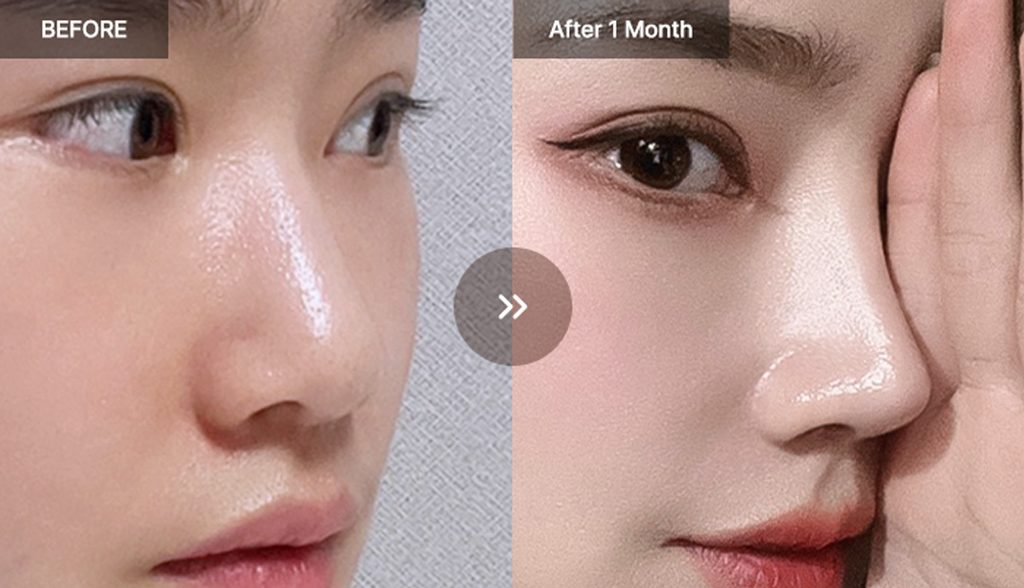
4. Should I Get Nose Fillers or Surgery? Cost-Benefit Analysis
The ‘Hidden’ Cumulative Cost of Fillers
When asking “Should I get nose fillers or surgery?”, many patients focus on initial price tag. While entry cost for fillers is lower, cumulative cost over 10 years—including biannual top-ups and potential dissolving sessions—often exceeds one-time investment of a surgical procedure.
The Value of Permanence
Surgery provides a permanent anatomical change. From a value perspective, ‘cost per year’ of a successful rhinoplasty decreases every year the patient enjoys their result, whereas cost of filler remains a recurring liability. Furthermore, surgery can utilize autologous materials (your own cartilage), which eliminates risk of biocompatibility issues associated with foreign fillers.
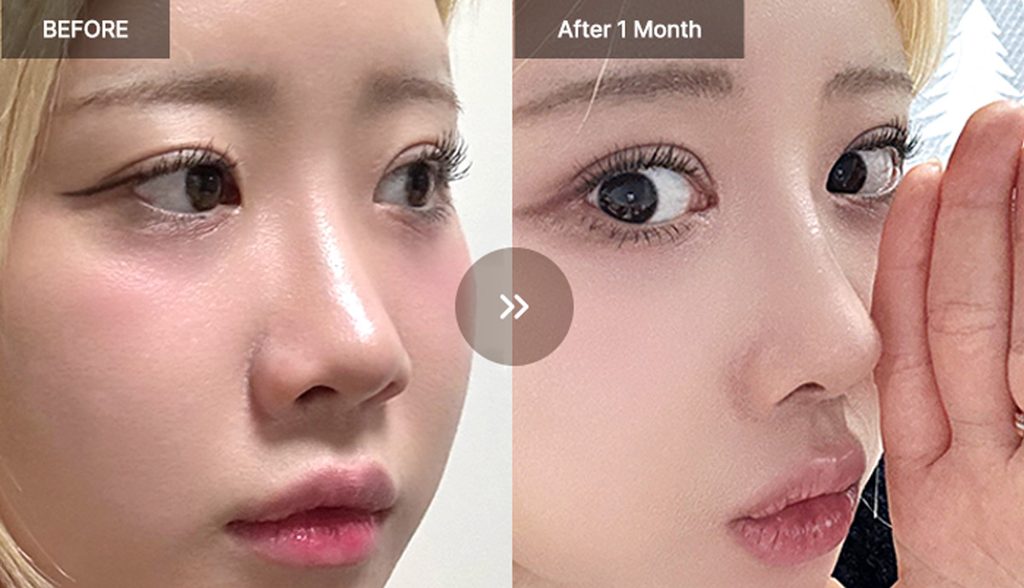
5. Transitioning from Fillers to Rhinoplasty: Safety and Dissolving Procedures
Why You Must Dissolve Before Surgery
If you have existing filler and decide to transition to a permanent surgical solution, medical protocol requires complete removal of filler. Surgeons cannot accurately assess the underlying nasal anatomy if it is obscured by HA gel. Furthermore, operating on a nose containing filler increases the risk of post-operative infection and unpredictable swelling.
The Hyaluronidase Protocol
At View Plastic Surgery, we utilize Hyaluronidase to enzymatically dissolve filler. We typically recommend waiting 1 to 2 weeks after dissolving procedure before undergoing rhinoplasty. This ensures that all residual filler and associated swelling have subsided, allowing surgeons to work on the ‘true’ nose anatomy.
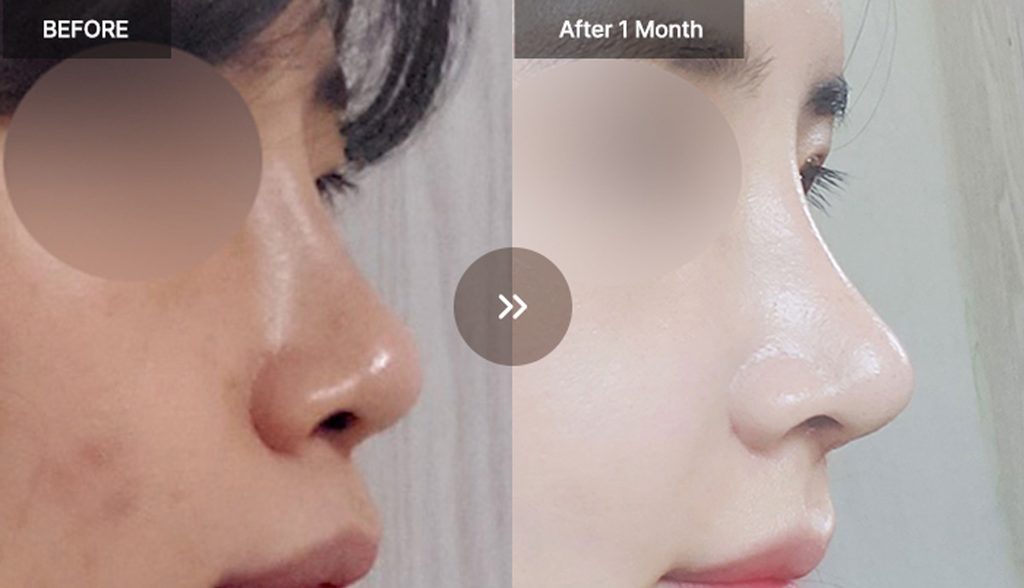
6. Make the Right Choice: Personalized Consultation in Seoul
Choosing between fillers and surgery is not just about aesthetics; it’s about your lifestyle, health history, and long-term goals. While fillers are an excellent ‘trial’ for those unsure about a permanent change, surgery remains the definitive solution for total nasal harmony.
Are you ready to discover which path is right for you? Our experts at VIEW Korea Plastic Surgery provide comprehensive evaluations using 3D imaging to show you potential results. You can start your journey by requesting a 1:1 photo diagnosis via WhatsApp or scheduling a formal online consultation today.