
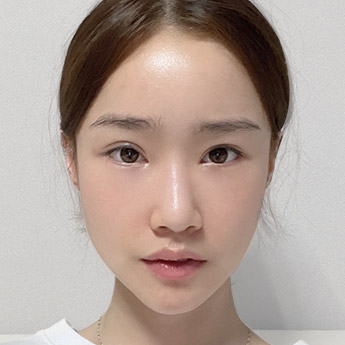
Before Surgery

After 2 Months
Customized Proportion and Nose Shape Analysis!
#Low Nose #Bulbous Nose #Hump Nose #High Bridge
Personalized Nose Line Just for You

 * AI Generated Model
VIEW Plastic Surgery’s nose-type-specific rhinoplasty carefully analyzes the width,
height, and shape of the nose—the
centerpiece
of the face—while considering individual needs and overall facial proportions to create personalized
results that
enhance individuality,
natural balance, and a three-dimensional appearance.

* Image Model
Rhinoplasty Starts with VIEW!
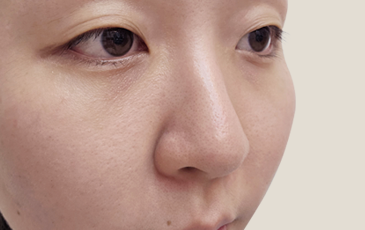
Before
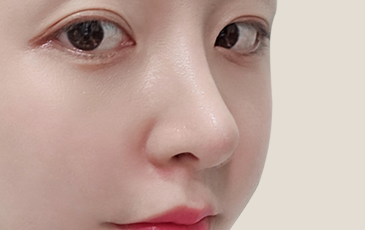
After 9 Months
* Results of surgery may vary depending on the individual, and there may be side effects such
as haemorrhaging,
inflammation, etc.
* This image features an actual patient of VIEW Plastic Surgery and is published with their consent.
Rhinoplasty, “VIEW” Is Art!
Enhance your facial structure by lifting a flat,
low nose bridge to create a naturally defined and three-dimensional appearance.

* Image Model
Low nose rhinoplasty is ideal for those with a low bridge or small nose that
lacks definition. By considering the overall balance of your face,
this procedure uses biocompatible implants for the bridge and autologous cartilage
for the tip, creating a naturally elevated and three-dimensional line from the
glabella to just above the tip of the nose.

Correct a rounded nose tip and wide nasal
bridge into a balanced, ideal line
With precise techniques,
reduce scar concerns
Achieve a higher,
more defined nose for a
refined appearance.
CASE 01
Before Surgery
After 2 Months
CASE 02
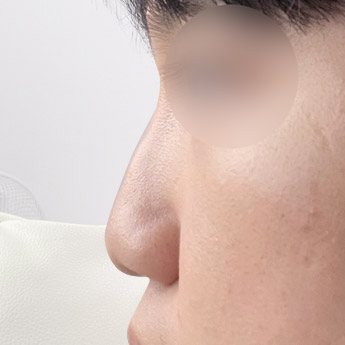
Before Surgery
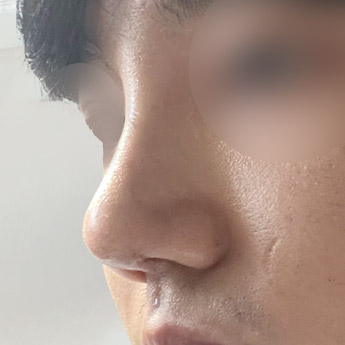
After 5 Months
Nose Bridge(Implant)
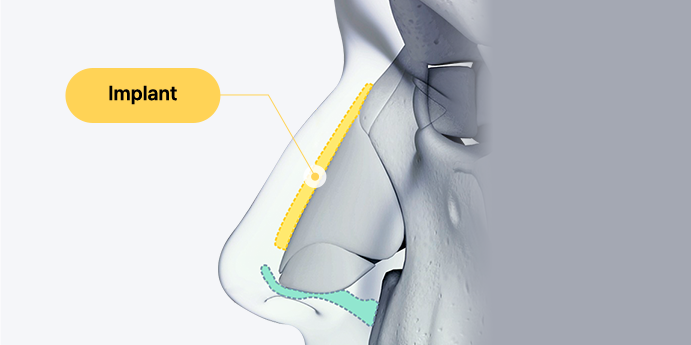 Design the height and shape of the nose by considering the face shape,
Nose Tip (Autologous Cartilage)
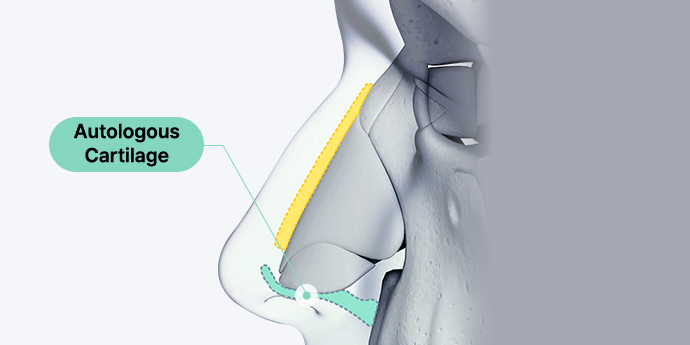 Use autologous cartilage to refine the nose tip,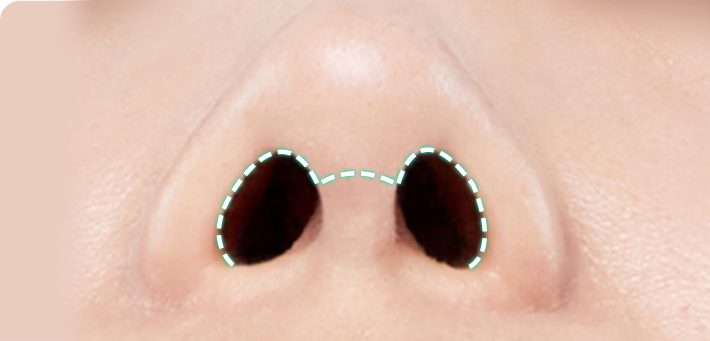
Open Technique
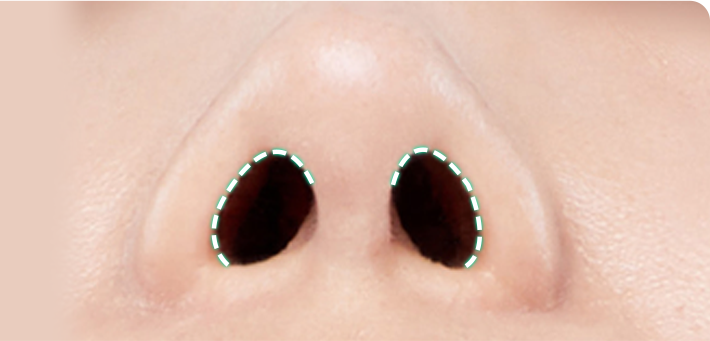
Closed Technique
Rhinoplasty, “VIEW” Is Art!!
We assess the height and thickness of the nostrils, nasal tip, and nasal bridge to
create the perfect solution for a
slim and refined nose line,
transforming your appearance into a more sophisticated look.

Bulbous nose rhinoplasty refines a wide nasal base and thick nasal tip
while enhancing the bridge to create a naturally elevated, slim, and
harmonious nose line tailored to your facial proportions.
Accurately analyzing the
thickness and size of the nasal
tip, as well as the shape of
the bridge and tip.
Remove soft tissues and
refine cartilage to create
a sharp, slim nasal tip.
Enhance the nose bridge to
match the proportions
of the nasal tip and face,
resulting in a sophisticated look.
With VIEW’s expertise, scarring
concerns are minimized.
CASE 01

Before Surgery
After 7 Months
CASE 02
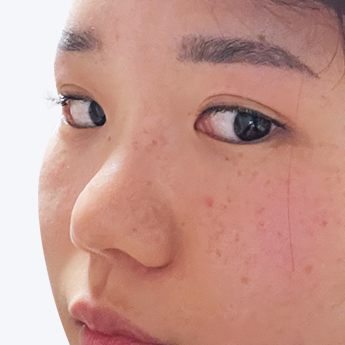
Before Surgery
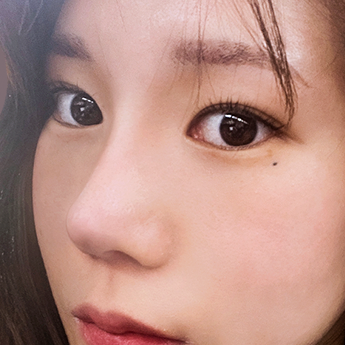
After 5 Months
CASE 1. When the Nasal Cartilage is Large or Wide
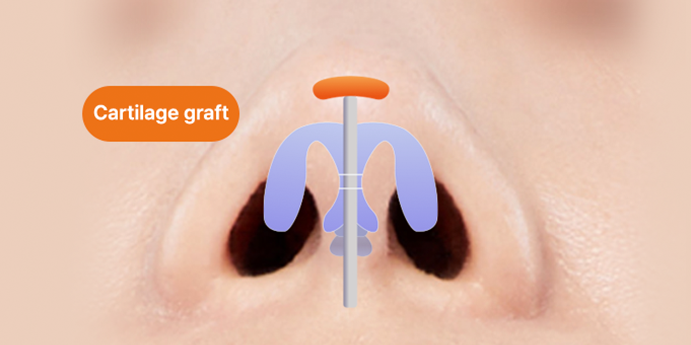 The cartilage is trimmed and sutured to reduce its size and width,
CASE 2. When There is Excess Fat and Thick Subcutaneous Tissue
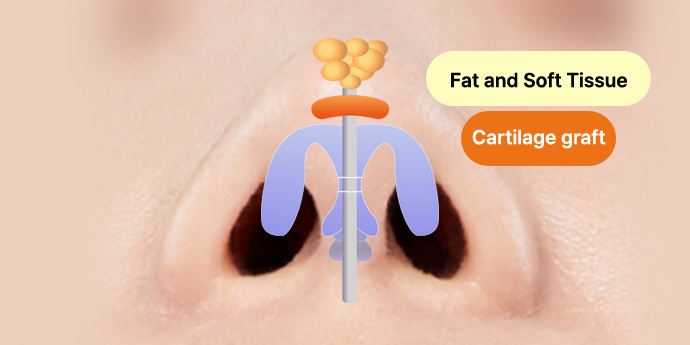 Excess Fat and soft tissue in the nasal tip are removed to reduce
Rhinoplasty, “VIEW” Is Art!!
A prominent hump is precisely corrected to create a smooth and refined contour,
transforming your appearance
into a softer and more approachable look.

Hump Nose Surgery corrects a prominent nasal hump by removing
excess nasal bone and septal cartilage through osteotomy,
creating a sleek bridge and refined tip tailored to individual needs
for a smooth, harmonious nose line.
The severity of the nasal hump is
carefully measured and diagnosed
to create a precise design.
A customized surgical plan
tailored to various conditions
ensures natural results.
A smooth line is created from
the starting point of the nasal
bridge to the tip, without
any protrusions.
A harsh appearance is
transformed into a soft
and sophisticated image.
CASE 01
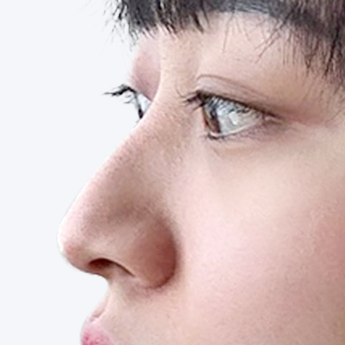
Before Surgery
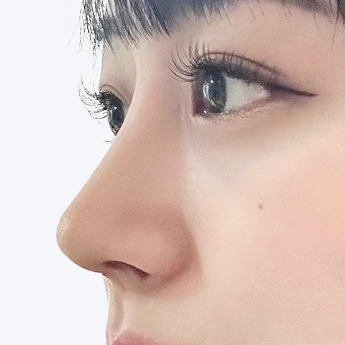
After 3 Weeks
CASE 02
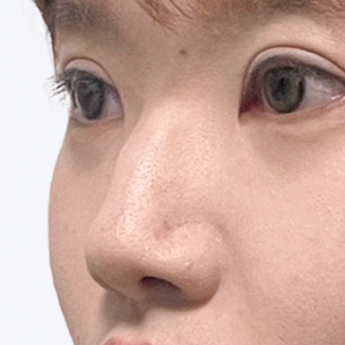
Before Surgery
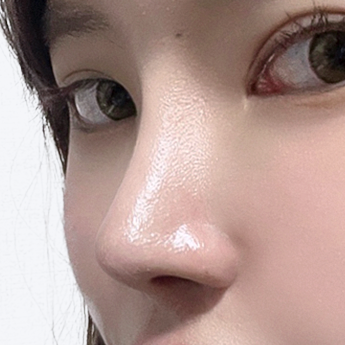
After 4 Weeks
CASE 1. Mild Hump Nose
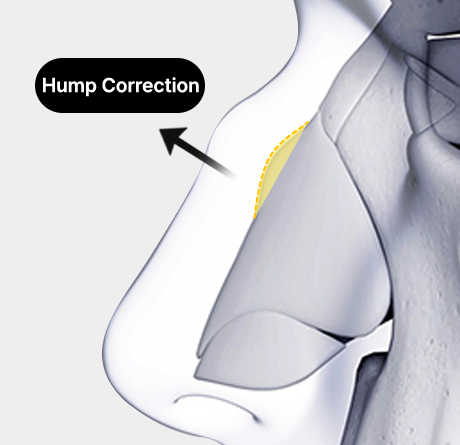 Depending on the severity,
CASE 2. Low Hump Nose
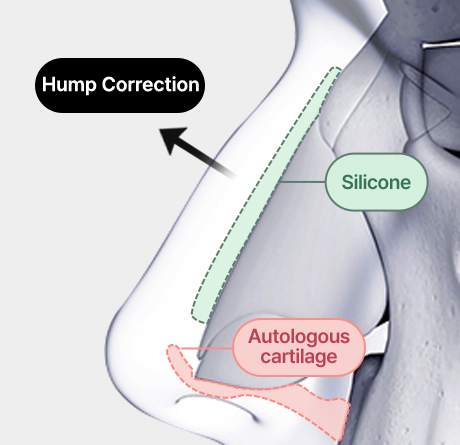 After correcting the hump,
CASE 3. Severe Hump Nose
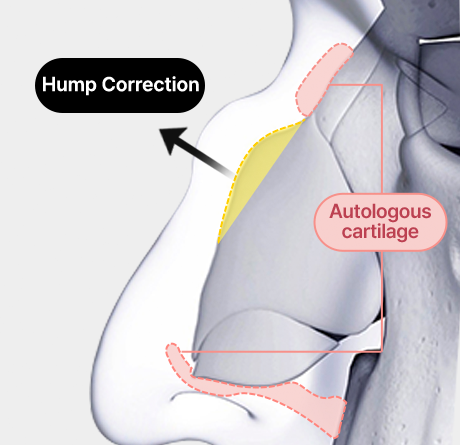 Autologous cartilage is inserted into the depressed
Rhinoplasty, “VIEW” Is Art!!
Adjusting the nasal column angle for short or upturned noses creates
a sophisticated and attractive line.

Short noses, or “upturned noses,” refer to cases where the nasal tip
appears raised from the front, exposing an excessive amount of the
nostrils. By extending the soft tissue and length of the nose and gently
lowering the tip, the nose’s length and proportion are naturally
enhanced to suit each individual’s facial balance, improving both length
and tip positioning.
Careful diagnosis of Skin Thickness, Length,
Nostril Exposure, and Nasolabial Angle.
Improve to the optimal nose shape by
customizing autologous cartilage and
biocompatible silicone implants for
each individual.
Erase the rustic impression of a “pig nose”
and transform it into an elegant image.
CASE 01
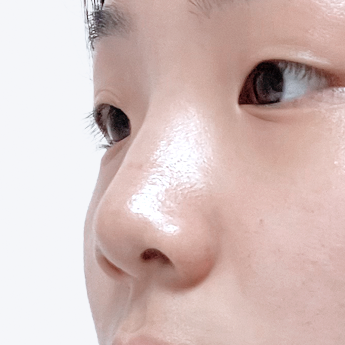
Before Surgery
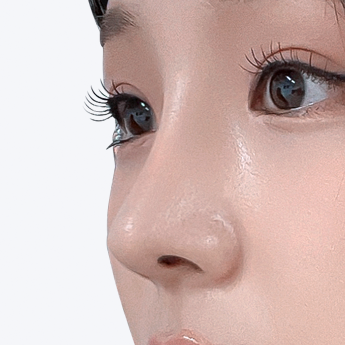
After 3 Weeks
CASE 02
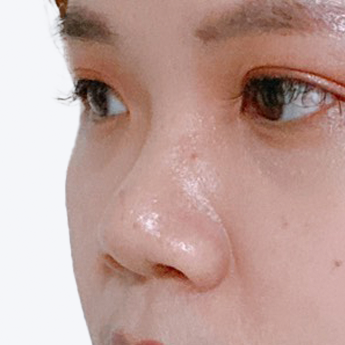
Before Surgery
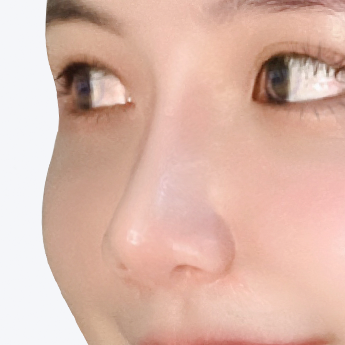
After 8 Months
CASE 1. Mild Hump Nose
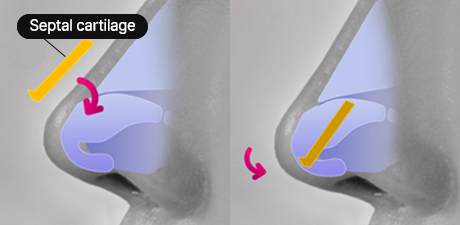 When the columella is elevated relative
CASE 2. Upturned Nostrils
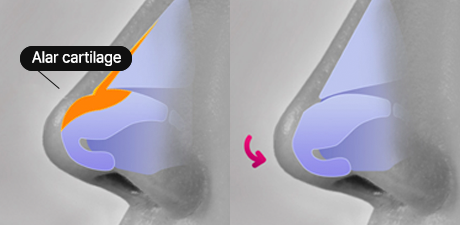 When the nostrils are overly exposed and appear
CASE 3. Overall Short Nose
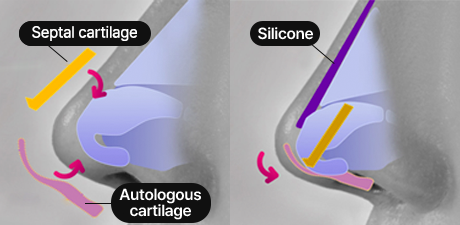 Cartilage reshaping and grafting are performed
Rhinoplasty, “VIEW” Is Art!
Design the droopy nasal tip in harmony with facial features and
firmly secure it with cartilage for a natural and balanced correction.

A “hooked nose” refers to a nose where the tip droops, making the
nose appear excessively long and pointed, especially when smiling,
often resembling an arrowhead. The cause can be an overgrown
septal cartilage or downward-facing alar cartilage. Correction involves
adjusting the droopy nasal tip, transforming an aged and stern
impression into a softer and more youthful appearance
Consider the overall facial proportions and
nasal length to design a harmonious
balance of features.
Correct a long and droopy nose
that appeared aged to achieve
a youthful and refreshed look.
Secure the cartilage firmly to
eliminate concerns about recurrence.
CASE 01
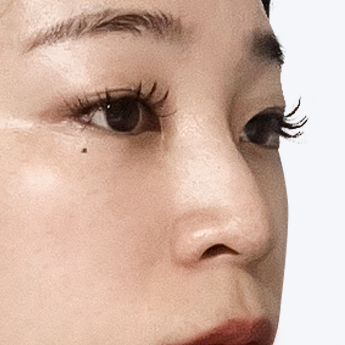
Before Surgery

After 2 Months
CASE 02

Before Surgery
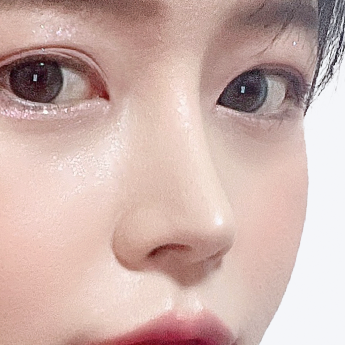
After 3 Weeks
CASE 1. When the Alar Cartilage is Large and Droopy
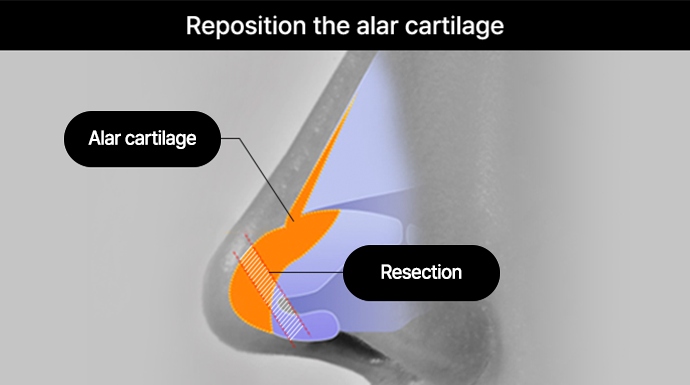 Resect the alar cartilage, rotate it upward,
CASE 2. When the Septal Cartilage is Overdeveloped
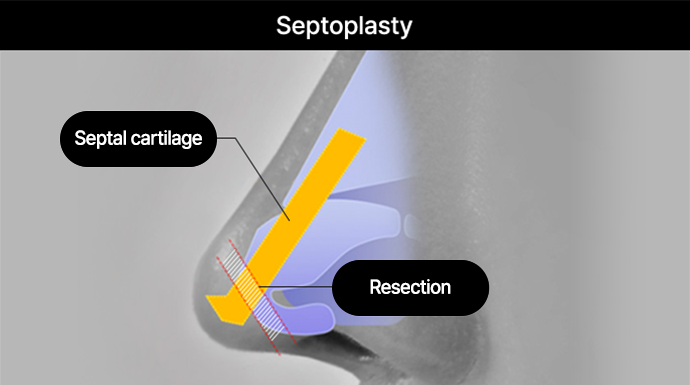 Partially remove the lower portion of the droopy septal cartilage or sever
Rhinoplasty, “VIEW” Is Art!
Provide a customized solution through precise diagnostic analysis to correct, enhance
functionality,
and refine the nose’s appearance beautifully and accurately.

Crooked Nose Surgery is a procedure to straighten a deviated nose
caused by structural internal issues or trauma leading to asymmetry
of the bone or cartilage. Depending on the severity of the deviation,
a crooked nose can affect breathing, causing discomfort. Through
3D-CT scans, it is determined whether the deviation stems from
internal cartilage or is simply an external appearance issue. Accurate
diagnosis is essential, followed by a customized surgical approach
to properly correct the condition.
Perform surgery using the most
suitable method based on
the degree of nasal deviation.
Correct both aesthetic
and functional aspects
simultaneously.
Customize the procedure with
optimized techniques for
each deviated bone and cartilage.
Straighten the crooked nasal
bridge to achieve a refined
and polished appearance.
CASE 01

Before Surgery

After 1 Month
CASE 02
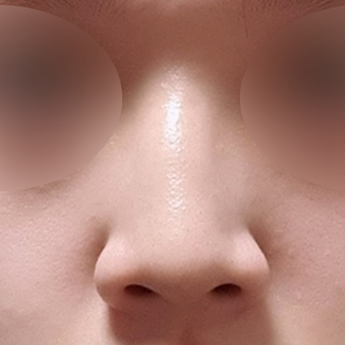
Before Surgery
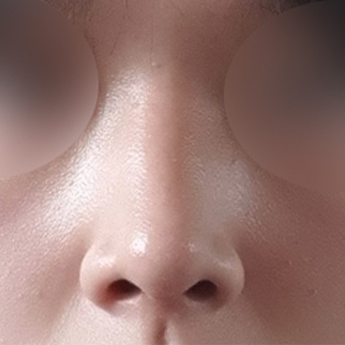
After 1 Month
C - Shaped
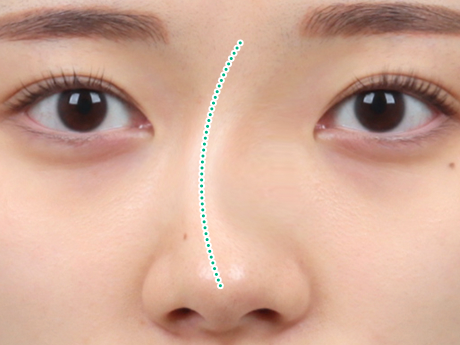 The nose curves in a C shape,
S - Shaped
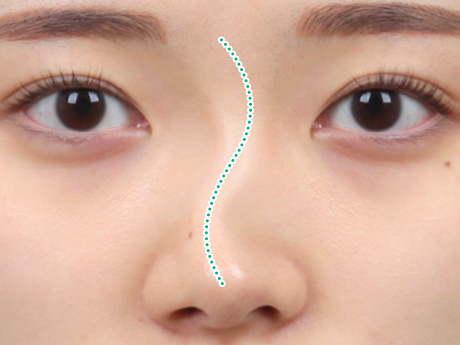 The line from the starting point of the
Diagonally Shaped
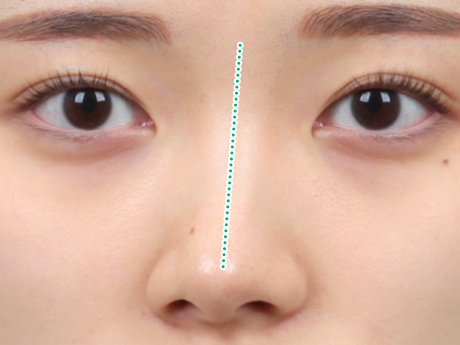 The nose deviates in a diagonal line from
A crooked nose often involves not only the visible appearance but also the internal nasal
structure.
Common types, including C-shaped, S-shaped, and diagonally shaped deviations, often accompany
functional issues like septal deviation or nasal
valve stenosis, requiring precise 3D-CT and nasal endoscopy examinations to determine the cause and
apply tailored
solutions.
Septal Deviation
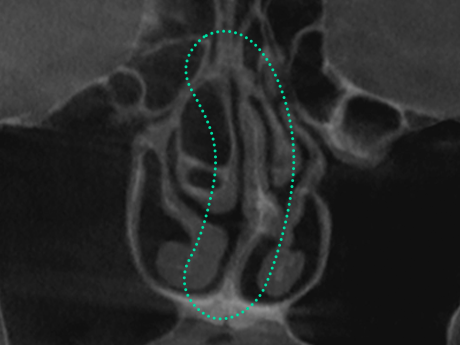 A condition where the septal cartilage,
Nasal Valve Stenosis
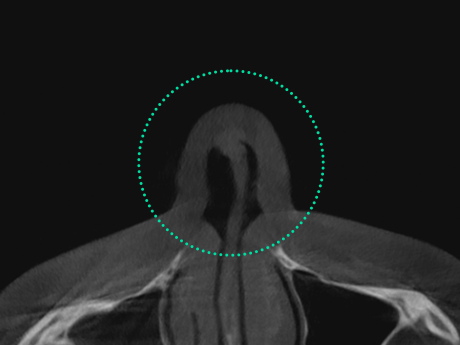 The nasal valve, located at the upper part of the
Hypertrophic Rhinitis
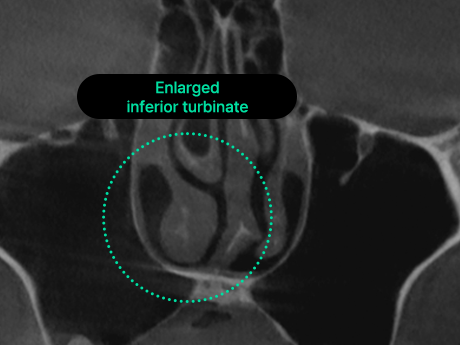 A result of chronic rhinitis, this condition deforms the
CASE 1. Mild Deviation
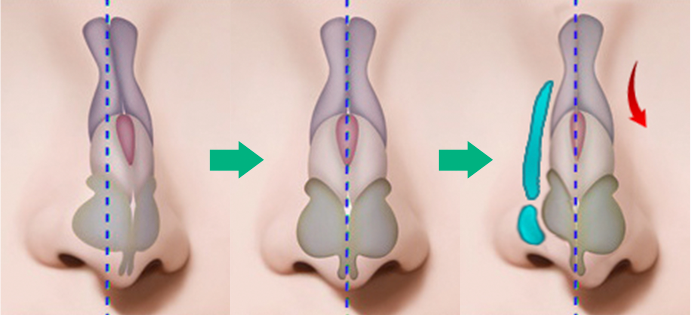 The cause and degree of the deviation are diagnosed,
CASE 2. Severe Deviation
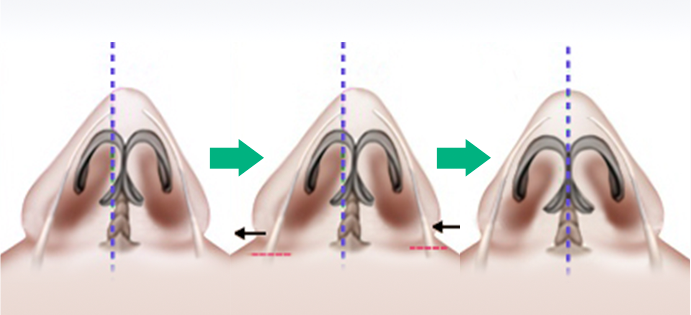 For significant deviations, both sides of the crooked
Customized Nose Line Just for You
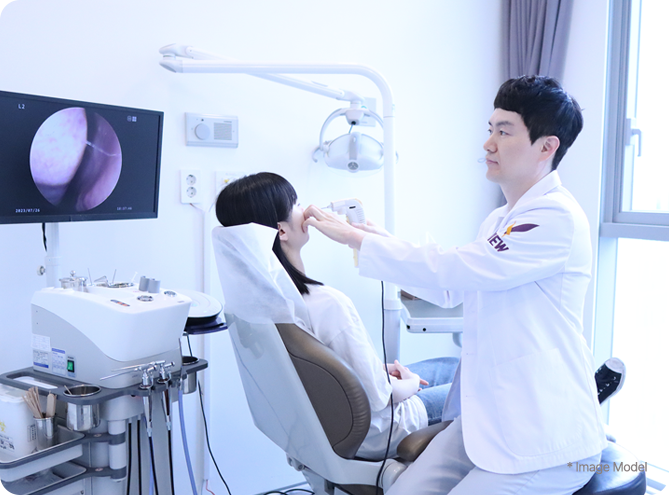
Through extensive experience with diverse cases,
we conduct a precise analysis of both aesthetic and functional
nasal issues. Based on individual symptoms, we perform the
most suitable surgical method, minimizing tissue damage and
scarring, reducing swelling with shorter Surgery Durations,
and providing tailored aftercare for a quick recovery.

By closely examining the current condition to identify any issues,
we offer solutions tailored to each patient's unique needs.
Using biocompatible implants and autologous tissue, we create
a natural and stable nose line for optimal results.
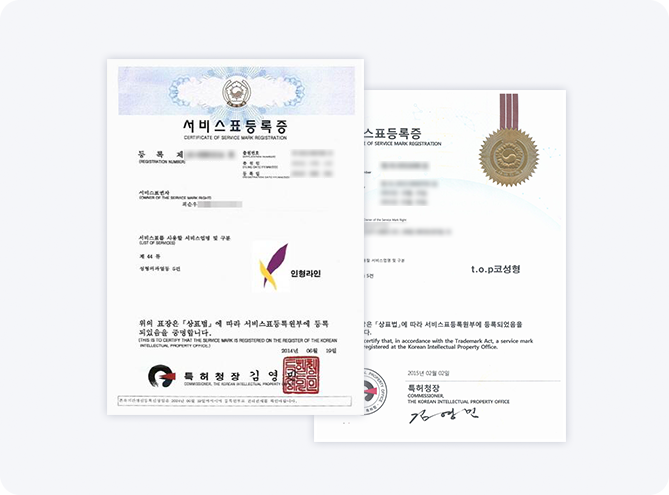
View Plastic Surgery’s outstanding rhinoplasty expertise
attracts patients from various countries. We have also secured
trademarks (service mark registrations) from the Korean
Intellectual Property Office for “Doll Line” and “TOP Rhinoplasty,”
solidifying our reputation for excellence.
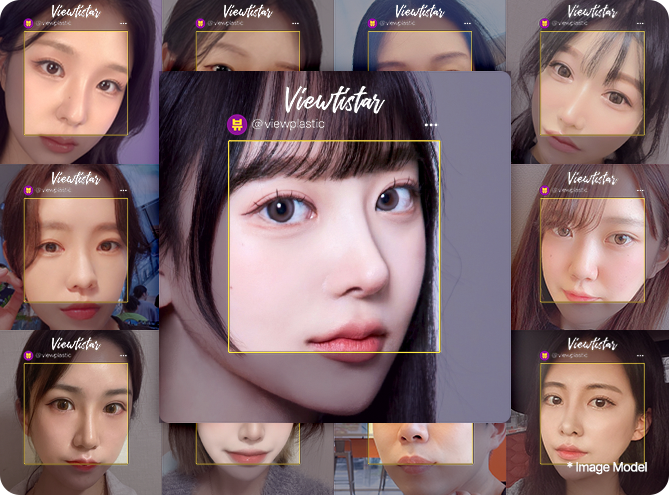
Since its founding in 2005, VIEW has earned recognition through
numerous positive reviews and extensive experience with diverse
cases, skillfully correcting both internal structures and external
appearances to create naturally beautiful and refined nose lines
tailored to any shape or desired style.
‘VIEW’ Rhinoplasty Real Selfies
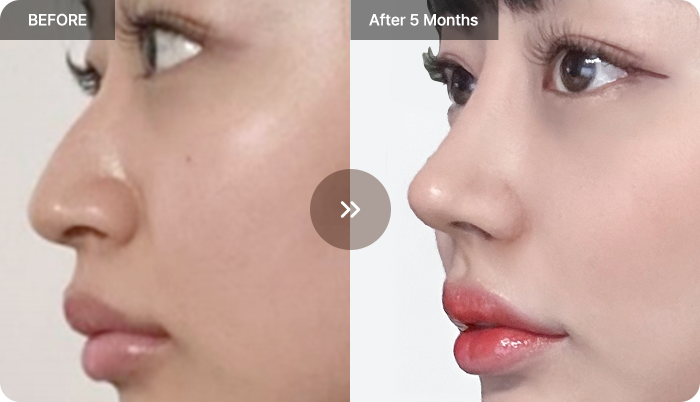
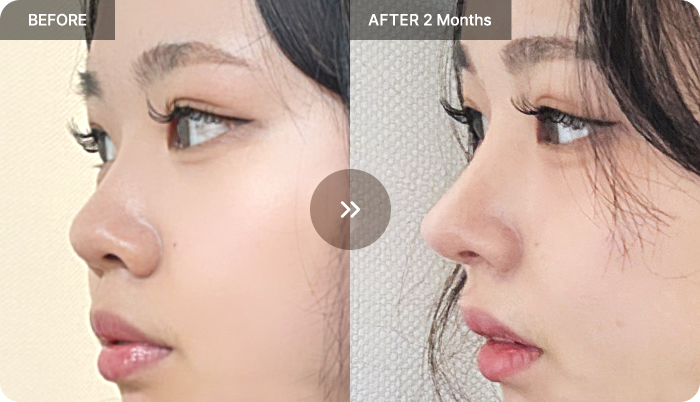
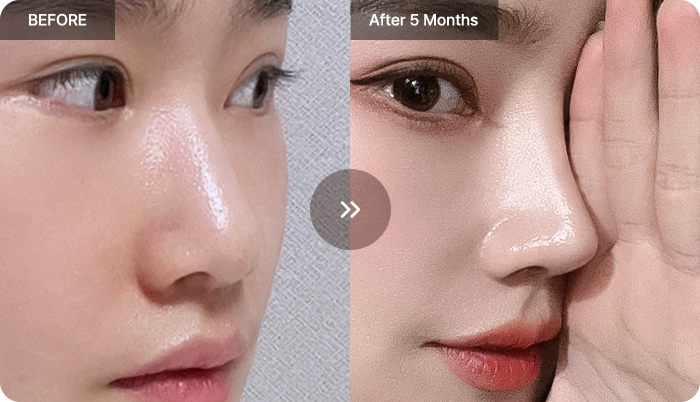
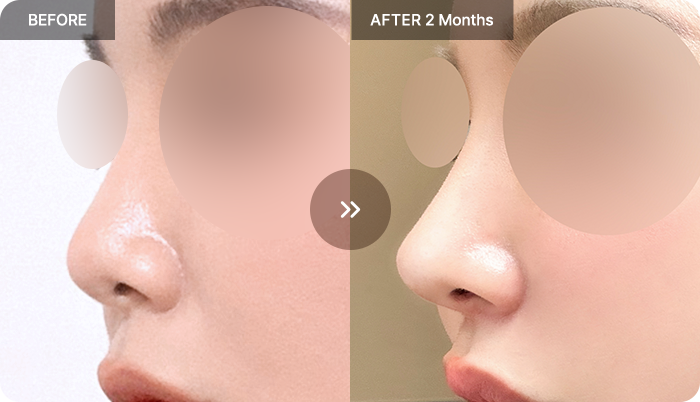
* Results of surgery may vary depending on the individual, and there may be side effects such as
haemorrhaging,
inflammation, etc.
* This image features an actual patient of VIEW Plastic Surgery and is published with their consent.
An optimized system covering
consultation, examination, surgery,
recovery, and aftercare.
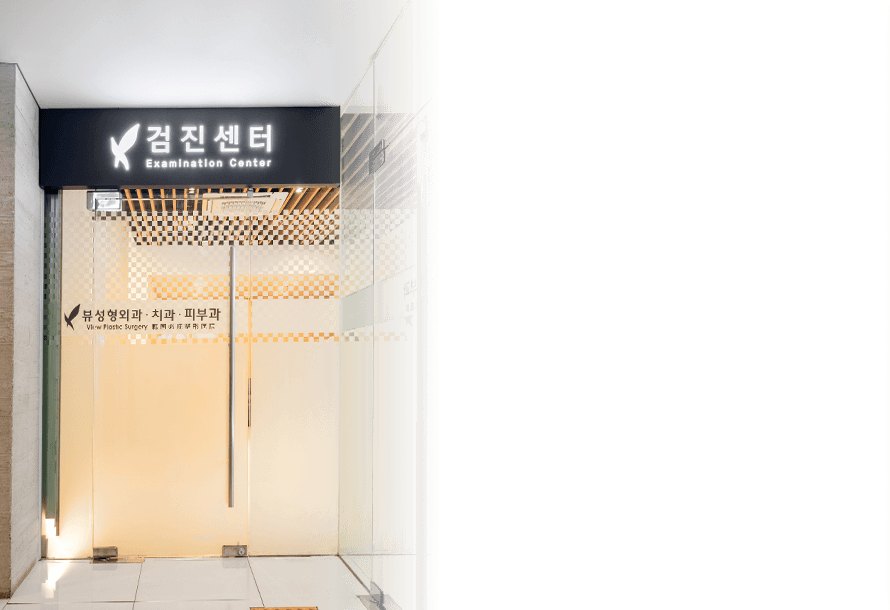
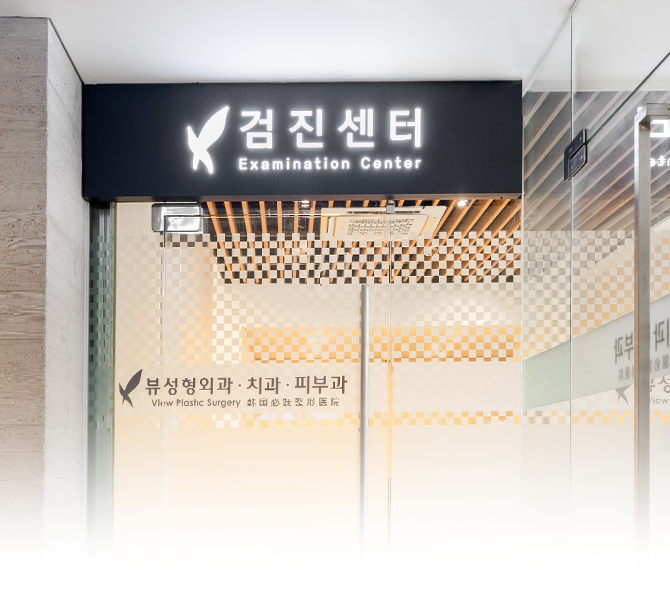
With our in-house examination center,
we provide a one-stop system for pre-surgery
evaluations and post-surgery check-ups,
all within a single building. This ensures a safe
surgery process and comprehensive aftercare.
Learn More Examination Center →
An optimized system covering
consultation, examination, surgery,
recovery, and aftercare.


We provide a tailored and systematic
post-surgery care program to promote
quick recovery and minimize concerns
about scarring.
Learn More Aftercare →
Long-Lasting Results That Naturally Harmonize with Your Face Over Time








Personalized solution suggestions
that make you
feel like you have a naturally
pretty face shape
BEFORE
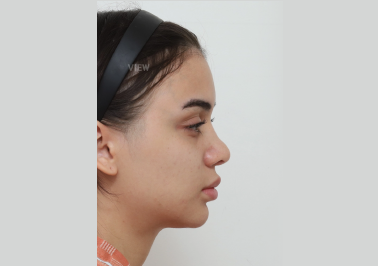
BEFORE

AFTER 3 Months
AFTER
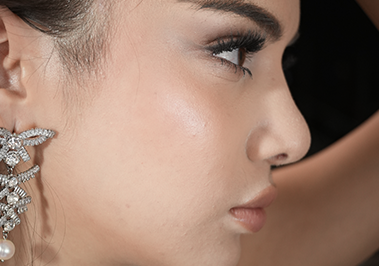
AFTER 3 Months
BEFORE
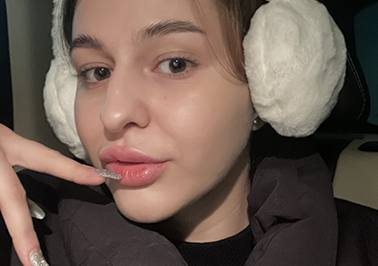
BEFORE

AFTER 3 Months
AFTER
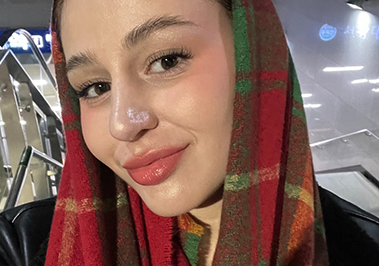
AFTER 3 Months
BEFORE
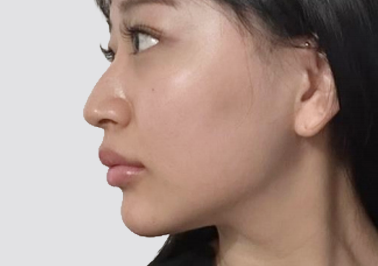
BEFORE

AFTER 2 Months
AFTER
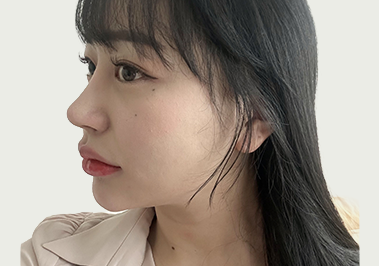
AFTER 4 Months
BEFORE
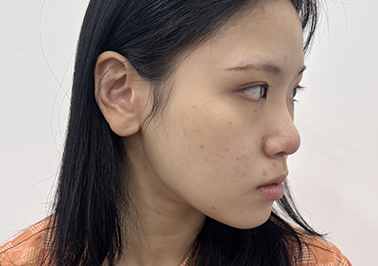
BEFORE

AFTER 4 Months
AFTER
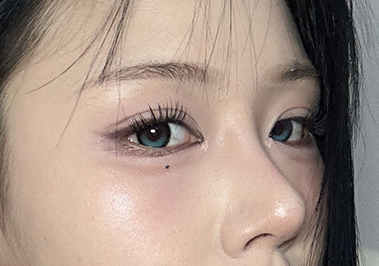
AFTER 5 Months
BEFORE
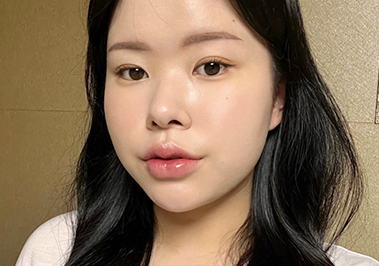
BEFORE
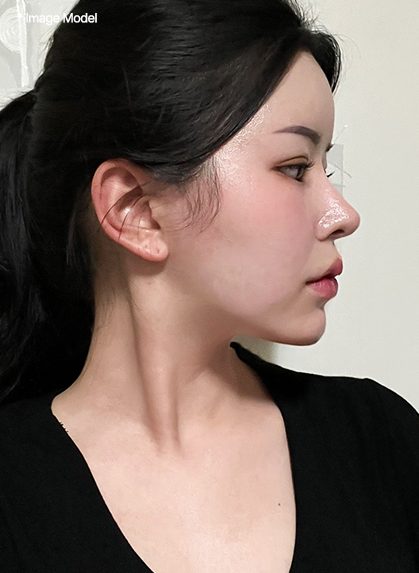
AFTER 5 Months
AFTER

AFTER 3 Months
* Results of surgery may vary depending on the individual, and there may be side effects such as
haemorrhaging,
inflammation, etc.
* This image features an actual patient of VIEW Plastic Surgery and is published with their consent.
VIEW Plastic Surgery’s

Since every individual has unique facial features and
proportions, simply raising the nose bridge is not enough.
At VIEW, we perform a detailed, multidimensional analysis of
each patient's overall facial structure, including the proportion of
features, forehead-to-nose angle, and nasolabial angle.
Using this analysis, we design the most suitable line for each individual,
determining the ideal height for the bridge and tip.
With carefully selected implants, we aim to achieve long-lasting, natural-looking
results with minimal risk of deformation that deliver high satisfaction over time.
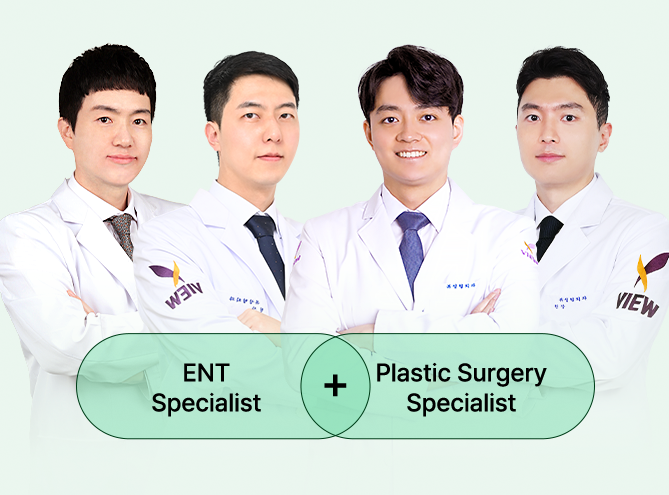
VIEW Plastic Surgery offers a collaborative system between
plastic surgeons and ENT specialists. Through 3D-CT and
endoscopic diagnosis, we address discomfort caused by
nasal conditions such as nasal congestion, rhinitis, and
sinusitis, while refining the nose line to create a more
defined and harmonious appearance.
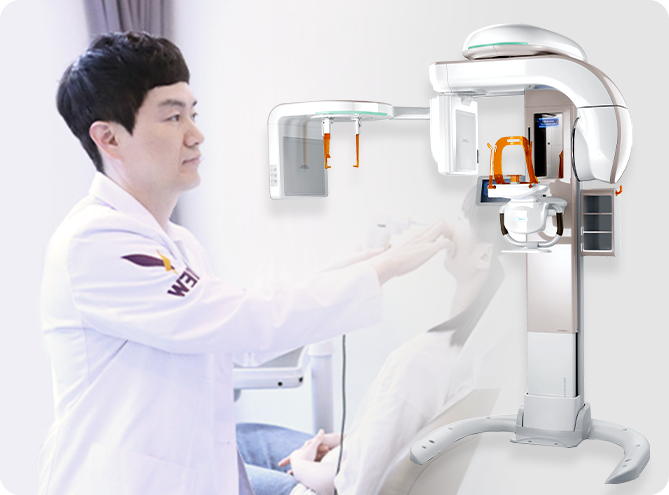
Through detailed examinations of the internal nasal structure and tissue
using 3D-CT and endoscopy, we accurately diagnose hidden issues.
Based on these findings, we identify the exact causes and develop a
personalized 1:1 surgical plan tailored to each patient.

Depending on the shape of the nose and the degree of change desired,
we select the most suitable prosthetic material, from implants to autologous tissue,
to perform a fully customized procedure. Experienced plastic surgeons with in-depth
knowledge of the characteristics, advantages, and disadvantages of
all materials develop the optimal surgical plan for each patient.
There is no fixed answer in rhinoplasty. At VIEW Plastic Surgery, we do not perform the same surgery
on everyone. With the rich expertise and aesthetic sense of our dedicated rhinoplasty specialists, we focus
on each
individual patient, considering their desired improvements, facial structure, and current condition to
create the ideal
nose line for them.
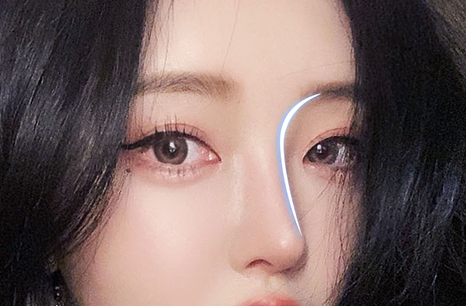
Straight Line
01
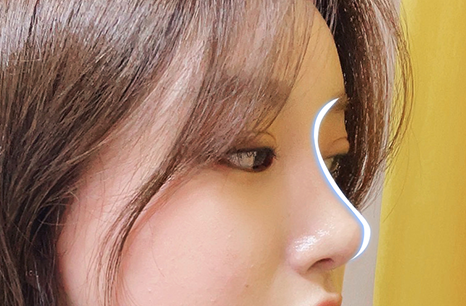
Semi-Curved Line
02

Straight-Semi Line
03
VIEW Rhinoplasty Surgery

Step 01 →
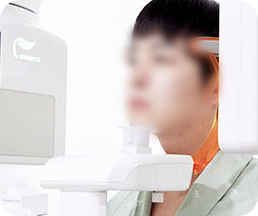
Step 02 →

Step 03 →
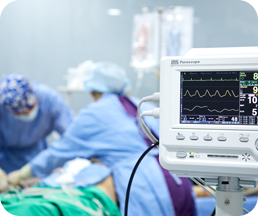
Step 04 →

Step 05 →
Step 01 →
Step 02 →
Step 03 →
Step 04 →
Step 05 →
For Healthy and Beautiful Results


01


02


03


04
* Aftercare plans are personalized based on individual conditions.
VIEW Premium After Care Program
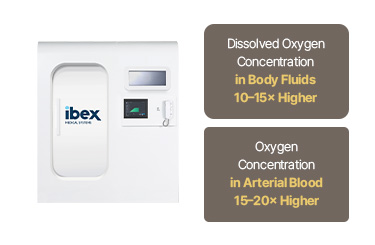
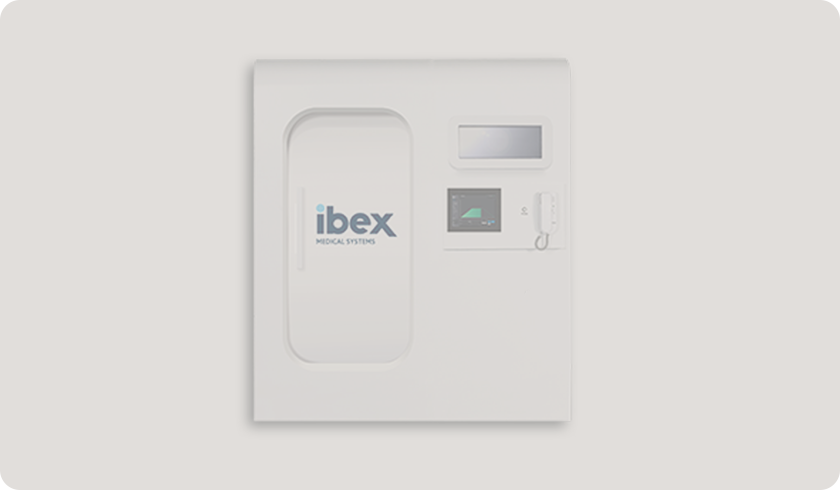
The upgraded Seated Type Hyperbaric Oxygen
Chamber offers dual modes
and higher oxygen
concentration to reduce inflammation
and promote faster recovery.
■ Upgraded Features
1 / 10
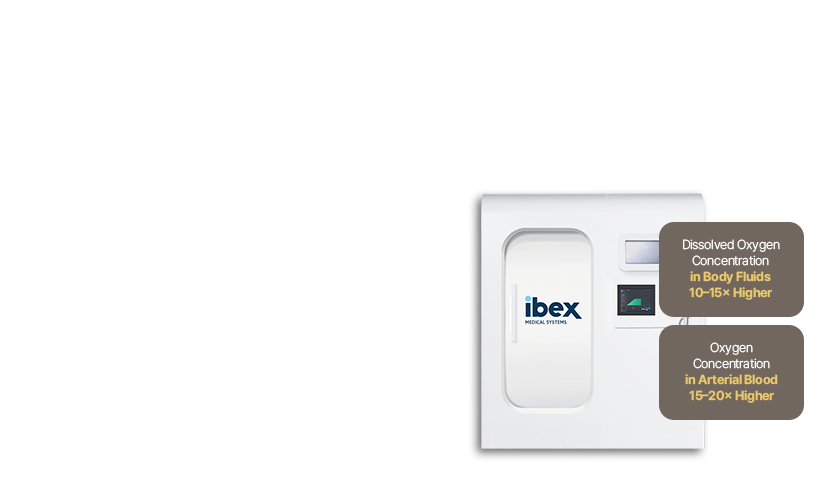
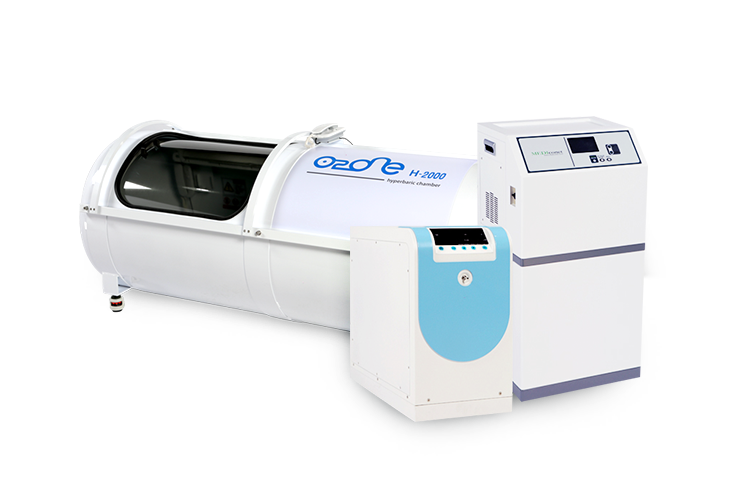
A premium recovery program that enhances healing and regeneration
by delivering high-pressure, oxygen-rich air to damaged tissues.
2 / 10
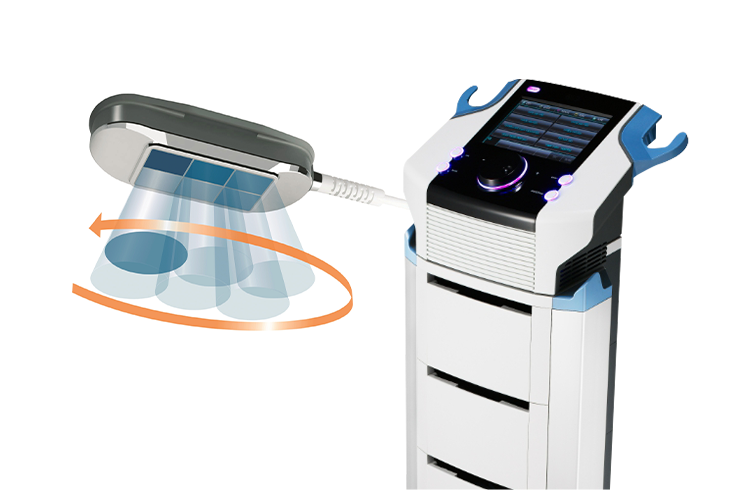
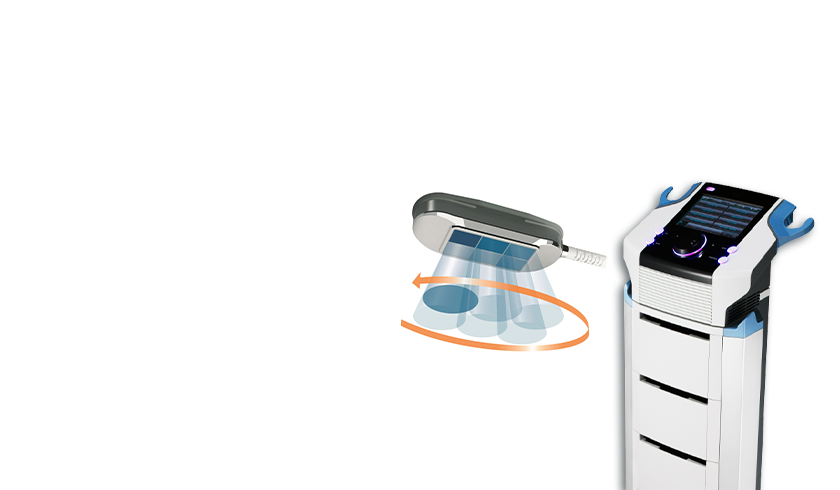
Ultrasonic micro-massage technology, it promotes blood and lymph circulation in the chest,
quickly reducing swelling and bruising and preventing capsular contracture by
addressing scar tissue early.
3 / 10
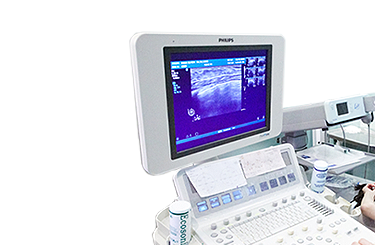
Examinations to detect breast cancer or abnormalities, identifying even the smallest lumps.
This allows for post-surgery monitoring of implant conditions, including rupture,
capsular contracture, and inflammation.
4 / 10
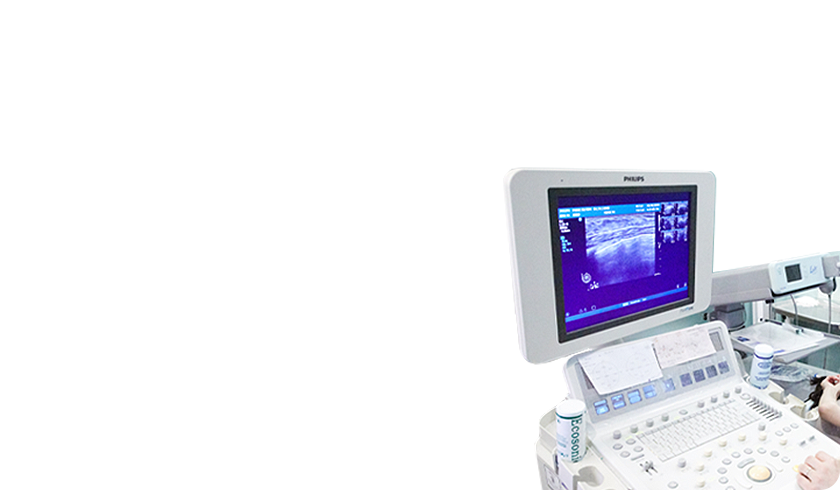
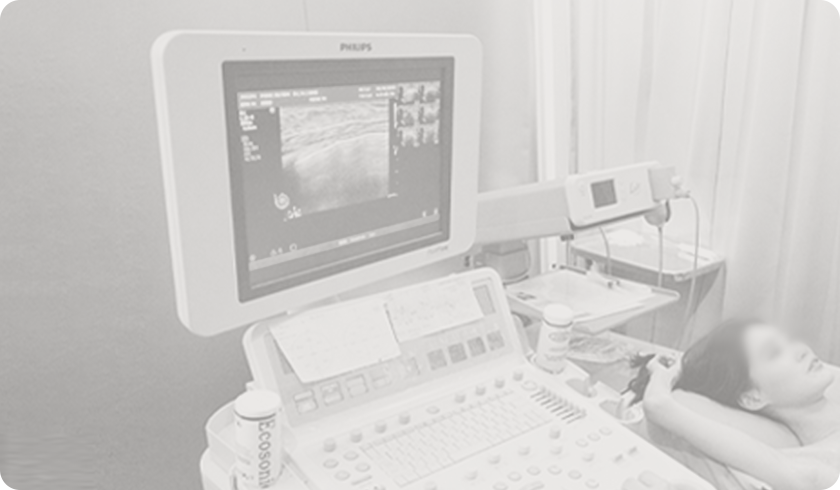
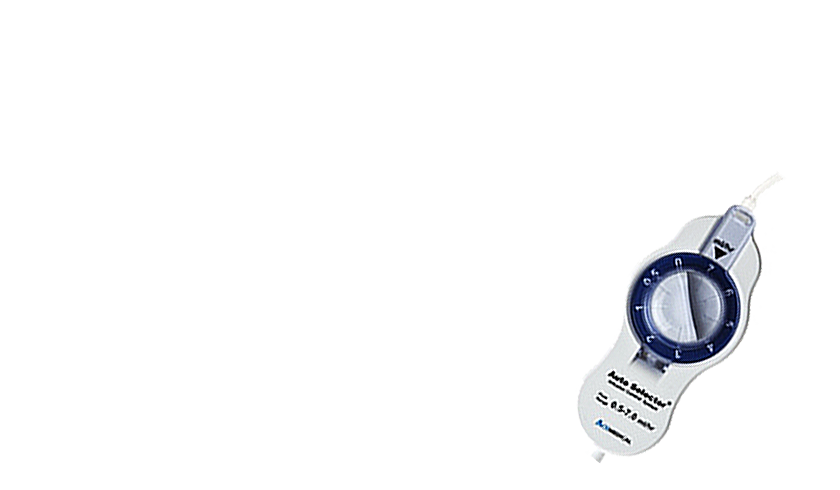
A PCA device allows patients to self-administer small doses of pain relief medication
whenever needed, ensuring effective pain management during recovery.
5 / 10
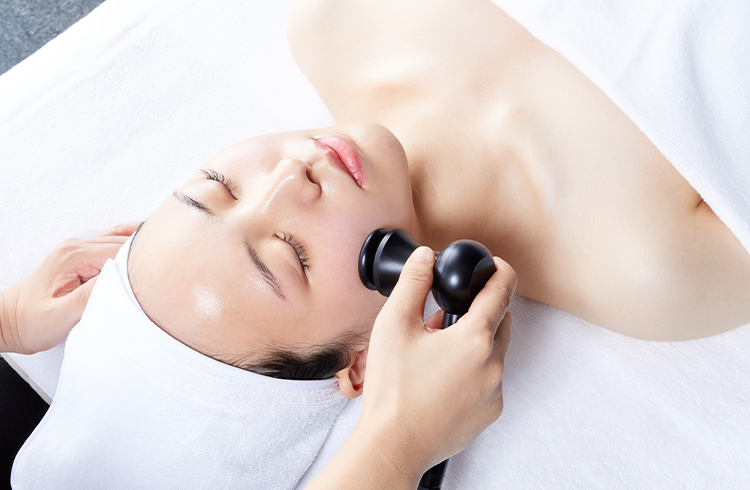
RF therapy promotes blood circulation and
facilitates waste elimination through the lymphatic system,
minimizing post-surgical swelling and bruising.
6 / 10
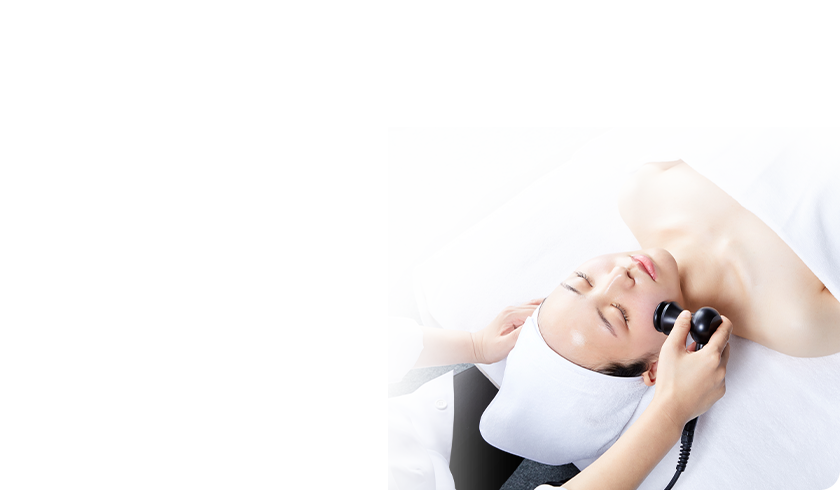
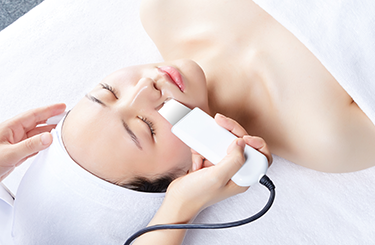
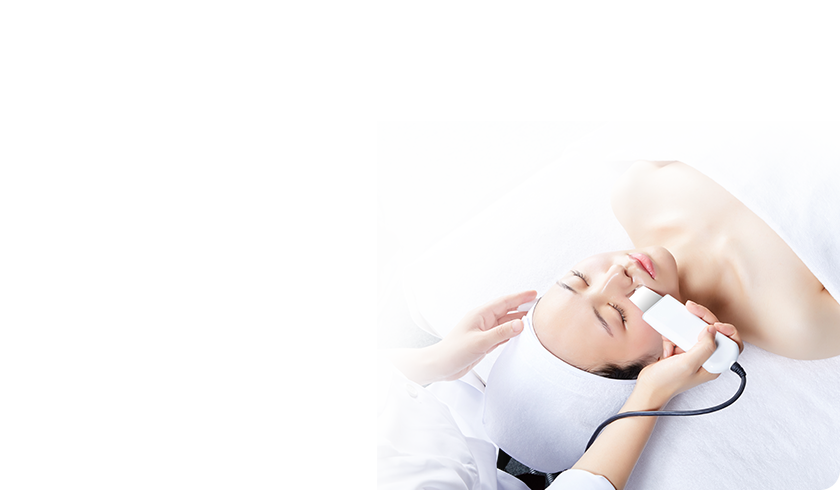
Cleansing treatments remove dust, oil, and impurities from the skin’s surface,
while the skin scrubber eliminates dead
skin cells, leaving your skin clear, radiant, and glowing.
7 / 10
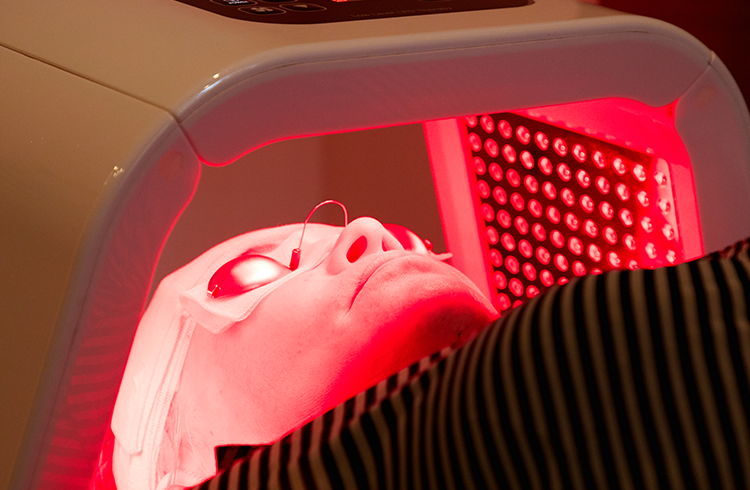
APL is an LED light therapy device with five wavelengths. Treatments are customized by
mixing different wavelengths to suit individual symptoms.
8 / 10
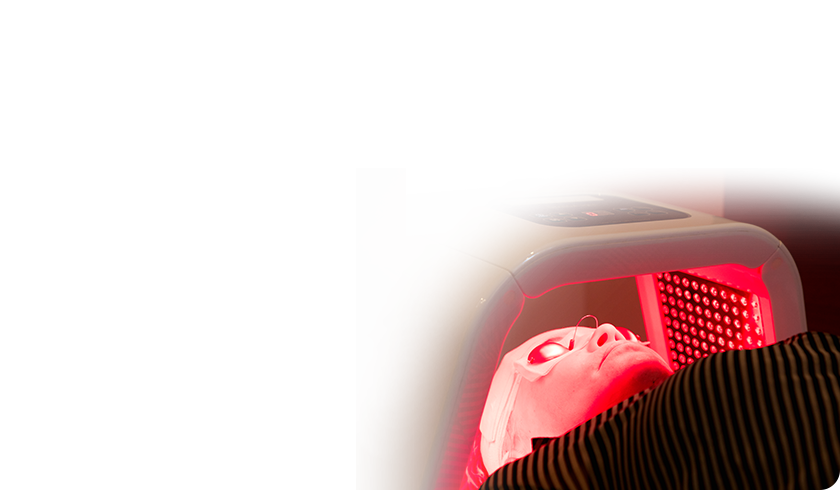
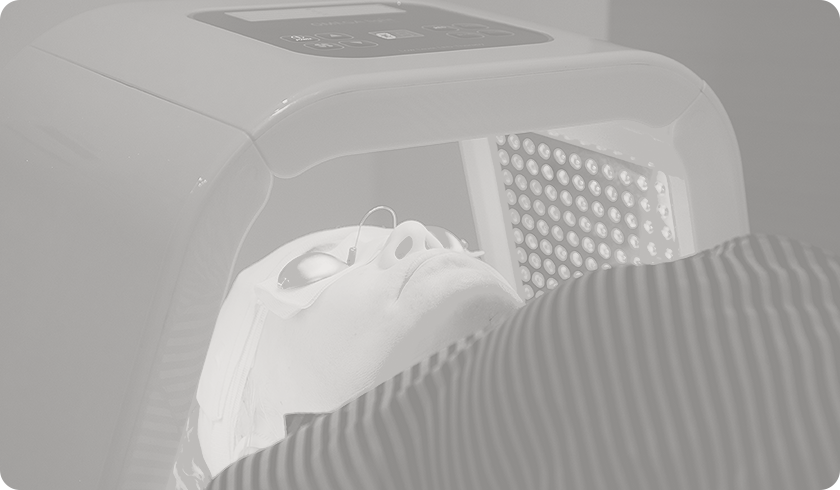

A tailored care program to improve post-surgical scars, designed to suit individual needs.
9 / 10
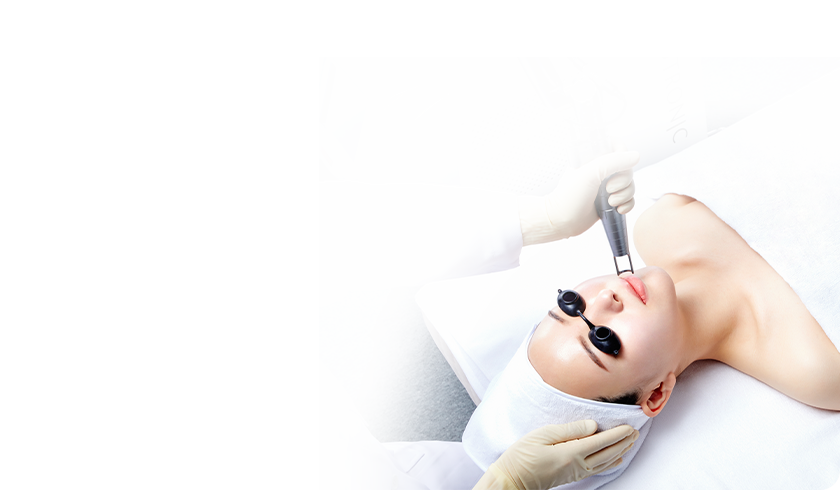
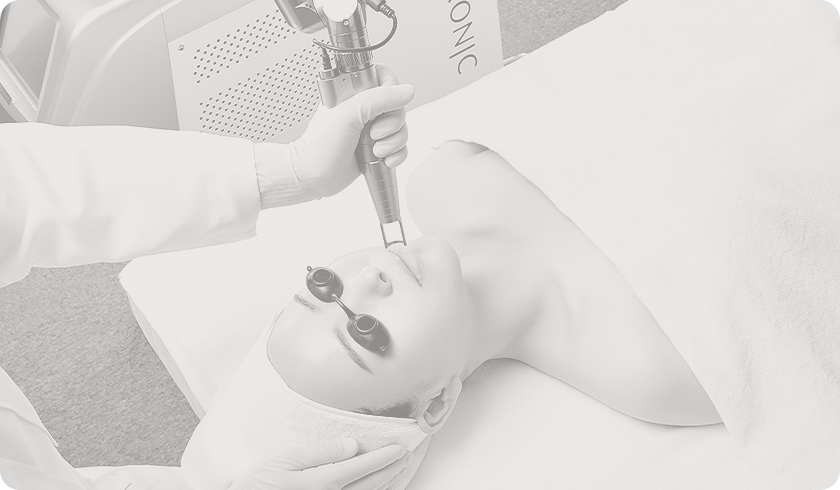

To ensure effective home care, we provide pumpkin juice,
scar ointments, compression bras, custom compression & garments
hot/cold packs
10 / 10
* Aftercare plans are personalized based on individual conditions.

We provide self-care education and
products to help reduce swelling.

We provide personalized aftercare based
on individual recovery speed to aid in
faster and healthier recovery.

The attending physician who
performed the surgery carefully
checks the recovery progress.


We provide personalized designs that harmonize with your overall facial features and
ensure a seamless,
one-stop process from pre- and post-operative examinations to surgery,
recovery, and aftercare, delivering safe and highly satisfying rhinoplasty results.
View More →


AFTER 1 Month

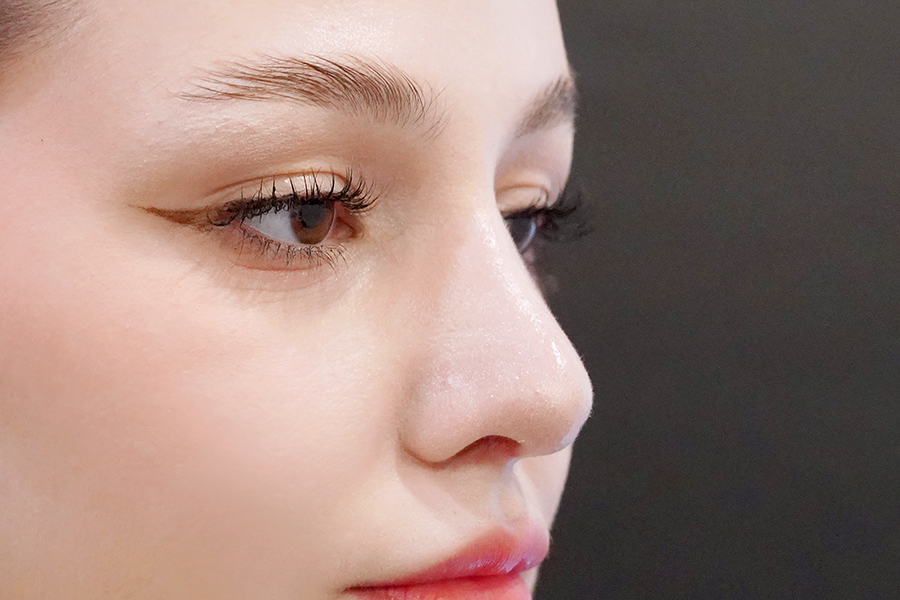
AFTER 1 Month
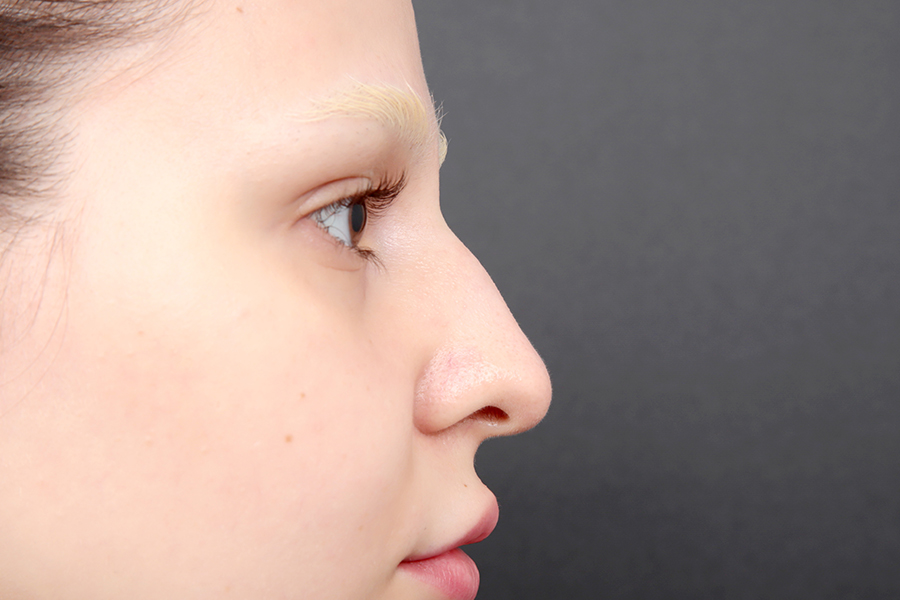
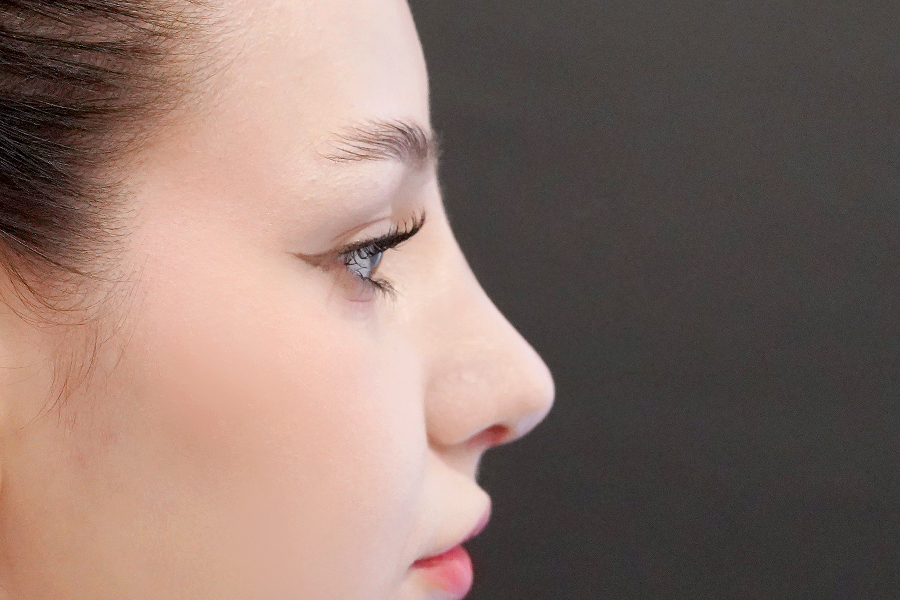
AFTER 1 Month


AFTER 3 Months


AFTER 3 Months


AFTER 3 Months


AFTER 1 Year 3 Months


AFTER 1 Year 3 Months


AFTER 1 Year 3 Months


AFTER 3 Months


AFTER 3 Months


AFTER 3 Months


AFTER 5 Months


AFTER 5 Months


AFTER 5 Months


AFTER 1 Month


AFTER 1 Month
* Results of surgery may vary depending on the individual, and there may be
side effects such as
haemorrhaging,
inflammation, etc.
* This image features an actual patient of VIEW Plastic Surgery and is published with
their consent.
The recommended technique (open or closed rhinoplasty) depends on your nasal structure, skin thickness, and surgical goals. The surgeon will evaluate your nose during consultation and recommend the most appropriate method for your case.
For rhinoplasty, the nasal bridge is usually augmented with an implant, while the nasal tip and columella (nasal support pillar) are typically shaped using autologous cartilage.
Autologous cartilage may be taken from the septum, ear, or rib, depending on the surgical needs and available cartilage.
The surgeon analyzes your facial proportions, nasal structure, and profile balance during consultation. Measurements and facial harmony principles are used to determine the ideal bridge height and tip projection that best match your overall facial features.
Synthetic implants such as silicone are commonly used and generally safe. However, rare risks can include infection, implant shifting, or extrusion over time. Proper surgical technique and post-operative care help minimize these risks.
Yes. The nostril shape can change slightly as swelling decreases and the tissues settle during recovery.









* Results of surgery may vary depending on the individual,
and there may be side effects such
as haemorrhaging,
inflammation, etc.

Weekday
AM 10:00 - PM 7:00Friday
AM 10:00 - PM 9:00 (Late Treatment)Saturday
AM 10:00 - PM 5:00Business Name : VIEW Plastic Surgery | CEO : Choi Soon Woo |
License No. : 220-08-86777 |
Fax : 02-539-1132
Copyright © VIEW Plastic Surgery. All rights reserved.



< back
View Plastic Surgery (hereinafter referred to as “head office”) considers personal information protection on the Internet very important and is doing its best to ensure that the personal information provided to users is protected when using the head office. Accordingly, we have created and followed personal information processing policies based on relevant laws and regulations that information and communication service providers must comply with, such as the Communication Secret Protection Act, the Telecommunications Business Act, and the Information and Communication Network Utilization Promotion Act. This personal information processing policy can be changed from time to time due to changes in laws and guidelines of the Korean government or changes in our internal policy, and if there is any change, this policy immediately reflects the relevant information on the initial screen of the website. Through this personal information processing policy, users will be able to understand what purpose and method the collected personal information is used and how it is safely protected. (Additional documents or procedures may be required for the smooth application of this policy.)
1. Items and methods of collecting personal information to be collected.
2. Purpose of collecting and using personal information.
3. Providing and sharing personal information.
4. Period of retention and use of personal information.
5. Procedures and methods for destroying personal information.
6. Rights of users and legal representatives and methods of exercising them.
7. How to withdraw consent/withdraw membership.
8. Matters concerning the installation/operation of an automatic personal information collection device and
its refusal.
9. Operation and management policy of video information processing equipment (CCTV)
10. Matters concerning measures to secure the safety of personal information.
11. Person in charge of personal information management.
12. Obligation to notify according to policy changes.
13. Consignment of personal information handling collected.
This application collects only the minimum amount of personal information necessary to use the service when
signing up
for membership. The information collected to use this
application’s service includes mandatory and optional items entered when signing up for membership, and
there is no
restriction on service use even if you do not enter options such as
whether you receive mail.
A. Items collected during medical treatment.
- Required items: Name (Hangul), address, contact information
- Health information: Personal health information deemed necessary by medical staff to provide medical
services such as
medical history and family history.
※ It is mandatory to have unique identification information and medical information under the Medical
Service Act.
(We do not obtain separate consent for the collection of medical information.)
B. Items collected when signing up for membership on the website.
- Required items: ID, password, name, e-mail, contact number.
- Choice: Gender, region.
- Sensitive Information: Past medical history, surgical history, and areas of interest in surgery.
- The following information can be automatically generated and collected without the user’s consent during
the service
use process or service provision process.
(Service usage record, access log, cookie, access IP information)
- Identification (Cellphone authentication/i-pin authentication): name, identification value, i-pin member
has an i-pin
number, date of birth, gender, ID, password, contact information
(mail address, mobile phone number), legal representative information for those under 14 years of age, and
subscription
authentication information.
C. Items collected when collecting medical expenses.
- When paying with a credit card: Card payment approval information such as card company name and card
payment approval
information
D. How to collect personal information.
- Collect personal information in the following ways.
Homepage (member registration, online reservation, consultation application, event application, model
application),
written form, fax, telephone, e-mail.
This application utilizes the collected personal information for the following purposes. All information
provided by the
user is not used for any purpose other than the following purposes,
and if the purpose of use changes, prior consent will be sought.
- Identification procedures for medical treatment, examination, reservation inquiry, and medical treatment –
Services
for diagnosis and treatment
- Administrative services such as billing, payment, and refund of medical expenses.
- Sending medical expenses invoices, statements, certificates, or sending drug (goods) results.
- Providing medical information to other medical institutions that have been requested or returned.
- Securing a path of communication to help deliver notices, handle complaints, and grievances.
- Data for online counseling and response processing.
- Information on new services and events.
- Legal and administrative responses and measures for quality management of medical care and operation of
the
headquarters.
- Minimum analysis data needed for education and research.
- Information on medical treatment, academic information, and information on the original application.
- Use of reference materials for smooth service provision during counseling and treatment.
- Collecting information for consumers pursuant to Article 52 of the Framework Act on Consumers.
This application shall not use or provide your personal information to others, other companies, or
institutions beyond
the scope notified by the “Personal Information Collection and Use
Purpose” in any case, except in accordance with your consent or provisions of relevant laws.
However, exceptions are made in the following cases.
- If the users agree to disclose it in advance,
- In a case where there is a request from an investigative agency in accordance with the provisions of the
statutes or
in accordance with the procedures and methods prescribed in
the statutes for investigative
- In the case where it is necessary for statistics preparation, academic research, or market research, and a
specific
individual is processed and provided in an unrecognizable form.
This application will destroy your personal information without delay when the purpose of collecting or
receiving
personal information is achieved.
A. In the case of membership information, personal information is destroyed after one year from the final
login date
when a member withdraws from membership or is expelled.
(Personal Information Protection Act)
B. Where collected for the purpose of surveys, events, etc.: When the relevant surveys, events, etc. are
terminated.
C. Where collected for medical purposes: Preservation in accordance with the period specified in Article 15
of the
Enforcement Rule of the Medical Service Act.
D. Records of consumer complaints or disputes: 3 years (Act on Consumer Protection in Electronic Commerce,
etc.)
E. Records on the collection/processing, use, etc. of credit information: 3 years (Act on the Use and
Protection of
Credit Information)
F. Records on identification: 6 months (Act on Promotion of Information and Communication Network
Utilization and
Information Protection, etc.)
G. Records of visits: 3 months (Communication Secret Protection Act)
※ However, even if the purpose of collection or the purpose provided is achieved, your personal information
may be
retained if it is necessary to preserve it in accordance with the
provisions of laws such as the Commercial Act.
This application will be destroyed immediately after the “purpose of collecting and using personal
information” is
achieved. The procedure and method of destruction are as follows.
A. Destruction procedure.
The information entered by the user for membership registration, etc., is immediately destroyed by the
following method
of destruction after the purpose is achieved.
B. Destruction Period
If the user’s personal information retention period has elapsed, the personal information will be destroyed
within five
days of the end of the retention period, and if personal information
becomes unnecessary, such as achieving the purpose of processing personal information, abolishing the
service, or
termination of the business.
C. Destructing Method
Personal information stored in electronic file format is deleted using a technical method that cannot play
records.
Personal information printed on paper is crushed or incinerated with
a grinder and destroyed.
If a customer requests access, correction, or deletion of personal information, this application faithfully
responds to
the customer’s request and handles it without delay. In order to protect
personal information, procedures for viewing, correction, or deletion of customer personal information by
phone, mail,
FAX, etc. other application methods other than customer visits are
not provided.
A. Accessing personal information.
Customers can visit our office to request access to personal information and respond quickly.
B. Correction/deletion of personal information.
- If a customer requests correction or deletion of personal information, or if it is deemed necessary to
correct or
delete personal information, such as finding that there is an error, this
application shall correct or delete it without delay. This application may request evidence necessary to
confirm the
facts of correction or deletion. We do not use or provide the personal
information until the correction is completed. In addition, if the wrong personal information is already
provided to a
third party, we will notify the third party of the correction process
without delay so that the correction can be made.
- If a customer requests to view, correct, or delete his or her personal information, he or she will be
presented with
an ID card such as a resident registration card, passport, and driver’s
license to check his or her identity.
- If a customer’s agent visits and requests reading, correction, or deletion, check the customer’s power of
attorney,
consent, and identification certificate of the agent to confirm whether
it is a legitimate agent.
- If there is a legitimate reason to refuse to view, correct, or delete all or part of personal information,
this
application notifies the customer and explains the reason.
- Where it is possible to restrict the access or correction of personal information.
- In a case where there is a risk of significantly harming the life, body, property, or rights and interests
of the
person or a third party.
- In a case where there is a concern that it may significantly interfere with the business of the relevant
service
provider.
- Violation of laws, etc.
※ Personal information that is obligated to be stored by law cannot be modified or deleted within the
storage period
even if requested.
You can withdraw your consent to the collection, use, and provision of personal information at any time when signing up as a member. Withdrawal of consent (withdrawal of membership) will take necessary measures, such as logging in (LOG-IN) with your account and withdrawing consent (withdrawal of membership) directly through “delete account” or contacting a personal information officer without delay.
In order to provide specialized customized services to users, we use “cookie” that stores and frequently
calls users’
information. Cookies are sometimes stored on a PC hard disk with
a small amount of information that a website sends to a user’s computer web browser.
A. The purpose of using cookies.
- Cookies identify users’ computers, but do not identify individual users individually. This cookie allows
users to
create more convenient services by identifying the types of visits and
uses for each service they visit, and the size of users.
- Users can adjust the web browser’s options to choose whether to use cookies or not. In other words, you
can accept all
cookies, send a notification when they are installed, or reject all
cookies.
- However, users must allow cookies to use the service by logging in (LOG-IN) after accessing this
application.
B. Installation/operation and rejection of cookies.
- Users have the option of installing cookies. Therefore, users may allow all cookies by setting options in
a web
browser, go through verification whenever they are saved, or refuse to
save all cookies.
- As a way to refuse to set up cookies, you can allow all cookies, go through confirmation every time you
save them, or
refuse to save all cookies by selecting the options in the web
browser you use.
- How to set it up. Yes.
• For Internet Explorer: Tools menu > Internet Options > Personal Information > Settings at the top of the
web browser
• In the case of Chrome: Settings menu on the right side of the web browser > Display advanced settings at
the bottom of
the screen > Set personal information content > Cookies
- However, if you refuse to save cookies, it may be inconvenient to use some of our services that require
login.
In order to secure safety so that the customer’s personal information is not lost, stolen, leaked, altered,
or damaged,
the following technology. We are taking management measures.
[Minimization and training of personal information handling staff]
We minimize the designation of personal information handlers and provide regular training.
[Regular self-inspection]
In order to secure stability related to personal information handling, we regularly conduct self-inspection
at least
once a month.
[Established and implemented an internal management plan]
For the safe processing of personal information, we have established and implemented an internal management
plan.
[Personal information encryption]
Among the users’ personal information, passwords are encrypted, stored, and managed, so only you can know,
and important
data uses separate security functions such as encrypting
files and transport data.
[Technical measures against hacking]
To prevent personal information leakage and damage caused by hacking or computer viruses, security programs
are
installed, periodic renewal and inspection, systems are installed in
areas where access is restricted from the outside, technically and physically monitored and blocked.
[Limited access to personal information]
It takes necessary measures to control access to personal information through granting, changing, and
canceling access
to the database system that processes personal information,
and controls unauthorized access from outside using the intrusion blocking system.
[Controlling access to unauthorized persons]
There is a separate physical storage place for personal information systems that store personal information,
and access
control procedures are established and operated.
Through this policy, we will inform you of the purpose and method of using and managing the video
information processed
by this office.
The basis and purpose of installation of the video information processing device.
In accordance with Article 25 (1) of the Personal Information Protection Act, this application installs and
operates
video information processing devices for the following purposes.
– Facility safety and fire prevention.
– Crime prevention for customer safety.
(In the case of installation in the parking lot)
– Prevent car theft and damage.
※ In the case of a size exceeding 30 parking lots, it can be installed/operated based on Article 6 (1) of
the
Enforcement Rule of the Parking Lot Act.
The number of installations, location, and filming range.
| The number of installations. | Installation range. |
| 72s. | Installation of passages and customer waiting rooms on each floor. |
Person in charge of management and access authority.
In order to protect your video information and handle complaints related to personal video information, we
have a
personal video information protection officer as follows.
| In charge of | Name |
| Person in charge of protection. | Jeong Unhyun, head of the department of law. |
| The person who has access to it. | Manager Shim Sang-gu. |
Filming time, storage period, storage place, and processing method of video information.
| Recording Time | storage period | storage place |
| 24hour | For up to 60 days from the date of recording | Storage by floor. |
Processing method: Records/management of requests for use, provision, destruction, and viewing of personal
video
information other than the purpose, and permanently deletes
(crushing or incinerating printouts) in a way that cannot be restored at the expiration of the storage
period expires.
Matters concerning consignment of installation and management of video information processing devices,
etc. (only if
applicable)
This office entrusts the installation and management of video information processing devices as follows, and
stipulates
necessary matters to ensure safe management of personal
information during consignment contracts in accordance with relevant laws.
| Trustee. | The person in charge |
| S1 Co., Ltd. | Manager Shim Sang-gu. |
Filming time, storage period, storage place, and processing method of video information.
Matters concerning the method and place of confirmation of personal image information.
- Method of verification: Contact the person in charge of video information management in advance and check
it in the
conference room on the 5th floor under the presence of the
person in charge.
- Location: Meeting room on the 5th floor.
Measures for requests such as viewing video information by the data subject.
You can request the person in charge of managing the video processing device at any time if you want to
view, verify, or
delete personal video information. However, it is limited to the
personal image information you have filmed and clearly personal image information necessary for the benefit
of the
urgent life, body, and property of the data subject. If we request to
view, confirm, or delete personal video information, we will take necessary measures without delay.
Measures to secure the safety of video information.
Video information processed herein is safely managed through encryption measures. In addition, this office
provides
differential access to personal information as a management measure
to protect personal image information, and records and manages the creation date of personal image
information, purpose
of viewing, viewer, and viewing date to prevent forgery or
alteration of personal image information. In addition, locks are installed for safe physical storage of
personal image
information.
Matters concerning the change in the operation/management policy of the video information processing
device.
This video information processing device operation/management policy was enacted on July 1, 2019, and if
there are
additional, deletion, or modification of the contents due to changes
in laws, policies, or security technology, we will notify you of the reasons and contents through our
website at least 7
days before implementation.
In order to protect your personal information and handle complaints related to personal information, we
have a personal
information protection officer as follows.
[Personal information protection manager]
Director of Protection: Jeong Unhyun, Director of Legal Affairs.
Accessor: Director Shim Sang-gu.
Affiliated: View Plastic Surgery/View Partners Co., Ltd.
Phone number: 02-2138-1305
Email: itservice@viewclinic.com
You can report all personal information protection-related complaints to the person in charge of personal
information
protection by using our service.
This application will respond quickly and sufficiently to users’ reports.
If you need a report or consultation on other personal information infringement, please contact the
institution below.
Personal Dispute Mediation Committee (http://www.1336.or.kr / 1336)
The Supreme Prosecutors’ Office Cybercrime Investigation Team (http://www.spo.go.kr / (02) 3480-3573)
National Police Agency Cyber Terror Response Center (http://www.ctrc.go.kr / (02) 392-0330)
This personal information processing policy was enacted on August 31, 2015, and we will notify you of the reason and contents of the change through our website at least 7 days before implementing the personal information processing policy if there is any addition, deletion or modification of the law, policy, or security technology.
In order to improve services, the entrusted company collects and analyzes members’ personal information,
and the
relevant laws stipulate necessary matters to ensure that personal
information is safely managed when signing a consignment contract.
- Post matters related to the trustee, scope of trust, scope of shared information, etc. through e-mail,
phone, or
homepage.
- In the case of a consignment contract, the service provider’s strict instructions on personal information
protection,
confidentiality of personal information, and prohibition of provision to
third parties are stipulated, and the contract details are kept electronically.
In order to implement the service, we entrust personal information as follows, and in accordance with
relevant laws and
regulations, we stipulate necessary matters to ensure that
personal information can be safely managed when signing a consignment contract. The details of the personal
information
consignment processing agency and consignment work of this
application are as follows.
| Trustee. | Contents of consignment work. | Consigned personal information. | Personal information retention period. |
| View Partners Co., Ltd. | Manager Shim Sang-gu. | ||
| S1 Co., Ltd. | Manage all areas other than medical care for visual plastic surgery. |
Name, mobile phone, date of birth, gender, address, e-mail, home phone number, protected natural place. |
Until the end of the consignment contract. |
| Cafe 24 Co., Ltd. | Hosting the homepage. | ID, password, name, e-mail, contact number, date of birth, gender, whether or not the surgery is performed, and when the surgery is performed. |
Until the end of the consignment contract. |
| THN㈜Neo SoftBank Co., Ltd. | Manage all areas other than medical care for visual plastic surgery. |
Name, date of birth, occupation, address, mobile phone number, date of surgery, name of surgery, history of surgery, whether or not drugs are being taken. |
Until the end of the consignment contract. |
This office stipulates and manages to comply with personal information protection-related laws and regulations, confidentiality of personal information, prohibition of provision to third parties, consignment period, and obligation to return or destroy personal information after processing. Announcement date: October 21, 2021. Enforcement date: October 28, 2021.
1. 2012 (Applied from April 1, 2012 to September 10, 2019)
2. 2021 (Applied from September 10, 2019 to October 27, 2021)
Agreement