





VIEW Plastic Surgery

Personalized solutions
tailored to your hair condition

VIEW
Hair Transplant

Free Consult Now →
model model * AI Generated Model
i Surgery Information
  • Surgery Duration Female Hairline : ~ 3 hours
    Male Hairline : ~ 4 hours
    Male M-shaped Hairline : ~ 4 hours
    Crown Hair Loss : ~ 4-5 hours
  • Anesthesia Method Sedation
  • Stitch Removal 2 weeks after surgery
  • Follow-up Visits Approximately 3-4 times
  • Shampooing The day after surgery

When it comes to hair transplants, VIEW is an art!

VIEW Hair Transplant

At VIEW, hair transplantation is more than just filling in thinning areas.
We carefully design each procedure by considering the type of hair loss, individual facial structure, angles, and proportions.
Our approach ensures that transplanted follicles are properly placed and maintained, promoting healthy hair growth.
img

VIEW Hair Transplant is
ideal for those who:

  • 01

    Want natural results and fast recovery
  • 02

    Desire high-volume transplantation in specific areas with
    preferred hairline shapes
  • 03

    Seek dense and voluminous hair restoration
  • 04

    Prefer minimal scarring and high graft survival rates

VIEW Hair Transplant

Key Points!
  • High Graft
    Survival Rate

    icon
  • Optimal Density
    icon
  • Natural-Looking
    Results

    icon
  • Hidden Scar Suturing
    for Minimal
    Visible Scarring

    icon
  • Safe Anesthesia
    System

    icon
  • Hospital-Grade
    Medical Equipment
    & Facilities

    icon
  • Strict Infection Control

    icon
  • Personalized
    Aftercare

    icon

VIEW Hair Transplant

Causes of Hair Loss

Male Hair Loss

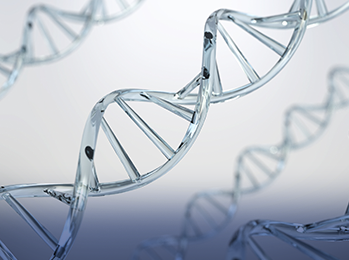
The primary cause of male hair loss is the hormone DHT (Dihydrotes-tosterone),
which shrinks hair follicles and leads to hair shedding. Additionally,
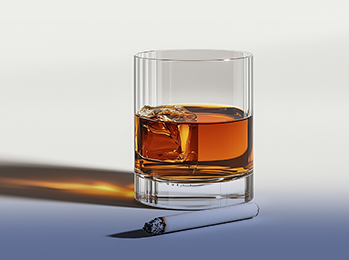
stress, alcohol consumption, smoking, poor diet,
improper hair products, and aging can contribute to the
development or worsening of male pattern baldness.

What is DHT?

DHT (Dihydrotestosterone) is a male hormone that is
produced when testosterone interacts with the
enzyme 5-alpha-reductase. This hormone can shrink
hair follicles, leading to miniaturization of the hair and
eventually causing hair loss.
  • img

    Male Hormone & Genetics

  • img

    Alcohol & Tobacco Use

  • img

    Chronic Fatigue & Stress

  • img

    Excessive Dieting

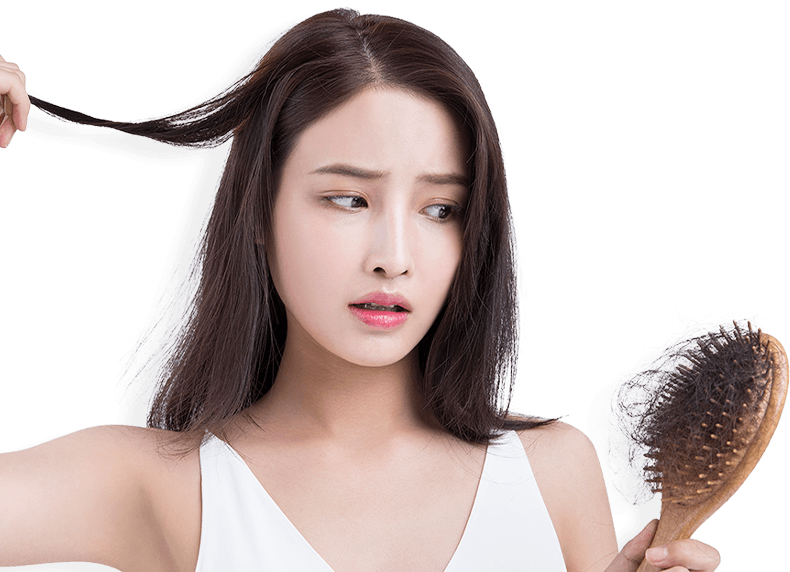
Female Hair Loss

The primary causes of female hair loss include hormonal changes,
severe stress, excessive dieting, and nutritional deficiencies
caused by unbalanced lifestyle habits.
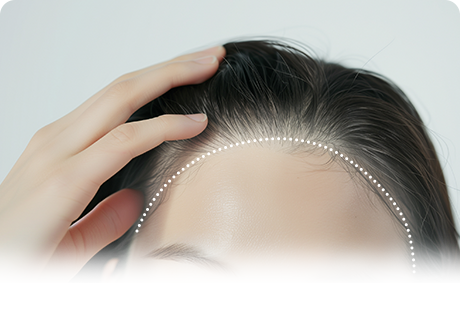
In many women, one of the earliest signs of hair loss is hair miniaturization,
where the hair becomes thinner and less dense.

What is Hair
Miniaturization?

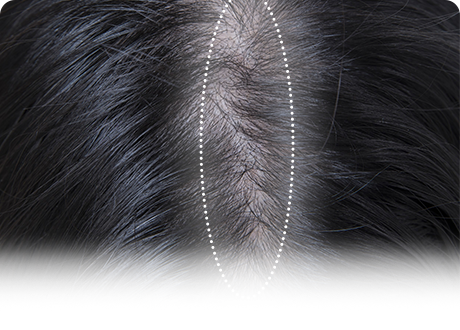
Hair miniaturization is an early symptom of hair loss in
which hair strands become noticeably thinner without
natural causes like aging. When miniaturization progresses,
hair loss typically begins around the part line
and crown area.
  • img

    Genetics & Hormonal Changes

  • img

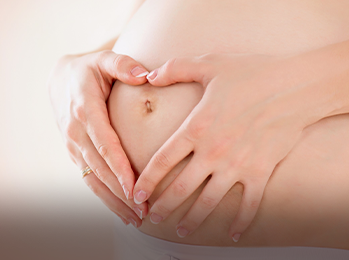
    Pregnancy & Childbirth

  • img

    Chronic Fatigue & Stress

  • img

    Excessive Dieting

VIEW Hair Transplant

Areas

  • img

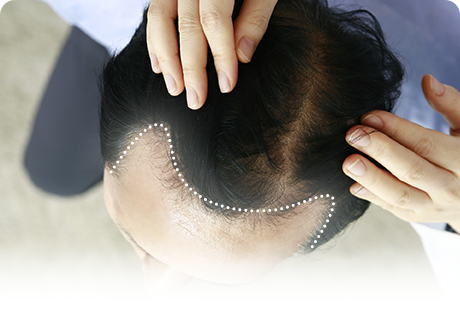
    Hairline

  • img

    Part Line

  • img

    M-shaped Area

  • img

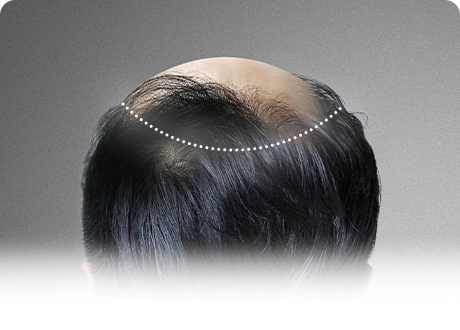
    U-shaped Hairline

  • img

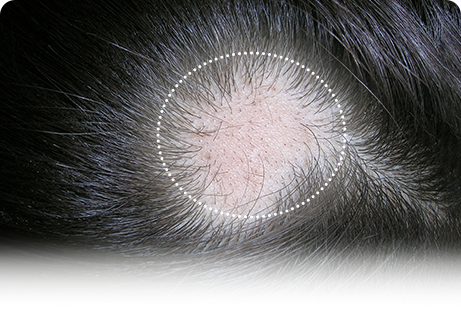
    O-shaped Hair Loss

  • img

    Mixed Type

VIEW Hair Transplant

Techniques

img img

01

Follicular Unit Transplantation

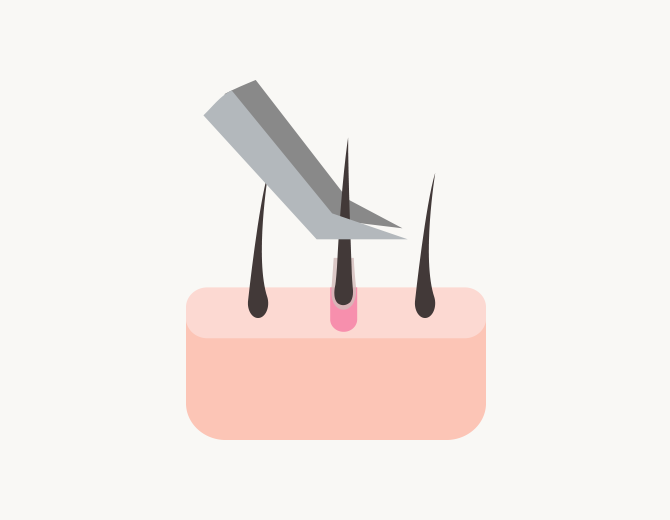
The method of transplanting an entire unit,
which includes the hair and its root structure,
is called Follicular Unit Transplantation (FUT).
Compared to single-hair grafting,
this technique allows for the efficient transfer of a larger
number of hairs in one session.
img img

02

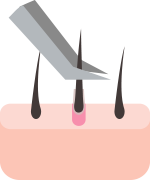
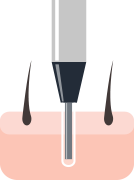
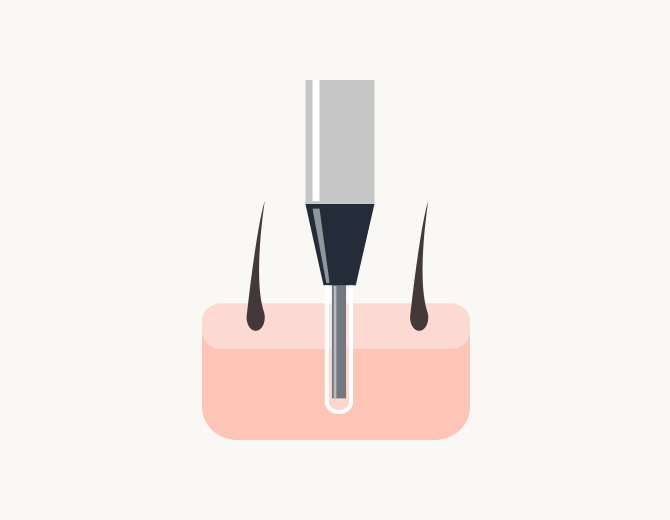
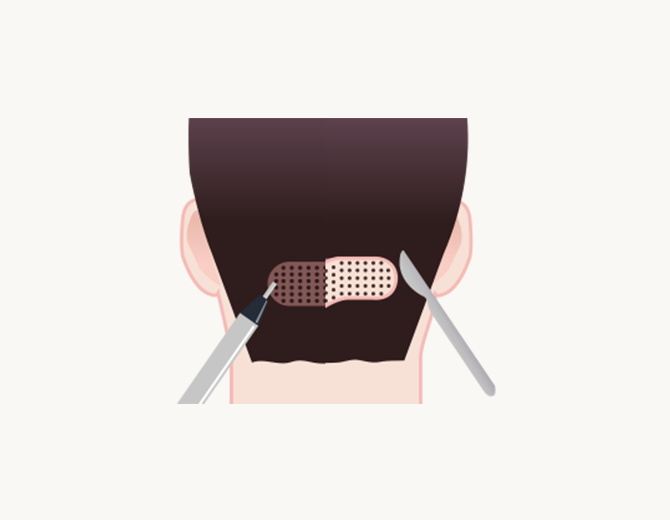
Follicular Unit Extraction

Without shaving or scalp incisions, hair follicles are
extracted in units from the occipital (back of the head)
or temporal (side) areas using a specialized punch tool.
The grafts are then implanted using a slit or implanter device,
without any incision, allowing for faster recovery and
minimal scarring.
img img

03

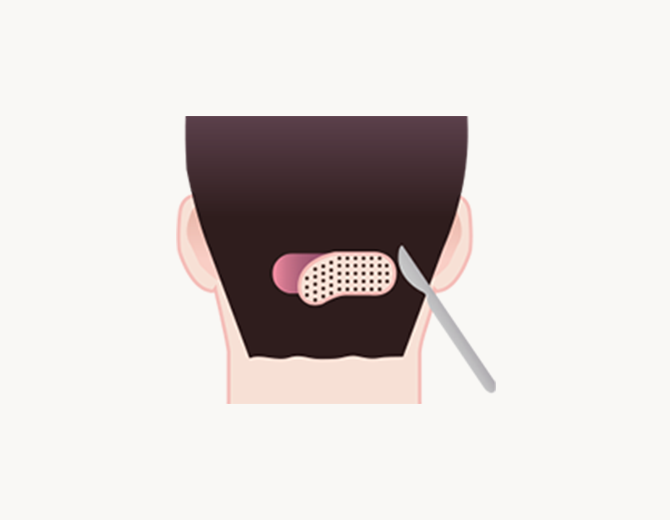
Incisional Method

This method involves making an incision
that extends from the side of the head to the back,
typically around 23 to 24 cm in length.
A strip of scalp tissue is removed, and hair follicles
are visually identified and harvested for transplantation.
img img

04

Combination Method

This method combines both techniques to extract
hair follicles, which are then transplanted.
It is designed to maximize graft yield and adapt to the
patient’s specific hair loss pattern and donor availability.
VIEW Hair Transplant

Hair Transplant
Surgery
Process

At VIEW Plastic Surgery, we offer a dedicated recovery room
for post-transplant care, where our in-house dermatology team
provides a structured aftercare system.

This helps accelerate the healing of damaged tissue and minimizes
concerns about scarring.

STEP 01

In-Depth
Consultation

Assessment of facial
structure, hair loss pattern,
and overall condition.

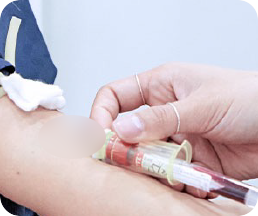
STEP 02

Pre-Surgery
Tests

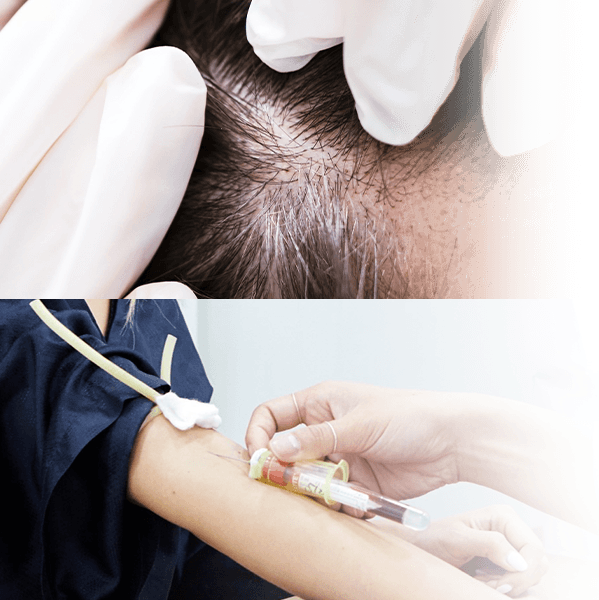
Blood tests and a PSA test
are conducted to ensure
patient safety before
surgery.

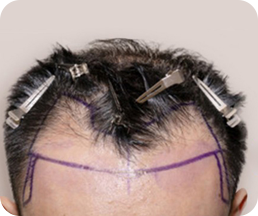
STEP 03

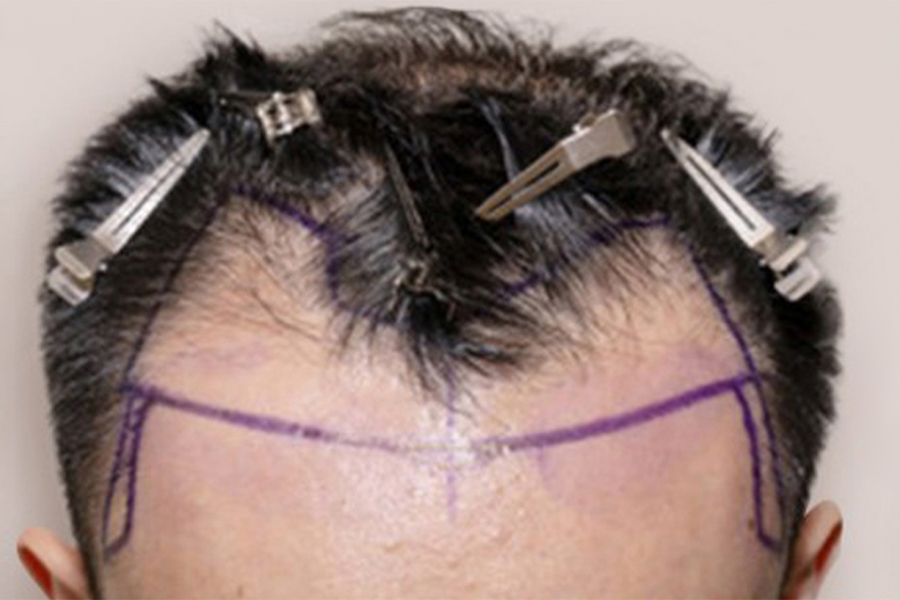
Design & Surgical
Planning

Facial proportions and
transplant area are
measured to create
a personalized design.

STEP 04

Follicle
Extraction

Hair follicles are harvested
using the most suitable
technique for each patient.

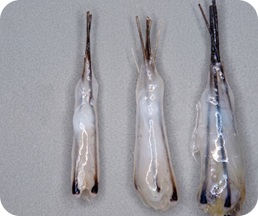
STEP 05

Follicle
Preparation

Extracted follicles are
carefully separated and
prepared for
transplantation.

STEP 06

Follicle
Implantation

Follicles are implanted with
precise control over angle,
direction, density, and
balance for natural results.

VIEW Hair Transplant Surgery

VIEW Plastic Surgery
Hair Transplant Surgery Process

Step01

Step 01

arrow
In-Depth Consultation
Assessment of facial
structure, hair loss pattern,
and overall condition.
Step02

Step 02

arrow
Pre-Surgery Tests
Blood tests and PSA test are
conducted to ensure
patient safety before surgery.
Step03

Step 03

arrow
Design & Surgical Planning
Facial proportions and
transplant area are measured
to create a personalized design.
Step04

Step 04

arrow
Follicle Harvesting &
Preparation
Hair follicles are harvested using
the most suitable technique for
each patient, and then carefully
separated for transplantation.
Step05

Step 05

arrow
Follicle Implantation
Follicles are implanted with
precise control over angle,
direction, density, and balance
for natural results.
Step06

Step 06

arrow
Intensive Aftercare
Regular follow-ups by the
attending surgeon, along with
personalized aftercare for
optimal recovery.
1 / 6
Step01

Step 01

arrow
In-Depth Consultation
Assessment of facial
structure, hair loss pattern,
and overall condition.
Step02

Step 02

arrow
Pre-Surgery Tests
Blood tests and PSA test are
conducted to ensure
patient safety before surgery.
Step03

Step 03

arrow
Design & Surgical Planning
Facial proportions and
transplant area are measured
to create a personalized design.
Step04

Step 04

arrow
Follicle Harvesting &
Preparation
Hair follicles are harvested using
the most suitable technique for
each patient, and then carefully
separated for transplantation.
Step05

Step 05

arrow
Follicle Implantation
Follicles are implanted with
precise control over angle,
direction, density, and balance
for natural results.
Step06

Step 06

arrow
Intensive Aftercare
Regular follow-ups by the
attending surgeon, along with
personalized aftercare for
optimal recovery.

VIEW Hair Transplant

Aftercare Program

* Aftercare plans are personalized based on individual conditions.

Preoperative Tests for Hair Transplant Surgery

img

01

Scalp Elasticity Test
The elasticity of the scalp is measured to determine the optimal horizontal and
vertical dimensions of the donor area for follicle extraction.

02

Hair Density & Thickness Test
Hair density and strand thickness are analyzed to help design the donor area and ensure
effective and balanced graft harvesting.

03

Blood Test
Liver, kidney function, blood glucose levels, electrolyte balance, blood coagulation,
CBC (Complete Blood Count), Vitamin D levels, thyroid function tests (TSH and fT4),
LDL and TG levels are tested. For individuals with a history of anemia, additional tests
such as serum ferritin may be conducted along with the CBC.
PSA (Prostate-Specific Antigen) testing is recommended for men over the age of 45.
For women with a history of gynecological conditions, tests for polycystic ovary
syndrome (PCOS) and endometriosis are recommended.

Hair Transplant Medication Prescription

img

Medication Guidelines for Male Pattern Hair Loss:
Finasteride (e.g., Propecia, Finon) is prescribed on the day of surgery and should be taken consistently.
Dutasteride may be prescribed if needed.

  • - If already taking hair loss medication: continue as usual.
  • - Topical Minoxidil should be stopped 3-4 days before surgery and resumed 1 month after surgery.

* What is
Finasteride?

Finasteride is FDA-approved for treating male pattern baldness and enlarged prostate.
The other FDA-approved hair loss treatment is topical Minoxidil.

VIEW Hair Transplant

Post Hair Transplant
Recovery Guide & Aftercare

img

Graft Setting Period

It takes about 3 weeks for transplanted hair to fully settle. Scabs may begin to fall
off naturally between Day 10 to 15. Do not scratch or forcibly remove scabs, as it
can interfere with graft survival or cause scarring.

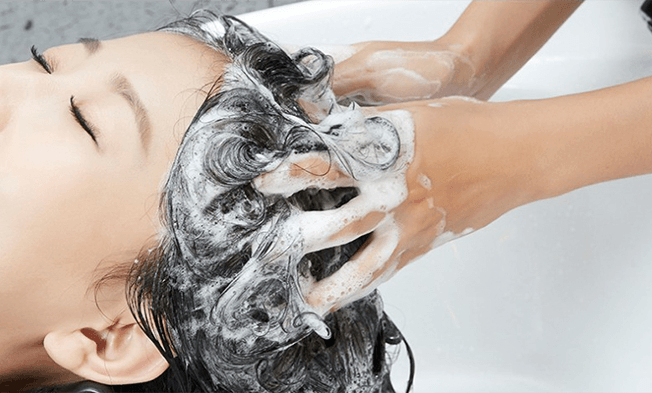
Shampoo & Scab Care (After 2 Weeks)
1. Soak the graft area with lukewarm water to soften scabs.
2. Apply shampoo foam and gently massage using your fingertips in a circular motion.
3. Avoid forceful rubbing; let scabs shed naturally.
img

2 Weeks to 1 Month After Surgery

If you received an incisional hair transplant (FUT),
stitch removal will be performed during this period. The donor and recipient
areas may still appear reddish, as the scalp has not fully regenerated.
This redness typically fades gradually over time,
improving between 3 months to 1 year depending on individual healing.

img

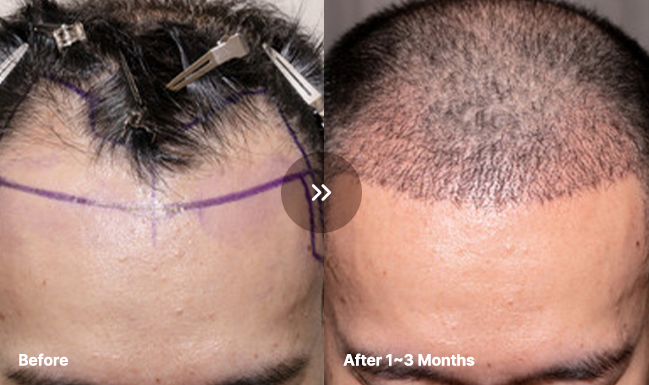
1-3 Months After Surgery

This period is often referred to as the “dormant phase.”
The transplanted area may still show redness, and folliculitis (inflammation)
can occur during this time. Proper scalp care is essential.
If folliculitis develops, additional dressing and oral antibiotics may be required.

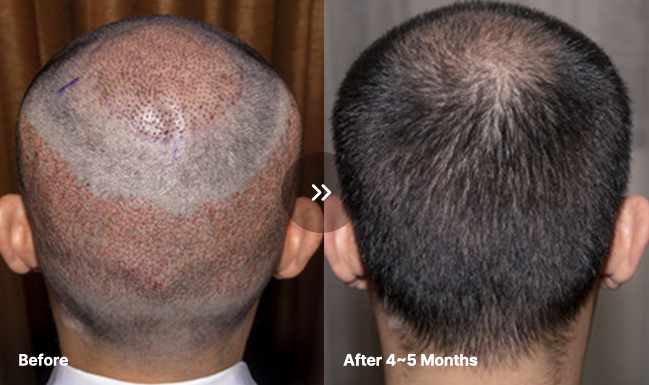
img

4-5 Months After Surgery

The transplanted hair begins to grow during this stage.
Some patients may still feel mild discomfort or sensitivity in the donor area
(back of the head), which is a normal part of healing.
This discomfort gradually improves over time.

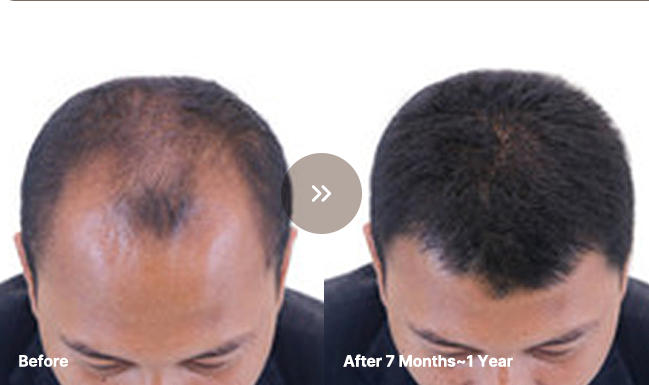
img

7 Months to 1 Year After Surgery

By around 7 months, the transplanted hair typically grows to about 5-7 cm.
From this point on, the new hair begins to blend naturally with
surrounding hair and grows in a healthy, stable manner.
You will see a noticeable improvement compared to your
pre-surgery appearance.

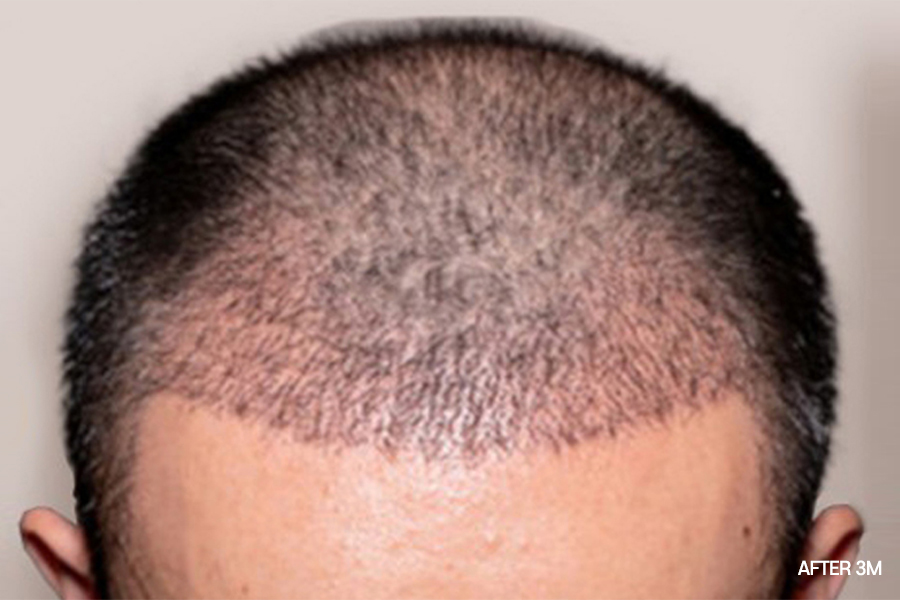
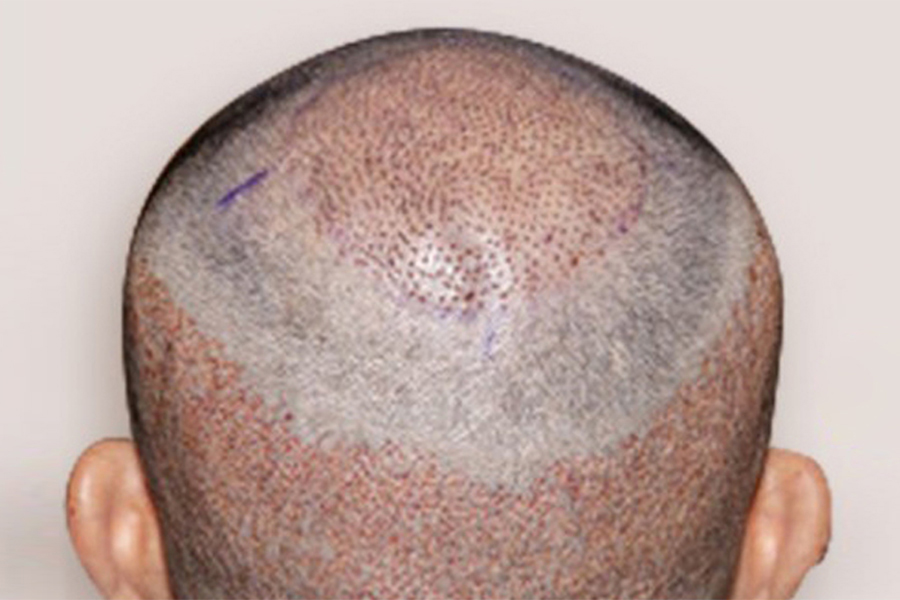
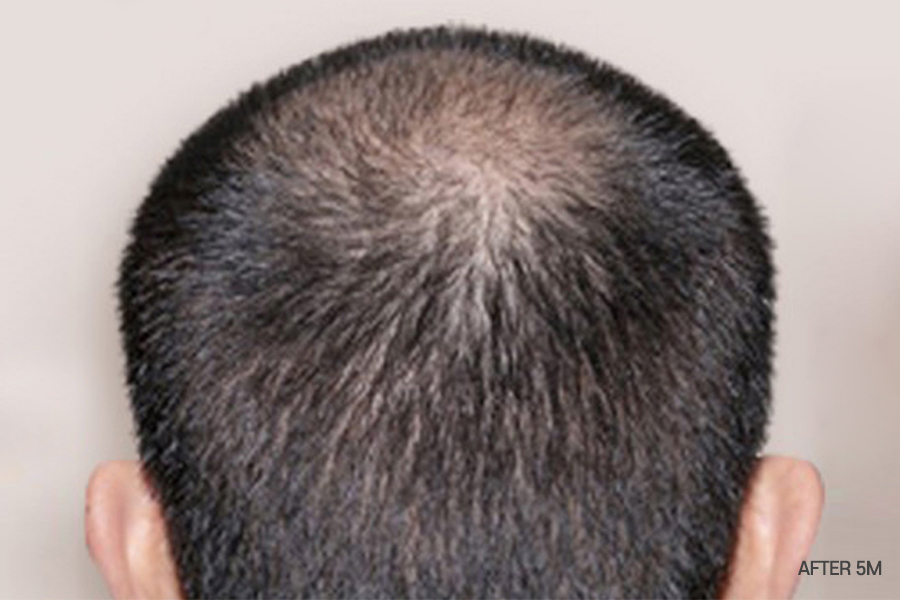
* Results of surgery may vary depending on the individual, and there may be side effects such as haemorrhaging, inflammation, etc.
* This image features an actual patient of VIEW Plastic Surgery and is published with their consent.

VIEW Plastic Surgery

BEFORE & AFTER

View More

img
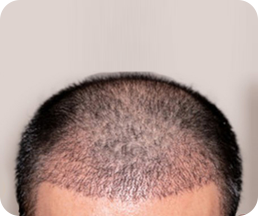
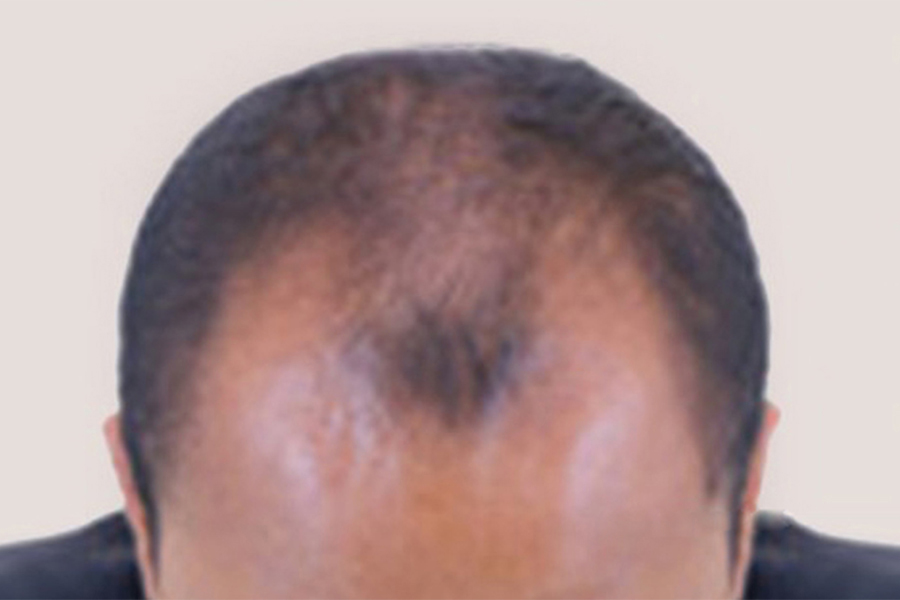
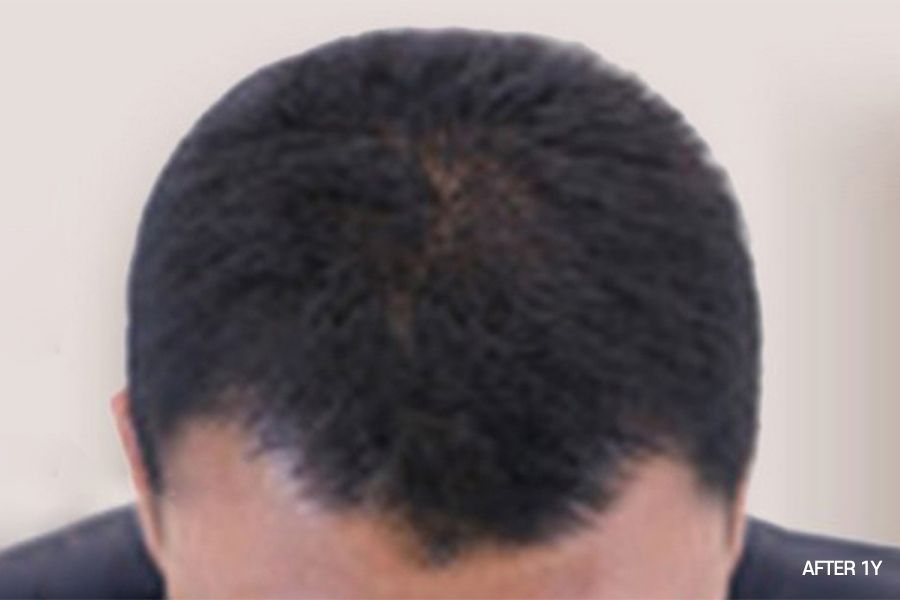
VIEW Hair Transplant restores and corrects areas of concern with seamless, natural-looking results.
Before
After

AFTER 3 Months

Before
After

AFTER 5 Months

Before
After

AFTER 1 Year

* Results of surgery may vary depending on the individual, and there may be side effects such as haemorrhaging, inflammation, etc.
* This image features an actual patient of VIEW Plastic Surgery and is published with their consent.

VIEW Hair Transplant FAQ

Patients usually stay about 2–5 days for follow-up care and professional hair washing.

The choice between FUE and FUT depends on your hair loss pattern, scalp condition, and desired density.

The number of grafts depends on hair loss severity and the coverage you want, determined during the consultation.

Shock loss may occur within the first few weeks, and new hair growth typically begins after several months.

The cost is calculated based on the number of grafts required. A graft count estimate and personalized quote are provided after a free scalp evaluation.

* Results of surgery may vary depending on the individual,
and there may be side effects such as haemorrhaging,
inflammation, etc.

Privacy policy

Business Name : VIEW Plastic Surgery | CEO : Choi Soon Woo |
License No. : 220-08-86777 | Fax : 02-539-1132

Copyright © VIEW Plastic Surgery. All rights reserved.

logo