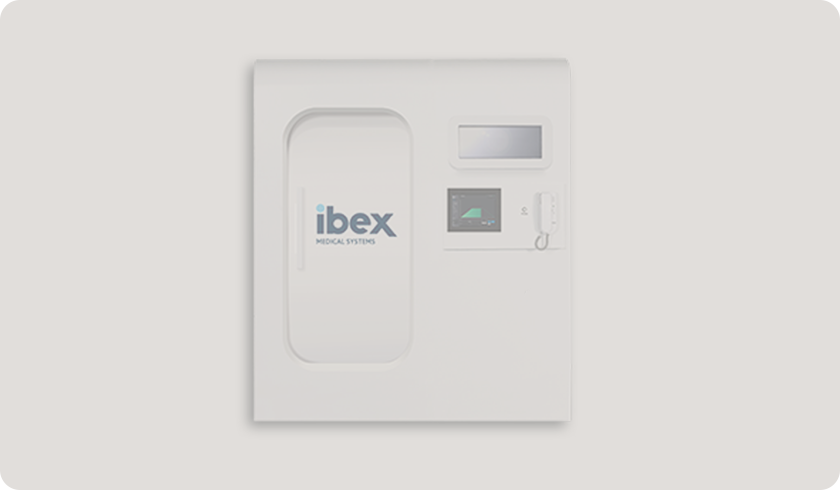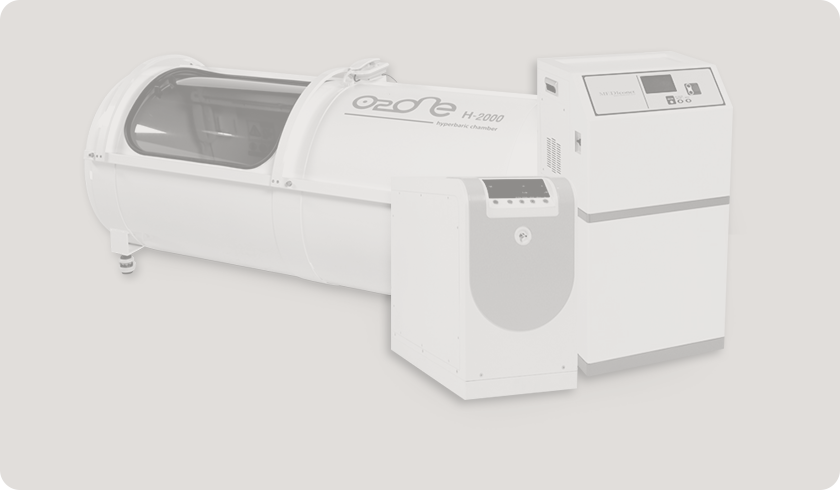
Hyperbaric Oxygen Chamber
– Seated Type
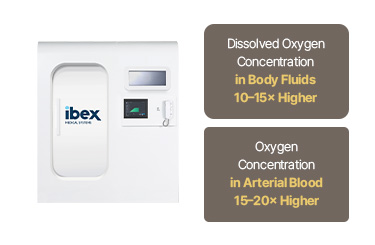
The upgraded Seated Type Hyperbaric Oxygen
Chamber offers dual modes
and higher oxygen
concentration to reduce inflammation
and promote faster recovery.
■ Upgraded Features
- Enhanced Comfort Features: Recliner,
Smart TV & Intercom
- Enhanced oxygen delivery to damaged tissues
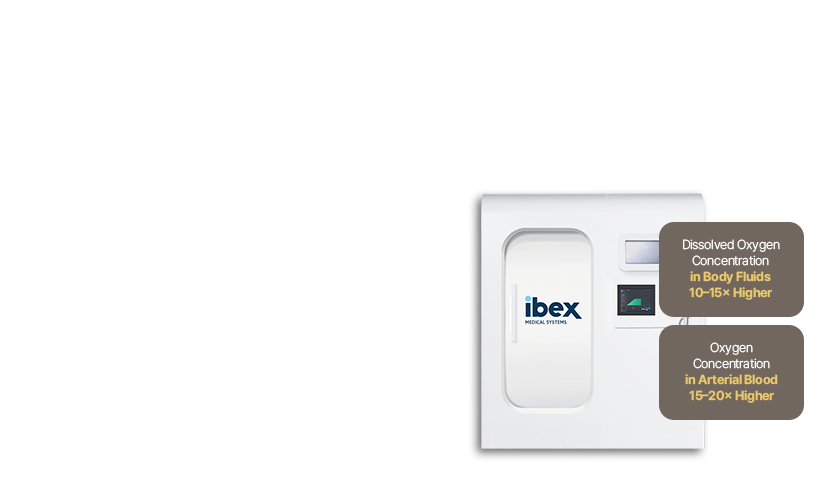
- Increases oxygen saturation with high-purity oxygen
- Helps removes toxins and waste from the body
- Improves blood circulation, reducing swelling / bruising
- Promotes tissue regeneration and wound healing
- Enhances metabolism for quicker recovery
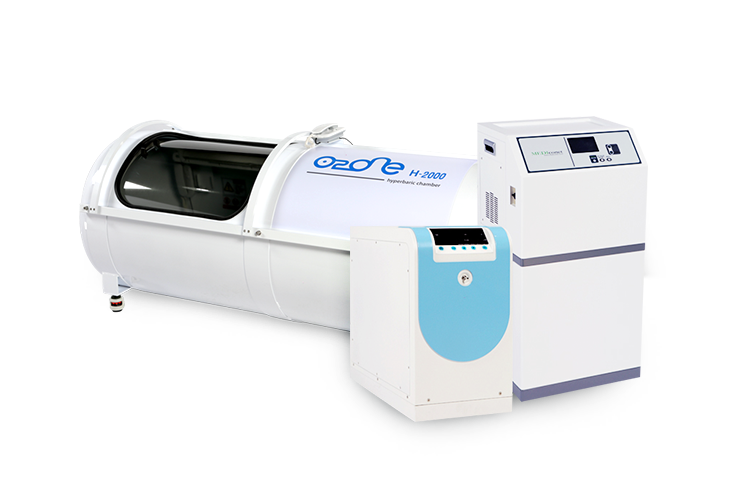
Hyperbaric Oxygen Chamber
– Lying Type
A premium recovery program that enhances healing and regeneration
by delivering high-pressure, oxygen-rich air to damaged tissues.
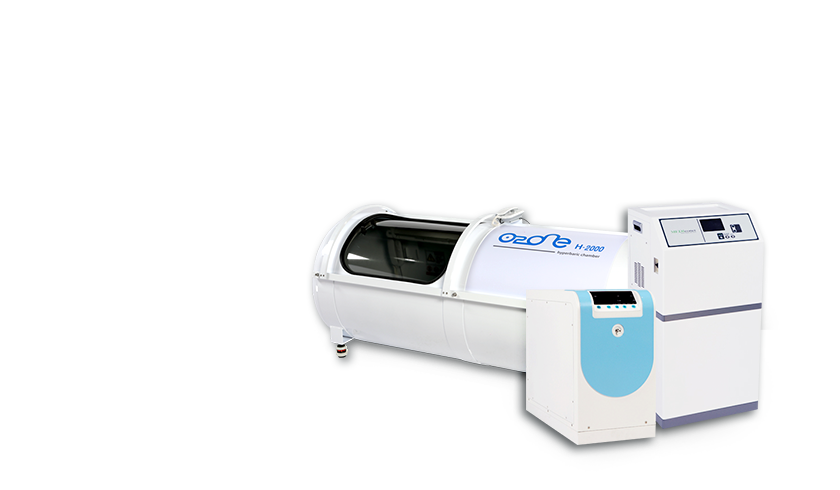
- Increases oxygen saturation with high-purity oxygen
- Excellent for removing toxins and waste from the body
- Improves blood circulation, reducing swelling / bruising
- Promotes tissue regeneration and wound healing
- Enhances metabolism for quicker recovery
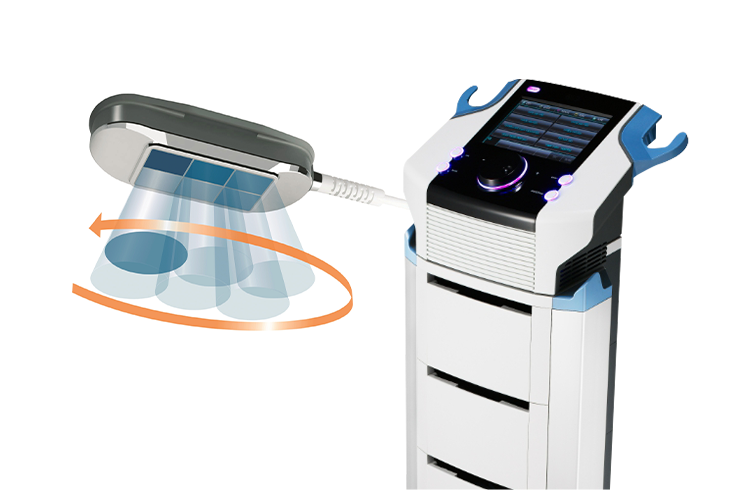
Capsulitis Treatment
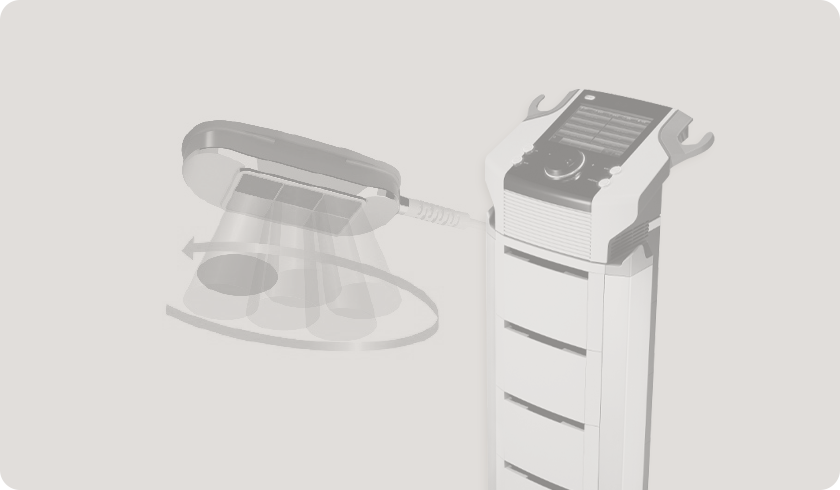
Ultrasonic micro-massage technology, it promotes blood and lymph circulation in the chest,
quickly reducing swelling and bruising and preventing capsular contracture by
addressing scar tissue early.
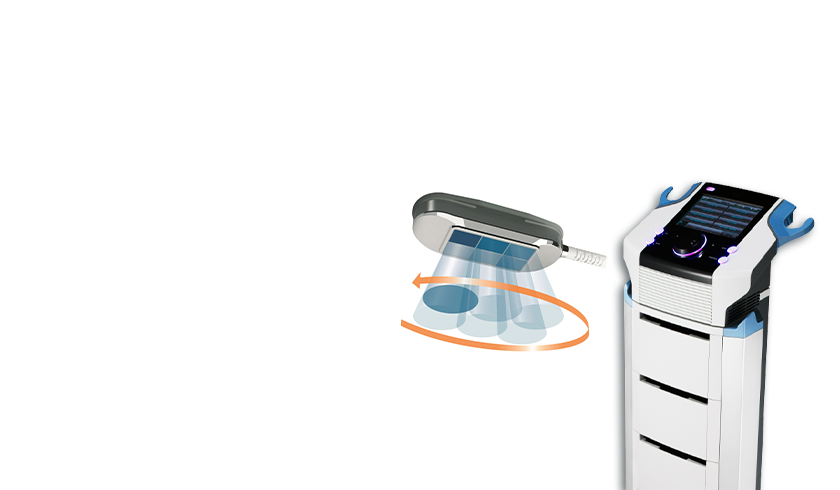
- Prevents complications such as capsular contracture
- Creates a natural appearance and feel
- Reduces swelling and bruising for faster recovery
- Relieves even mild pain
- Stabilizes breast implants
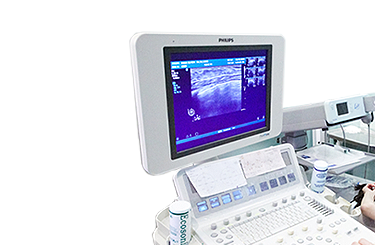
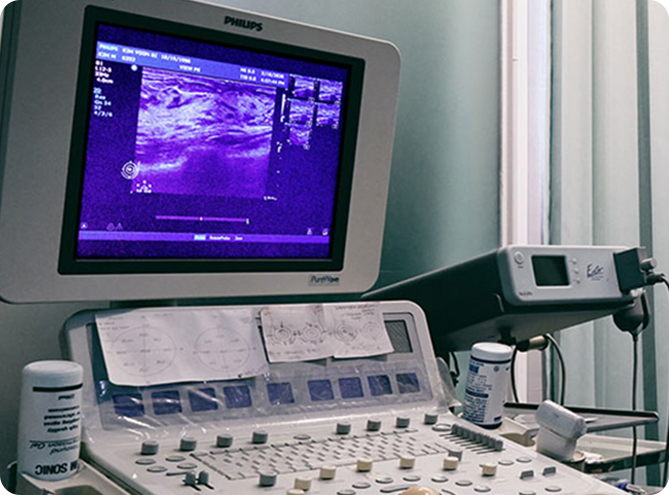
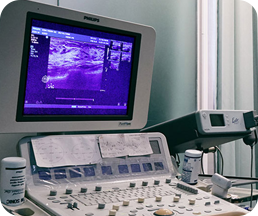
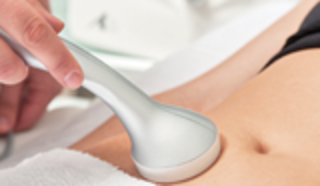
HD Breast Ultrasound
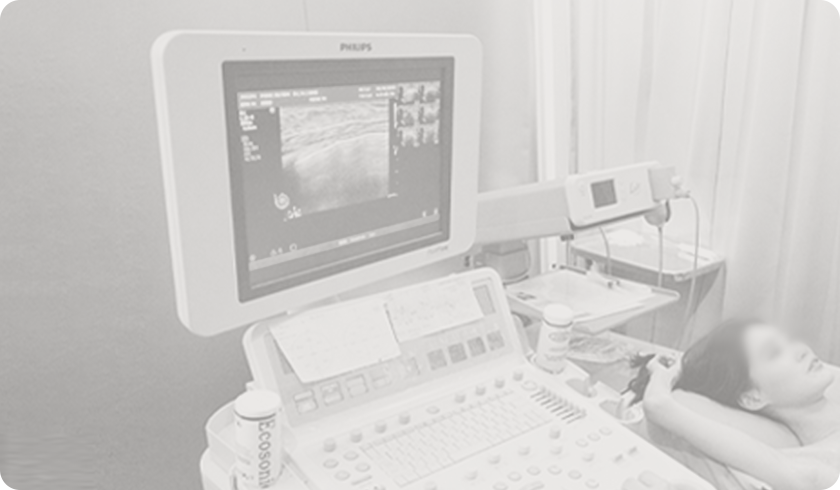
Examinations to detect breast cancer or abnormalities, identifying even the smallest lumps.
This allows for post-surgery monitoring of implant conditions, including rupture,
capsular contracture, and inflammation.
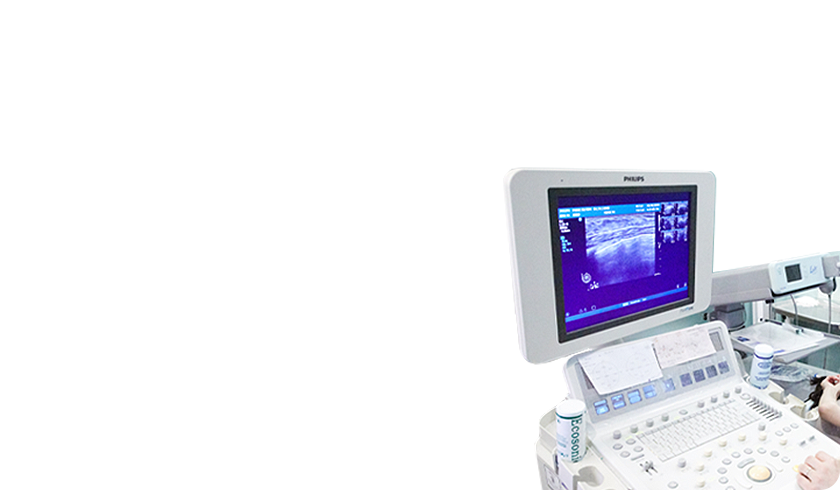
Early detection of breast cancer or potential lesions,
and monitoring of implant integrity and health post-surgery.
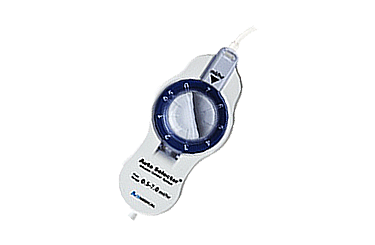
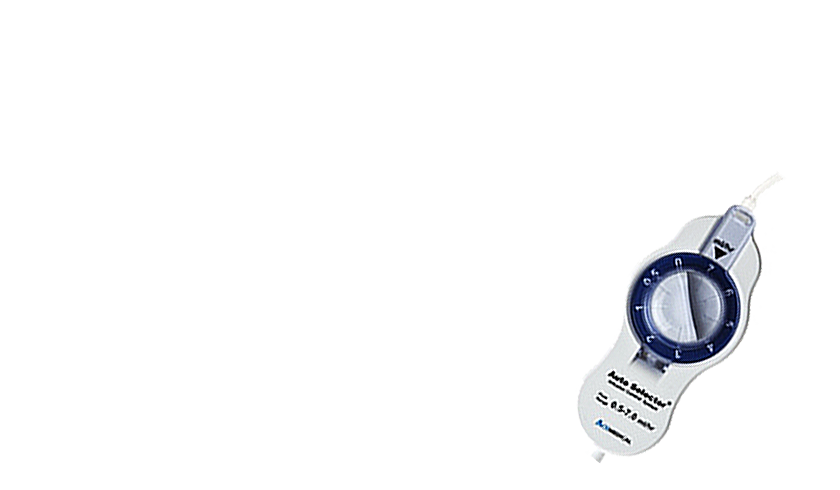
Patient-Controlled Analgesia (PCA)
A PCA device allows patients to self-administer small doses of pain relief medication
whenever needed, ensuring effective pain management during recovery.
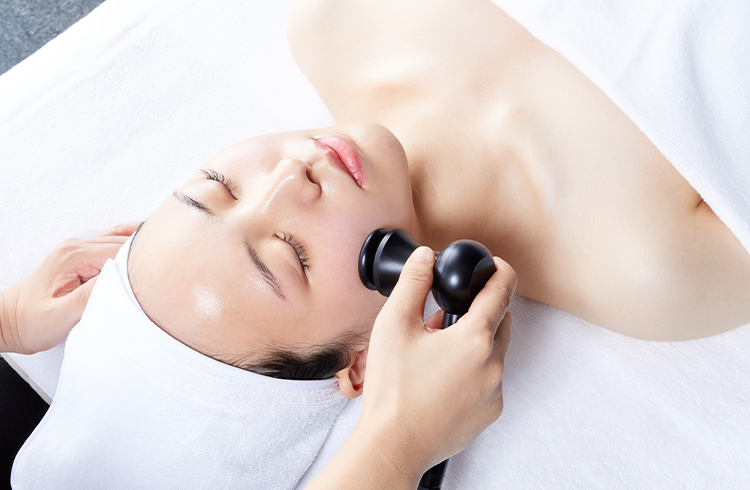
Radiofrequency (RF) Therapy
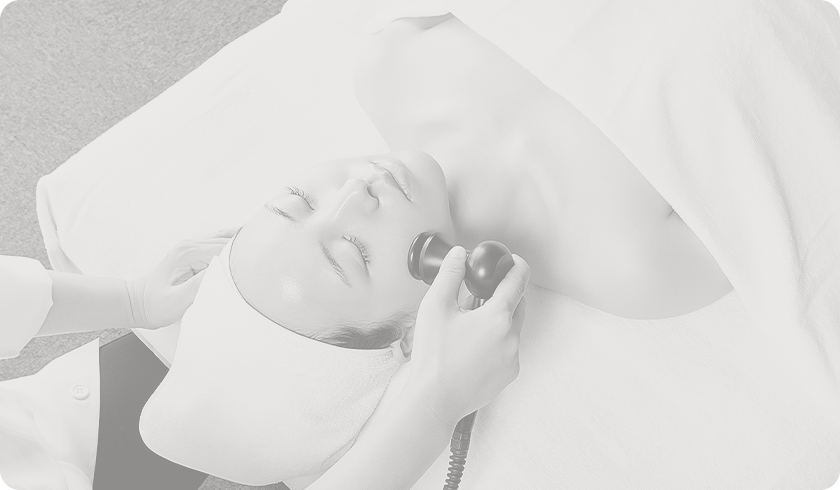
RF therapy promotes blood circulation and
facilitates waste elimination through the lymphatic system,
minimizing post-surgical swelling and bruising.
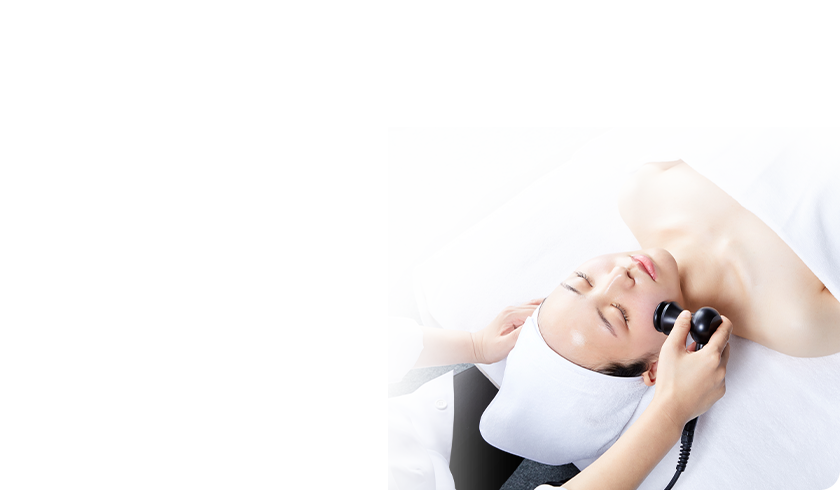
- Improves skin elasticity
- Promotes collagen regeneration
- Enhances blood circulation
- Assists in waste removal
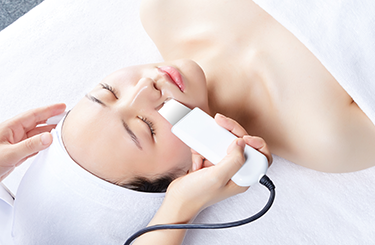
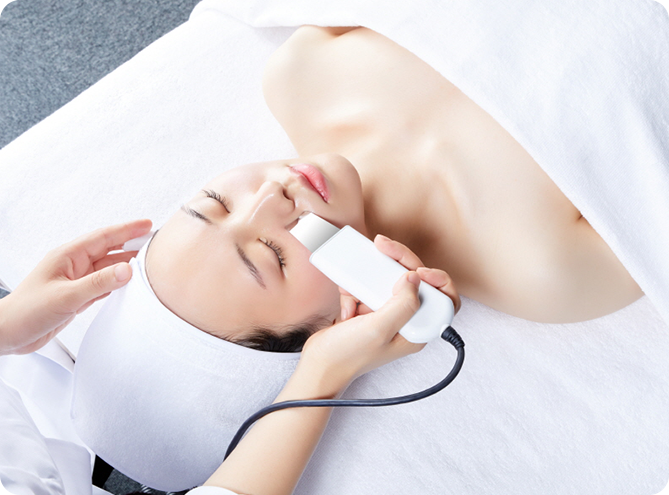
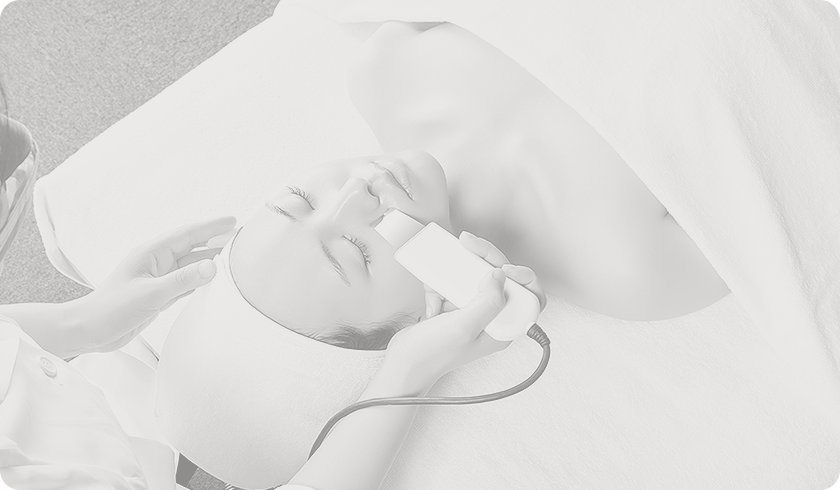
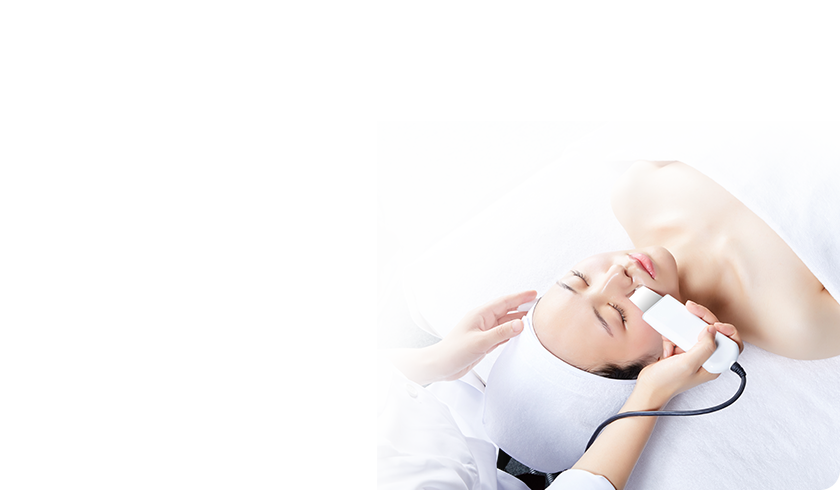
Cleansing / Skin Scrubber
Cleansing treatments remove dust, oil, and impurities from the skin’s surface,
while the skin scrubber eliminates dead
skin cells, leaving your skin clear, radiant, and glowing.
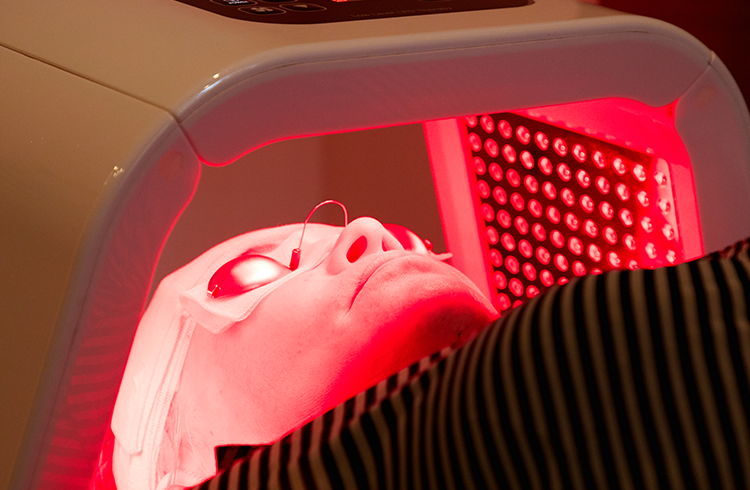
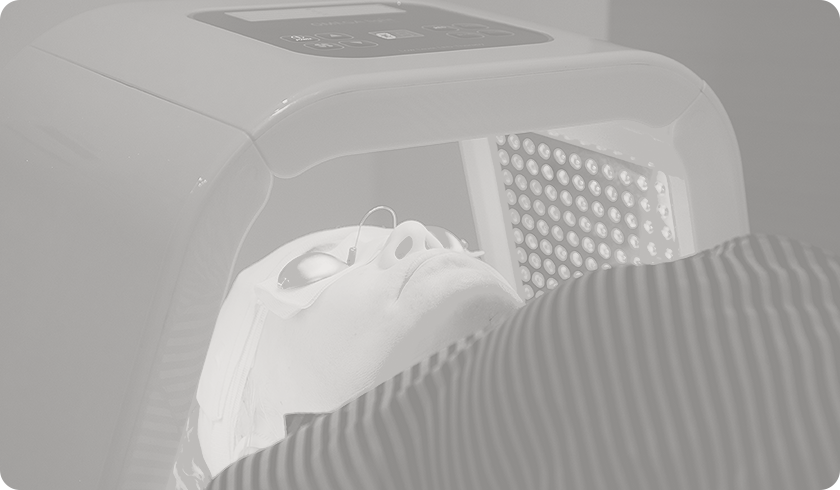
APL / Infrared Therapy
APL is an LED light therapy device with five wavelengths. Treatments are customized by
mixing different wavelengths to suit individual symptoms.
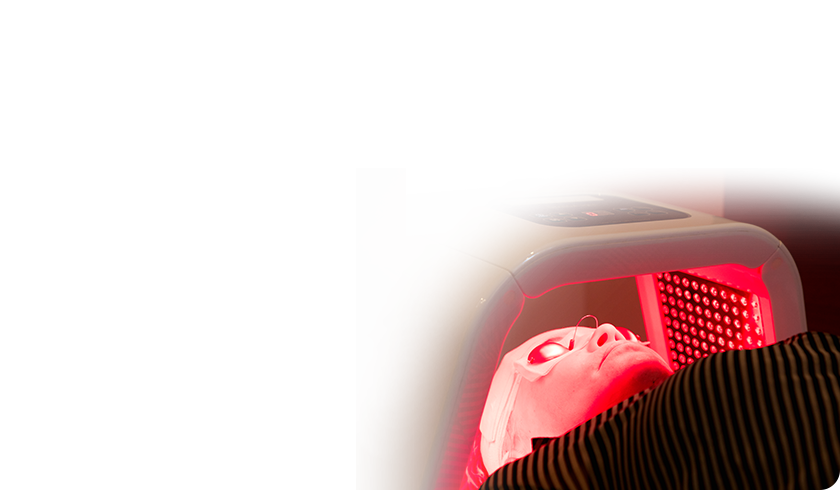
- BLUE: Sterilizes acne and improve keratosis
- GREEN: Enhances skin elasticity and improves skin tone
- YELLOW: Improves vascular lesions
- RED: Calms and regenerates the skin
- R: Aids in wound healing and pain relief
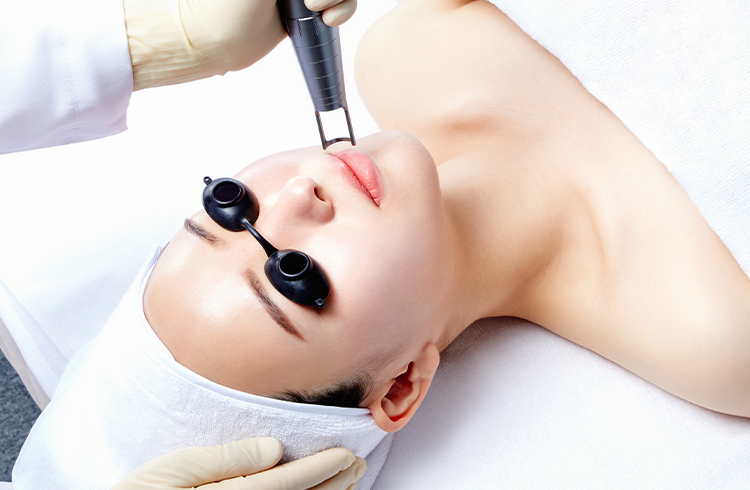
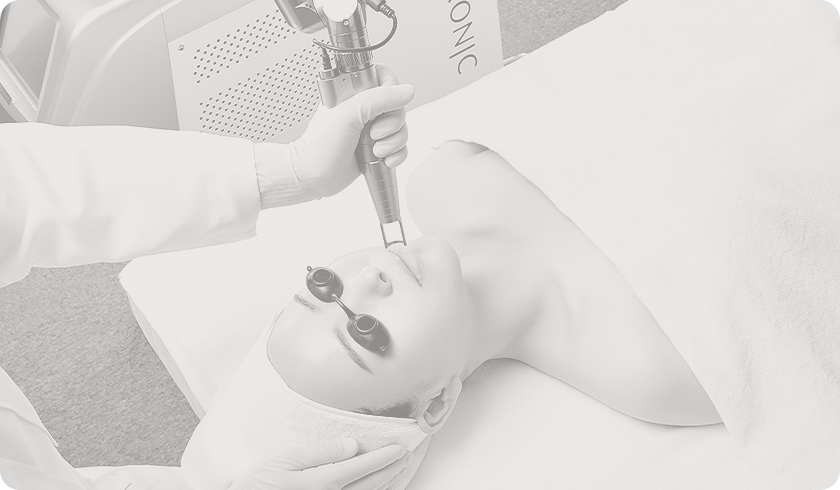
Scar Management
A tailored care program to improve post-surgical scars, designed to suit individual needs.
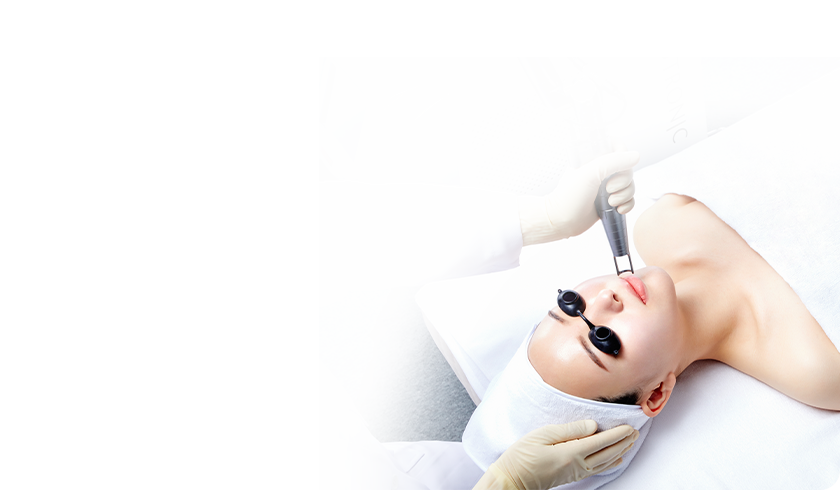
- Scar Ointment : Home care with prescribed ointments
- Scar Laser Treatment: Reduces red scars
- Scar Injections: Promotes skin regeneration / raised scars
- Scar Revision Surgery: Improves scars with surgery
* Scar care may vary depending on individual conditions.

Home Care Products
To ensure effective home care, we provide pumpkin juice,
scar ointments, compression bras, custom compression & garments
hot/cold packs

* Home care products may vary depending on the type of
surgery performed.