



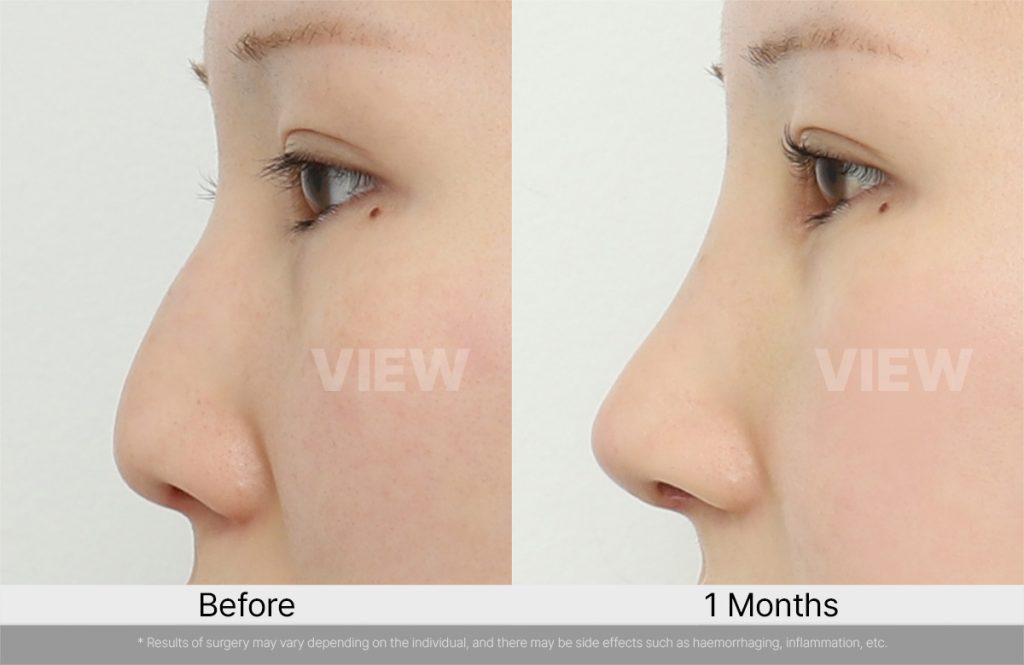
Low Nasal Bridge Self-Diagnosis: Finding Your Golden Ratio for the Perfect Profile
Are you constantly looking in the mirror and wondering if your nose truly fits your face? Perhaps you feel your profile is too flat, or your mouth looks like it protrudes more than it should. Understanding facial harmony is a complex medical science, but it starts with simple observations. In this exhaustive guide, View Plastic Surgery provides a comprehensive framework for Low Nasal Bridge Self-Diagnosis, helping you navigate the delicate balance between height, angle, and facial proportions.
1. How to Tell if I Need a Rhinoplasty? The 3-Point Balance Test
The first step in any aesthetic journey is understanding proportionality. A common question patients ask is, “How to tell if I need a rhinoplasty?” It isn’t just about the height of the bridge; it’s about how the nose serves as the anchor for your entire face.
The Rule of Thirds: Vertical Proportions
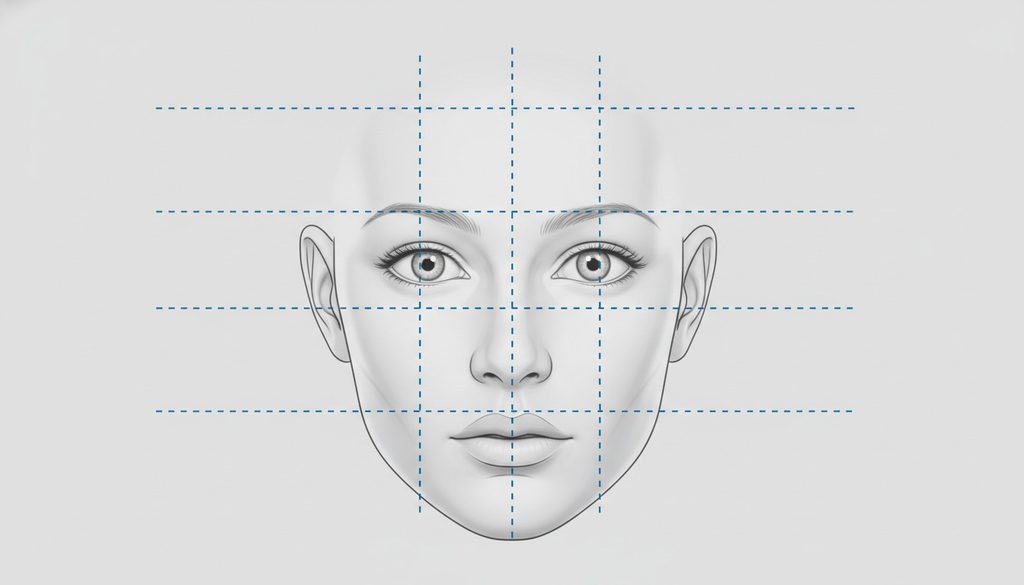
Standard aesthetic medicine utilizes the “Rule of Thirds.” To perform this self-diagnosis, look directly into a mirror or take a straight-on selfie. Divide your face into three horizontal segments:
- Upper Third: From the hairline to the eyebrows (glabella).
- Middle Third: From the eyebrows to the base of the nose (subnasale).
- Lower Third: From the base of the nose to the tip of the chin (menton).
Ideally, each of these segments should represent exactly 1/3 of your total facial height. If your middle third is significantly shorter than the other two, it may indicate a sunken bridge or a nose that lacks definition. Conversely, a middle third that is too long might suggest a deviated nose or an over-projected tip that disrupts the facial flow.
The Horizontal Rule of Fifths
Similarly, the width of the nose should ideally match the width of one eye. If the base of your nose (the alar width) is wider than the distance between your eyes, it may contribute to a flatter appearance, even if the bridge itself has moderate height. This is where rhinoplasty expertise comes in—balancing the width and height simultaneously.
2. The Rhinoplasty Golden Ratio: Ideal Angles for the Forehead and Lips
While height is what most people notice, angles are what surgeons measure. The Rhinoplasty Golden Ratio isn’t a single number but a set of intersections that define the “ideal” profile. When these angles are achieved, the face gains a three-dimensional depth that looks natural from every perspective.
The Nasofrontal Angle: The Connection to the Forehead
This is the angle formed where your forehead meets your nasal bridge (the starting point or ‘radix’). If this angle is too wide (closer to 180 degrees), the nose looks like it starts too high, often referred to as a “Greek nose.” If it is too deep, the nose looks disconnected from the face.
| Metric | Ideal Range (Degrees) | Visual Result |
|---|---|---|
| Nasofrontal Angle | 115° ~ 130° | Seamless transition from the brow bone to the bridge. |
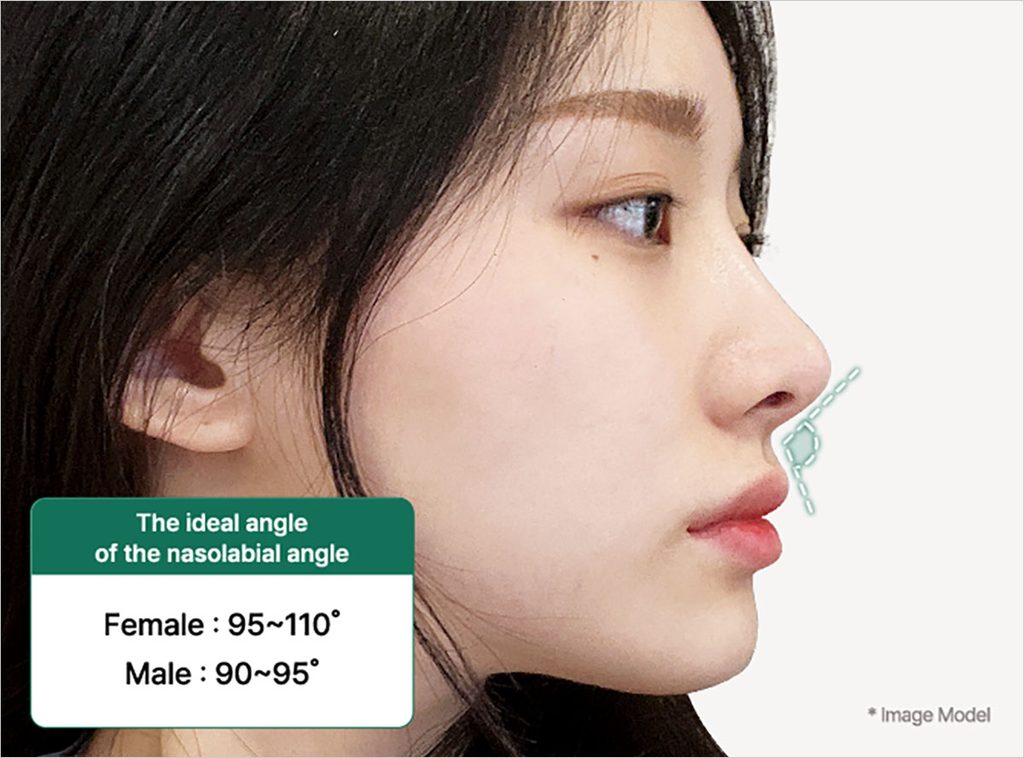
| Nasolabial Angle | 90° ~ 110° | Upturned tip that prevents a “droopy” or “hooked” look. |
| Nasofacial Angle | 30° ~ 40° | Determines the overall projection (how far the nose sticks out). |
3. Beyond Height: Adjusting the Nasolabial Angle to Fix a Protruding Mouth
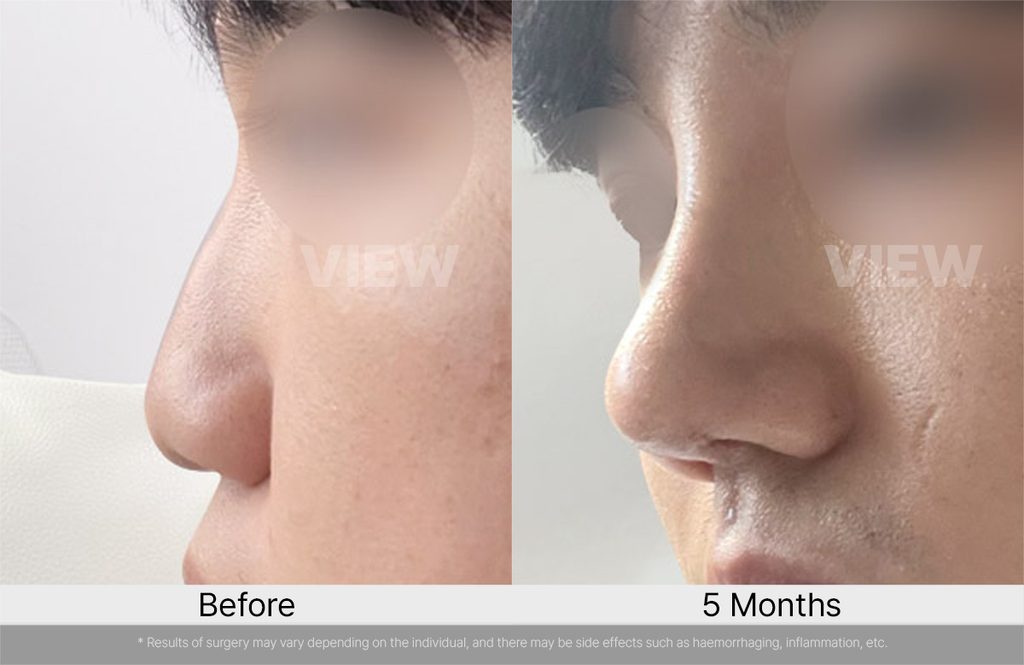
A frequent concern among patients is a “protruding mouth” (bimaxillary protrusion). Many assume they need orthognathic surgery or braces to fix this. However, the secret often lies in the Nasolabial Angle for Rhinoplasty.
The Optical Illusion of the Philtrum
The nasolabial angle is the angle between the columella (the tissue between your nostrils) and the upper lip. If this angle is acute (less than 90 degrees), the tip of the nose points downward. This downward pressure can make the mouth look more prominent and the philtrum appear longer.
By slightly rotating the nasal tip upward and increasing the Nasolabial Angle for Rhinoplasty to approximately 100 degrees, the upper lip appears more retracted. This creates a more youthful, refined look without the need for invasive jaw surgery. This is what we call “Contour Rhinoplasty”—using the nose to balance the mid-face and lower-face relationship.
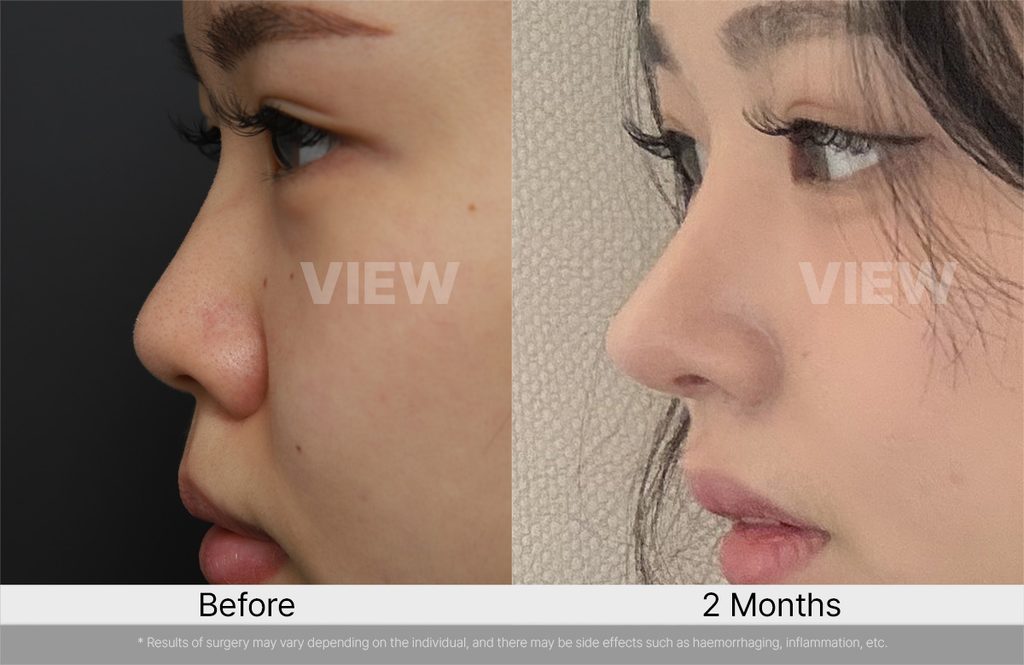
4. Straight-Curved Nose Line: The 2026 Trend for a Natural Yet Sharp Profile
In the past, the “Barbie line” (highly curved) or the “Straight line” (very sharp) dominated aesthetic choices. However, for 2026, the Straight-Curved Nose Line (often called the ‘Jik-ban’ line in Korea) has become the gold standard.
What is the Straight-Curved Nose Line?
This line combines the strengths of both styles:
- The Bridge: Extends straight and tall, providing a sophisticated, sharp impression.
- The Tip: Has a subtle, elegant curve upwards, adding a touch of softness and femininity.
This hybrid approach is popular because it suits a wider variety of face shapes. For those with a flat forehead, a pure straight line can look too aggressive. For those with a strong jawline, a purely curved line can look out of place. The Straight-Curved Nose Line offers the perfect compromise, ensuring the profile remains sharp while the overall expression stays approachable.
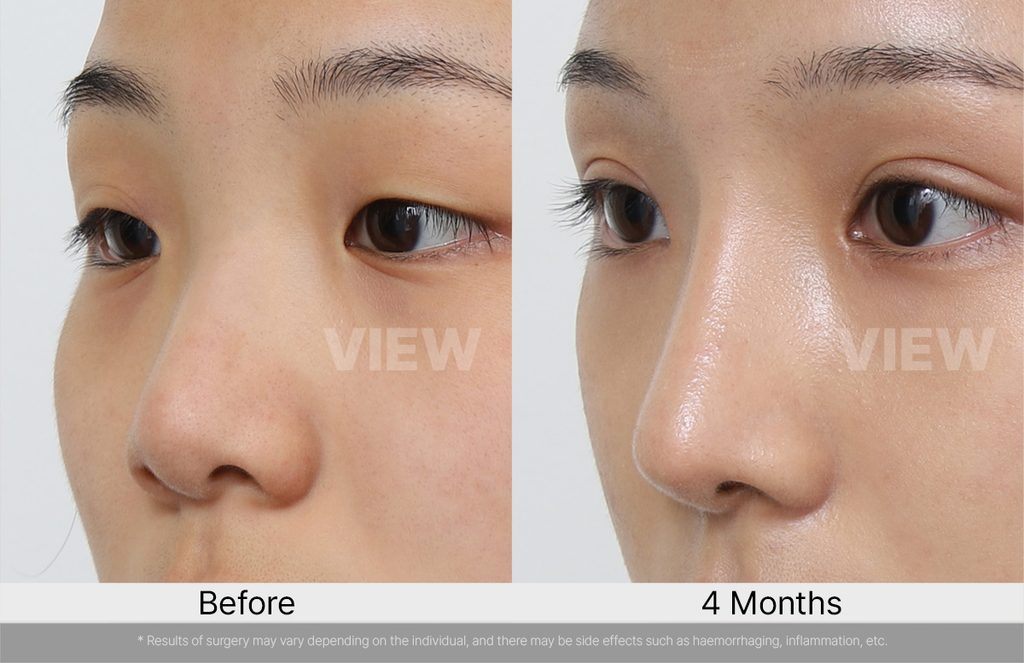
5. Home Profile Analysis: Measuring Your Own Angles with a Smartphone
Before booking an online consultation, you can perform a preliminary Low Nose Bridge Self-Diagnosis at home. Follow these steps for the most accurate results:
- The Set-up: Stand against a plain wall. Have a friend take a photo of your direct profile (side view) from about 5 feet away. Zooming in prevents the lens distortion common in close-up selfies.
- The Reference Line: Using a basic photo editing app, draw a vertical line from the glabella (between the eyebrows) down to the chin.
- Analyze the Bridge: Is the lowest point of your bridge (the radix) at the level of your upper eyelash line? If it is lower, your bridge is considered “low.”
- Analyze the Tip: Look at your Nasolabial Angle for Rhinoplasty. Does it look like a right angle, or is it pointing toward your feet?
- Analyze the Line: Imagine a line from your bridge to your tip. Is it a straight ramp, or does it have a slight, elegant “kick” at the end? Identifying your preference for a Straight-Curved Nose Line vs. a traditional line is crucial for your surgeon.
6. Get Your Professional Facial Balance Report: Consult via WhatsApp
Self-diagnosis is a powerful starting point, but it cannot replace the precision of 3D CT scans and the experienced eye of a board-certified surgeon. At View Plastic Surgery, we analyze over 50 different facial data points to create your bespoke surgical plan.
If you’re ready to see how the Rhinoplasty Golden Ratio applies to your unique features, you can receive a preliminary analysis from our medical coordinators. By sending your profile photos through our official WhatsApp, you can start your journey toward a more confident version of yourself.