



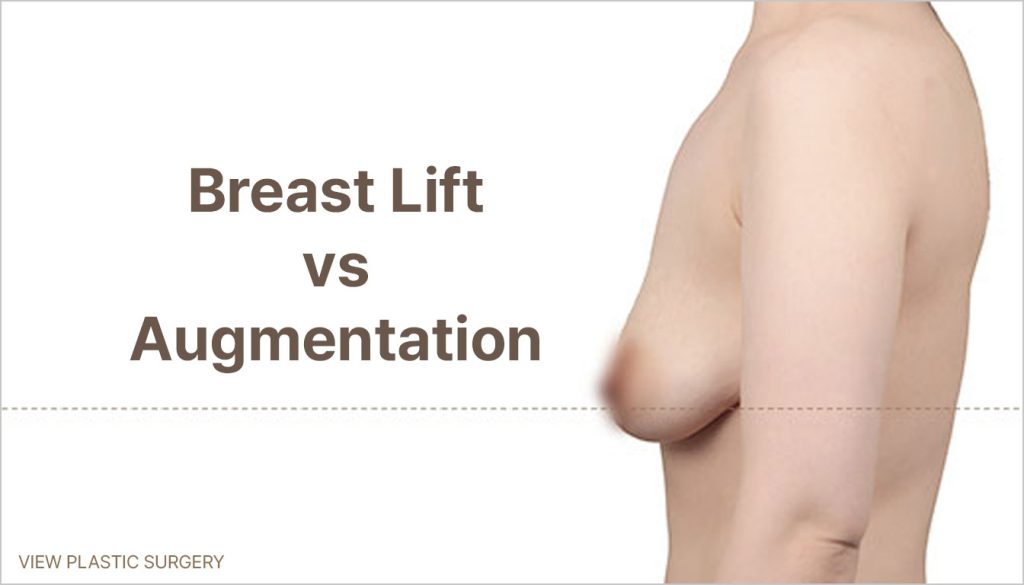
When considering postpartum body rejuvenation, many women find themselves at a crossroads: breast lift vs augmentation. Post-pregnancy and breastfeeding often lead to two distinct anatomical changes: loss of glandular volume (involution) and stretching of the skin envelope (ptosis). Understanding the technical nuances between mastopexy vs mammoplasty is essential for achieving a natural, youthful result. This guide explores whether a standalone procedure or a lift with implants is the optimal path for correcting breast sagging and restoring confidence.
The Core Dilemma: Do I Need a Lift or Implants?
The most common question patients ask during their consultation is, “Do I need a lift or implants?” To answer this, we must look beyond size. Volume loss creates a ‘deflated’ look, while tissue migration creates a ‘sagging’ look. If your primary concern is that your breasts have lost their upper-pole fullness but the nipple remains above the inframammary fold (the breast crease), an augmentation mammoplasty might suffice. However, if the nipple has descended below that fold, correcting breast sagging requires a mastopexy (lift).
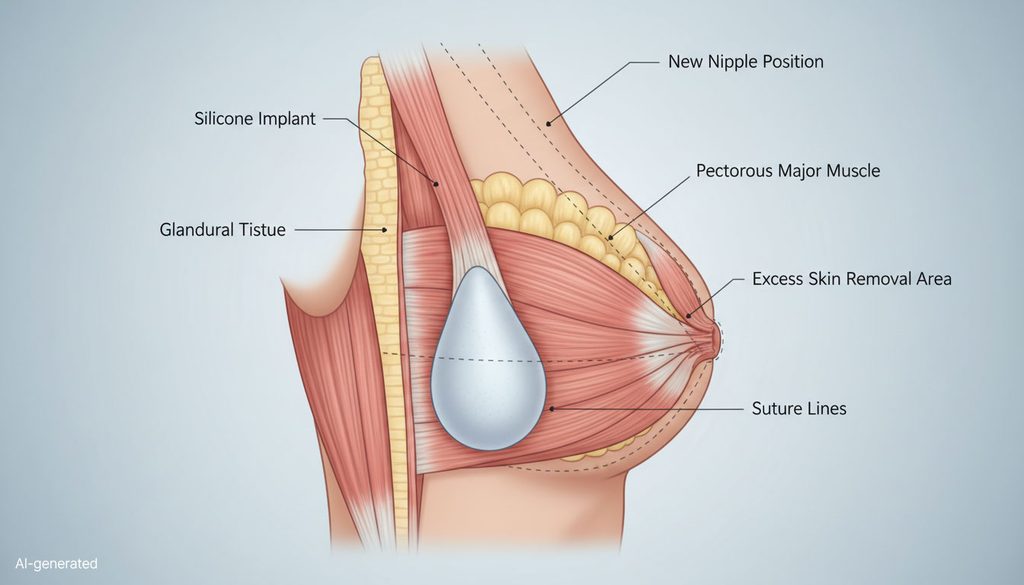
Anatomy of Post-Pregnancy Changes
Pregnancy causes the breast tissue to expand significantly. Once the lactation period ends, the breast tissue shrinks, but the skin often remains stretched. This results in ‘ptosis.’ In the clinical debate of breast lift vs augmentation, surgeons categorize ptosis into three grades:
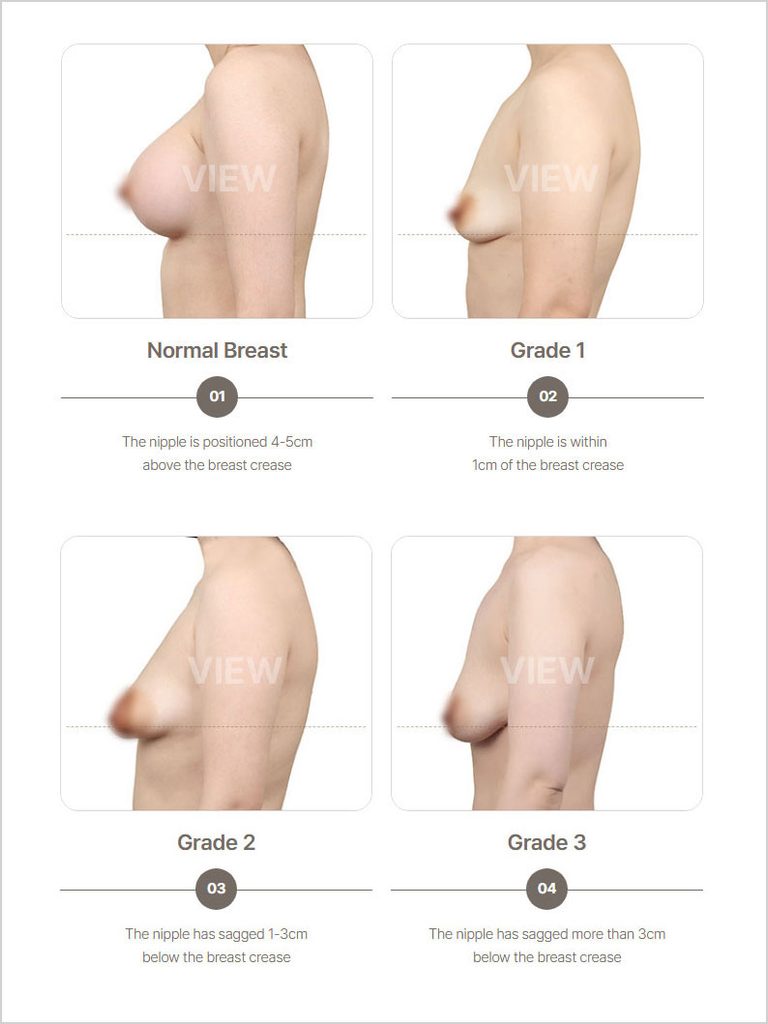
- Grade I (Mild): The nipple is at the level of the inframammary fold.
- Grade II (Moderate): The nipple is below the fold but above the lowest contour of the breast.
- Grade III (Advanced): The nipple is at the lowest point of the breast, pointing downward
For Grade II and III, simply adding an implant without a lift can lead to a “Snoopy deformity,” where the implant sits high and the natural tissue sags over it. In these cases, a lift with implants is the only way to achieve a cohesive shape.
Understanding Mastopexy vs Augmetnation mammoplasty
The terminology can be confusing. Mastopexy vs Augmentation mammoplasty refers to two different surgical goals. A mastopexy (breast lift) focuses on repositioning existing tissue and removing excess skin to elevate the breast mound. An augmentation mammoplasty focuses on increasing the size and projection of the breast using saline or silicone implants, such as Motiva implants.
| Feature | Breast Lift (Mastopexy) | Breast Augmentation |
|---|---|---|
| Primary Goal | Elevation and reshaping | Volume and size increase |
| Nipple | Repositioned higher | Remains largely unchanged |
| Position | unchanged | |
| Skin Removal | Significant | None (skin is stretched) |
| Ideal Candidate | Patients with sagging/laxity | Patients with small volume |
The Gold Standard: Lift with Implants
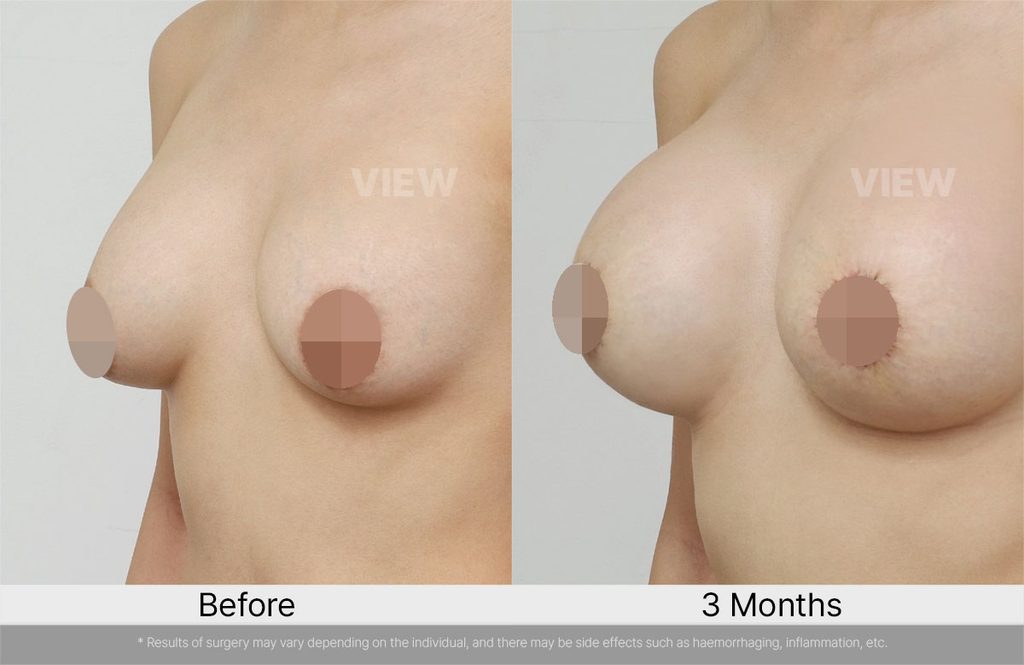
For most women post-pregnancy, the answer to “do I need a lift or implants?” is actually both. A lift with implants, or augmentation-mastopexy, addresses the dual problem of volume loss and skin laxity. While a breast lift vs augmentation discussion usually focuses on one or the other, combining them offers the most transformative results. At View Plastic Surgery, we utilize advanced 3D imaging to show how the implant will sit within the newly tightened skin envelope.
The Surgical Technique for Combined Procedures
Performing a lift with implants is one of the most complex surgeries in aesthetic medicine. The surgeon must balance the weight of the implant with the structural integrity of the lift. If the implant is too heavy, it can compromise the longevity of the lift, leading to recurrent sagging. Therefore, choosing the right implant size and shape is critical. Many patients opting for breast surgery choose high-cohesive silicone to ensure the upper pole remains full even as the body heals.
Surgical Approaches to Correcting Breast Sagging
When correcting breast sagging, the incision pattern is determined by the degree of ptosis. In the debate of mastopexy vs mammoplasty, the scar profile is a major consideration for patients.
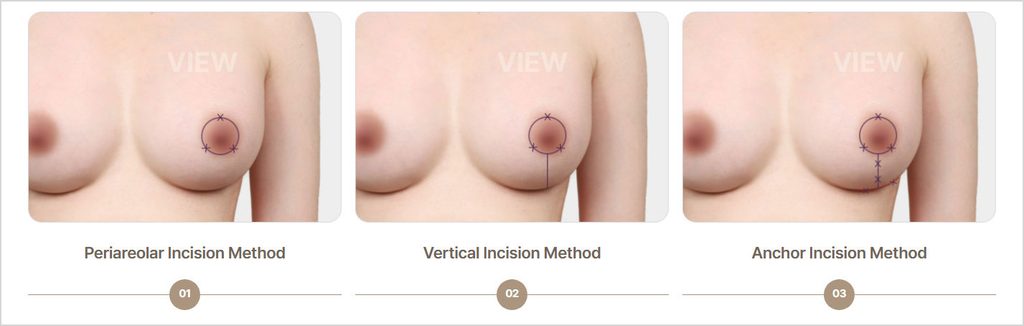
1. Periareolar (Donut) Lift
Used for mild ptosis (Grade I). The incision is made only around the edge of the areola. This is often paired with an implant in a lift with implants procedure for patients who need just a subtle ‘boost.’
2. Vertical (Lollipop) Lift
Used for moderate ptosis (Grade II). The incision goes around the areola and down to the breast crease vertically. This allows for significant reshaping of the breast mound.
3. Inverted-T (Anchor) Lift
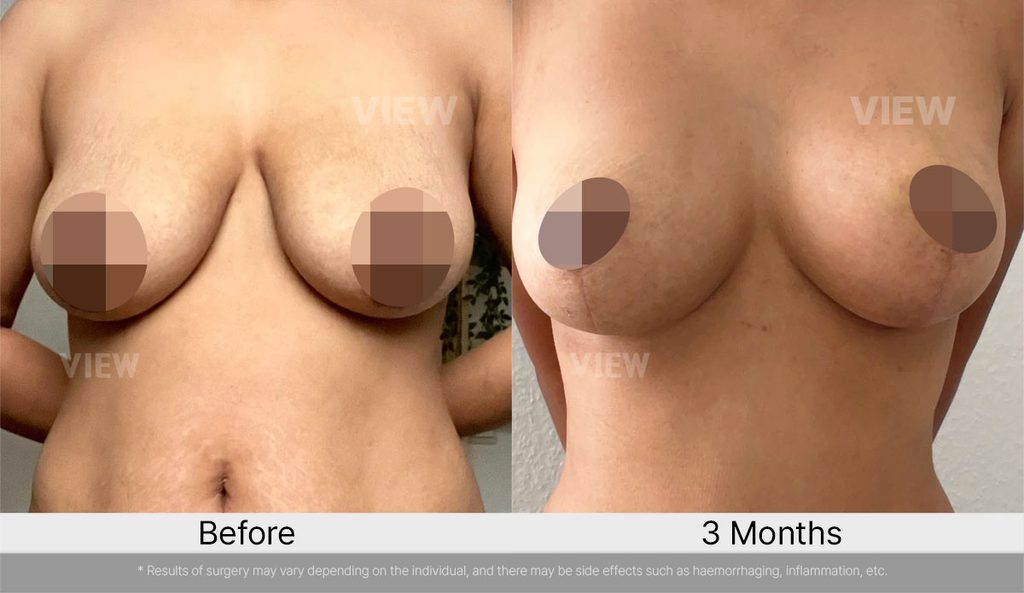
The standard for correcting breast sagging in cases of Grade III ptosis. It offers the most lift and tissue removal, essential for patients who have undergone significant weight loss or multiple pregnancies. If the patient has excess tissue but wants a smaller size, we may discuss breast reduction techniques during the mastopexy.
Recovery and Strategic Planning
Understanding the recovery timeline is just as important as the breast lift vs augmentation decision. While a simple augmentation may have a 1-2 week initial recovery, a lift with implants requires more diligence. Most patients return to light desk work within 10 days, but strenuous exercise and heavy lifting must be avoided for 6 weeks to ensure the internal sutures stabilize.
Why View Plastic Surgery for Post-Pregnancy Rejuvenation?
Choosing between mastopexy vs augmentation mammoplasty requires a surgeon with an artistic eye and clinical precision. At View, we prioritize safety and natural aesthetics. Our surgeons are experts in correcting breast sagging while maintaining the sensitivity and functionality of the breast tissue. For international patients, we offer a dedicated WhatsApp support line to answer immediate questions about travel and post-op care.
Summary: Evaluating Your Path
In conclusion, the breast lift vs augmentation choice is not binary. For some, a simple volume increase, augmentation mammoplasty is enough. For others, correcting breast sagging through a standalone mastopexy is the goal. However, for the ultimate post-pregnancy restoration, a lift with implants provides the volume and the position needed for a youthful silhouette. Stop asking “do I need a lift or implants?” and get a definitive answer through professional clinical assessment.