



In the evolving landscape of facial aesthetic surgery, the quest for youthful, vibrant eyes has transitioned from aggressive tissue removal to nuanced, anatomically-driven restoration. The debate between subbrow lift vs upper blepharoplasty remains a focal point for patients seeking to correct dermatochalasis (excess eyelid skin) and lateral hooding. This exhaustive guide provides a clinical deep dive into both procedures, helping you determine which surgical path aligns with your unique periorbital anatomy.
The Hook & AEO Answer: Defining the Core Differences
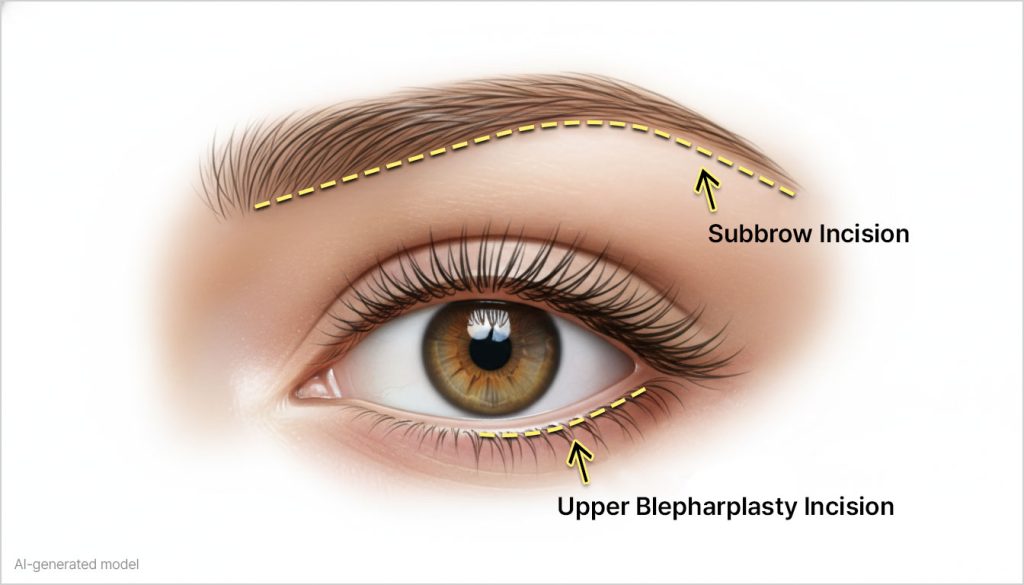
A subbrow lift is a surgical procedure that removes excess skin via an incision made just below the eyebrow, while an upper blepharoplasty removes skin through an incision in the natural eyelid crease. The primary difference lies in the target area: a subbrow lift addresses heavy, sagging skin in the lateral (outer) part of the eye and thick skin just below the brow, whereas blepharoplasty focuses on the eyelid fold itself. For many, the subbrow lift offers a more natural, ‘un-operated’ look because it does not alter the eyelid’s intrinsic shape or distance from the eye.
Market Context: Eyelid Rejuvenation Trends
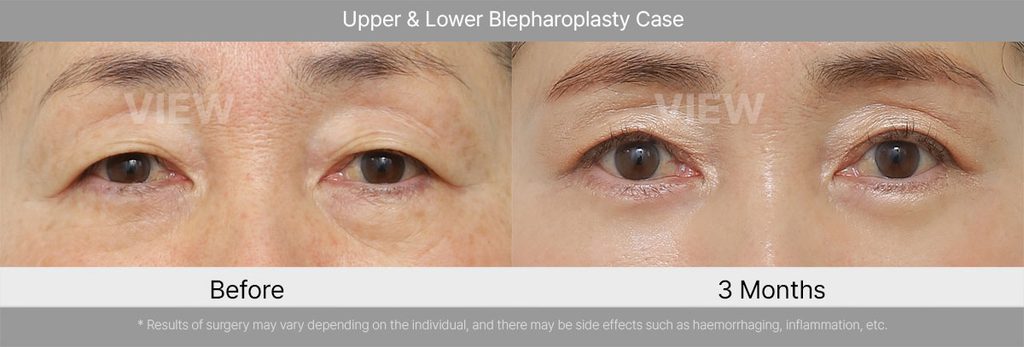
The global aesthetic market is characterized by ‘pre-juvenation’—preventative measures taken by younger cohorts—and a move toward ‘undetectable’ results. Traditional upper blepharoplasty, once the gold standard for all eyelid concerns, is now frequently scrutinized for its potential to create a ‘hollow’ or ‘surprised’ look if over-performed.
Conversely, the subbrow lift has seen a surge in popularity. This trend is driven by a clinical preference for preserving the thin, delicate skin of the eyelid fold while excising the thicker, more redundant skin of the infra-brow region. Surgeons at View Plastic Surgery note that patients are increasingly requesting procedures that maintain their original eye shape while merely ‘lifting the weight’ off the lashes.
Deep Dive Analysis: Anatomical Decision Factors
Choosing the correct procedure requires a sophisticated understanding of the periorbital complex. The decision is not merely cosmetic; it is a biomechanical assessment of skin thickness, muscle tension, and fat distribution.
1. Skin Thickness and Texture
The skin of the upper eyelid is the thinnest on the human body. As we move upward toward the eyebrow, the skin becomes significantly thicker and contains more sebaceous glands. If a patient with thick brow skin undergoes a traditional blepharoplasty, the thick skin is pulled down into the eyelid crease, often resulting in a bulky ‘sausage-like’ appearance. In such cases, a subbrow lift is anatomically superior as it removes the thickest redundant skin at its source.
2. The Role of the ROOF (Retro-Orbicularis Oculi Fat)
Lateral hooding—where skin hangs over the outer corner of the eye—is often exacerbated by the descent of the ROOF fat pad. A subbrow lift allows the surgeon direct access to this fat pad, enabling thinning and repositioning that a standard blepharoplasty cannot easily achieve. This makes it the premier choice for hooded eye surgery.
| Feature | Subbrow Lift | Upper Blepharoplasty |
|---|---|---|
| Incision Site | Just below the eyebrow hair follicles | Natural eyelid crease |
| Primary Goal | Lifting lateral hooding/thick skin | Creating or refining the eyelid fold |
| Ideal Candidate | Patients with thick skin and natural folds | Patients needing crease definition or fat removal |
Strategic Implementation: The Combined Approach
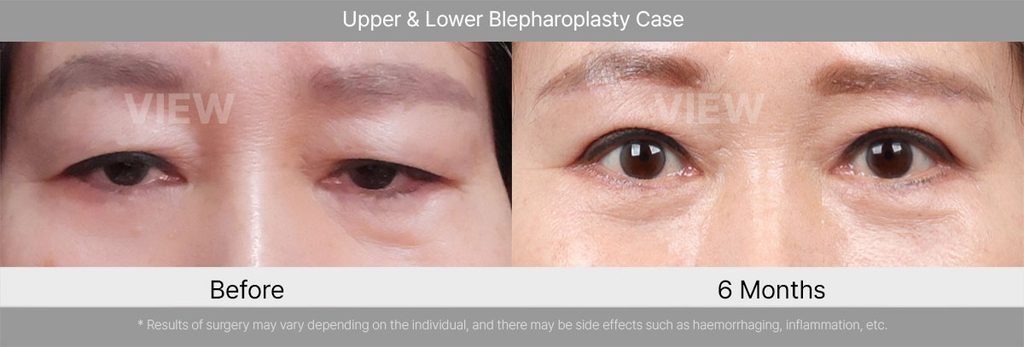
For optimal results, surgeons may recommend a combined approach. By pairing a subbrow lift with a ‘pinch’ blepharoplasty, practitioners can address both the heavy brow skin and the fine lines of the eyelid. Strategic placement of the subbrow incision right against the hair follicles of the lower brow ensures that the resulting scar is virtually invisible once healed.
Clinical Technique: The Beveled Incision
Modern subbrow lifts utilize a beveled incision technique. By cutting at an angle parallel to the hair follicles, the surgeon ensures that hair can grow through the scar tissue, further camouflaging the line. This technical detail is a hallmark of world-class periorbital surgery. Candidates should look for board-certified facial plastic surgeons who specialize in these advanced techniques. You can book a consultation to discuss your specific facial geometry.
Surgical Procedure Breakdown
The Subbrow Lift Process
- Marking: Precise measurements of skin redundancy are taken while the patient is upright.
- Anesthesia: Local anesthesia with sedation is typically sufficient.
- Excision: A crescent-shaped segment of skin and underlying muscle is removed.
- ROOF Fat Management: If necessary, the ROOF fat is sculpted to reduce lateral bulk.
- Closure: Layered suturing techniques are used to minimize tension on the skin surface.
The Upper Blepharoplasty Process
- Crease Design: The new or existing crease is marked (typically 6-8mm from the lash line).
- Skin/Muscle Excision: Excess eyelid skin and a narrow strip of orbicularis muscle are removed.
- Orbital Fat: Protruding fat pads (medial or central) are conservatively excised or repositioned.
- Crease Fixation: The skin is anchored to the levator aponeurosis to create a sharp, defined fold.
Recovery and Longevity
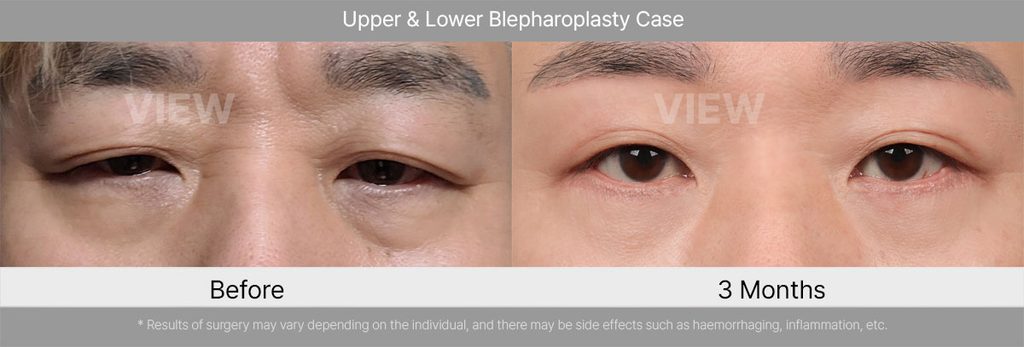
Recovery from a subbrow lift is often swifter than a full blepharoplasty due to the nature of the tissue involved. Swelling is generally concentrated around the brow and rarely causes the significant ‘black eye’ bruising associated with deeper eyelid work. Most patients return to social activities within 7 to 10 days. For those concerned about the immediate post-op period, contacting us via WhatsApp can provide quick answers regarding aftercare.
Conclusion & CTA
The ‘best’ procedure is entirely dependent on your unique brow-to-lid distance and skin quality. If you are struggling with hooded eyes that make you look tired or obstruct your vision, a consultation is the first step toward clarity. Schedule a periorbital assessment at View Plastic Surgery today to see if a subbrow lift or upper blepharoplasty can restore your youthful gaze.