


Eyelid Surgery Recovery in Seoul: Complete Healing Stages and Expert Tips
Undergoing blepharoplasty or double eyelid surgery is a transformative journey, but the success of the procedure depends as much on the post-operative period as it does on the surgeon’s skill. Understanding the nuances of eyelid surgery recovery in Korea is essential for international patients who want to ensure they achieve natural, lasting results while navigating their stay in Seoul.
At View Plastic Surgery, we combine surgical precision with an advanced specialized after-care system to minimize downtime. This guide provides an exhaustive clinical overview of the healing process, from the first hour to the final result.
1. Eyelid Surgery Recovery Korea: Your Step-by-Step Healing Timeline
The recovery process for eyelid surgery is often described as a marathon, not a sprint. While the initial transformation is visible within days, the biological tissue remodeling continues for several months. In Korea, where precision is paramount, surgeons categorize the recovery into four distinct phases: the Inflammatory Phase, the Proliferative Phase, the Remodeling Phase, and the Maturation Phase.
Phase 1: Immediate Reaction (Days 1–3)
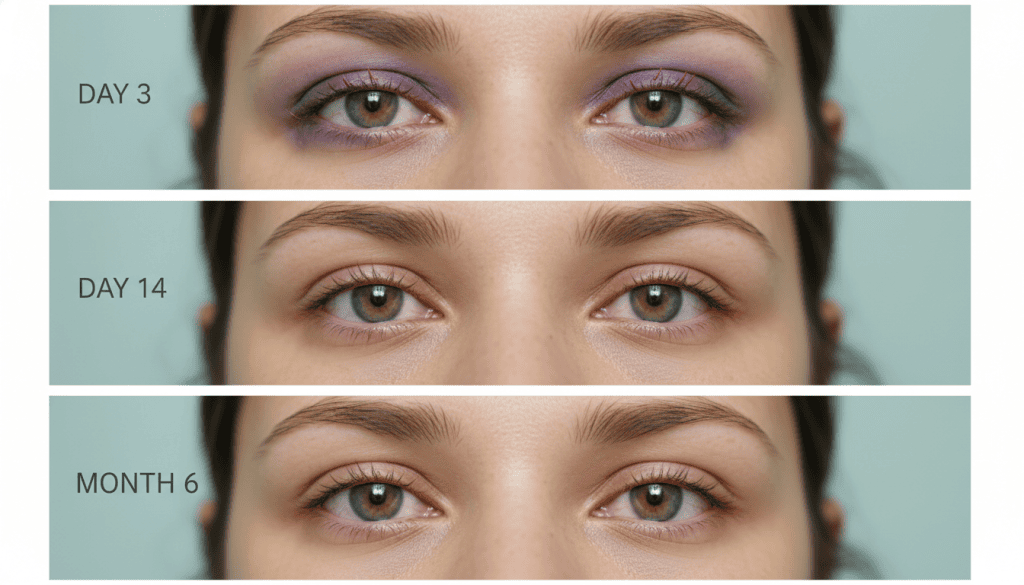
During the first 72 hours, the body responds to the surgical incision with acute inflammation. You will experience the peak of swelling and potential bruising. It is critical to follow specific post-operative precautions during this window to prevent complications like hematoma or asymmetrical swelling.
Phase 2: Initial Healing (Days 4–7)
By day 5 or 7, the incision edges have typically fused enough for stitch removal. This is a major milestone in your eyelid surgery recovery in Korea, as the removal of sutures significantly reduces the ‘tugging’ sensation and allows the swelling to subside faster.
Phase 3: Settling (Weeks 2–4)
This is the ‘social readiness’ phase. Major bruising has usually yellowed and faded. While ‘sausage-like’ swelling (thick appearance above the crease) may persist, the eyes begin to take on their new shape. Patients often return to work or light social activities during this period.
Phase 4: Refinement (Months 1–6)
The internal tissues continue to soften. The scars, initially pink or red, begin to fade into a thin, silvery line that is nearly invisible when the eyes are open. By the 6-month mark, the final height and depth of the crease are fully established.
| Recovery Phase | Key Symptoms | Action Required |
|---|---|---|
| Days 1–3 | Peak swelling, bruising, tightness | Cold compress, head elevation, rest |
| Days 5–7 | Itching, decreasing swelling | Stitch removal, start warm compress |
| Weeks 2–4 | Residual swelling, pink incision line | Light makeup, sun protection |
| Months 3–6 | Final crease definition, scar fading | Final follow-up, long-term maintenance |
2. The First 72 Hours: Managing Immediate Swelling and Bruising
The first three days are the ‘Golden Time’ for eyelid surgery recovery in Korea. How you manage this period dictates the speed of your overall healing. In Seoul’s leading clinics, surgeons emphasize two main pillars: Cryotherapy (Cold Packs) and Postural Drainage.
The Power of Cold Compresses
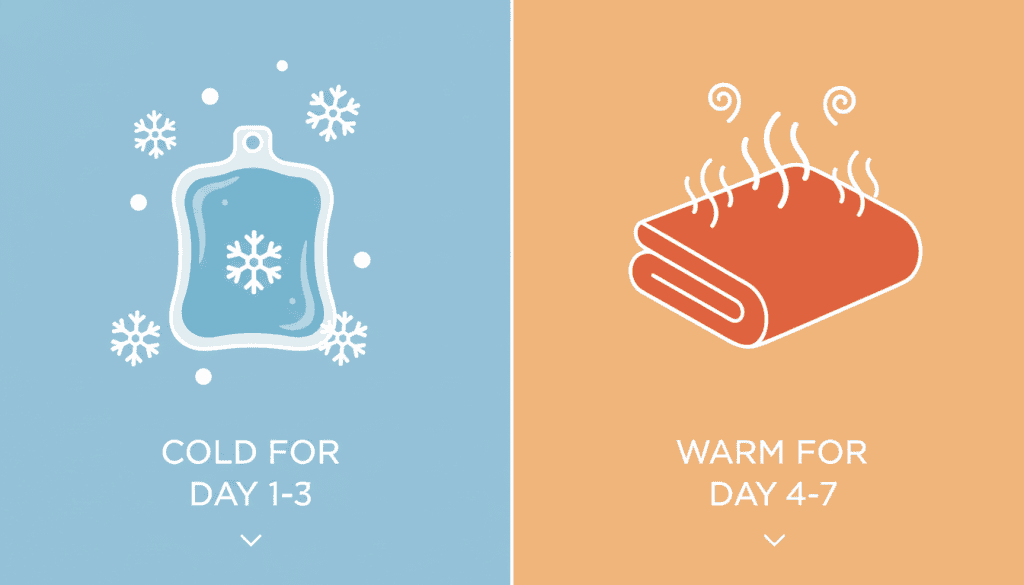
During the first 48 to 72 hours, blood vessels are prone to leaking fluid into the surrounding tissues. Applying cold packs constricts these vessels. However, it is vital not to apply ice directly to the skin or the incision. Use a clean gauze or a thin cloth barrier. Apply for 15-20 minutes every hour while awake.
Sleep Hygiene and Elevation
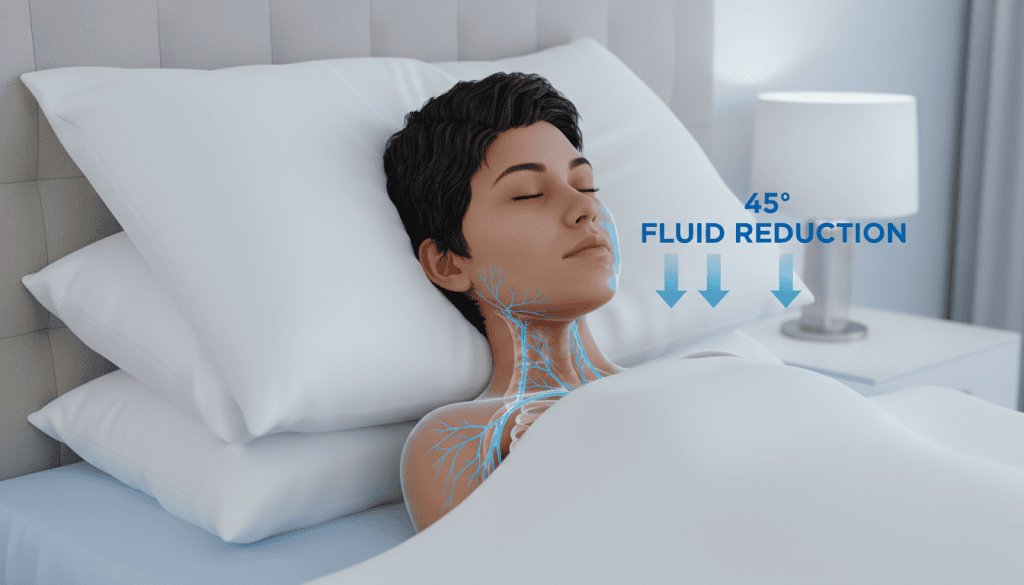
Gravity is your best friend during early recovery. Sleeping with your head elevated at a 30 to 45-degree angle (using 2-3 pillows) prevents fluid from pooling in the orbital area. In Korea, many patients use specialized ‘neck pillows’ to ensure they don’t roll onto their sides during sleep, which could cause asymmetrical swelling.
Managing Discomfort
Most patients describe the sensation not as sharp pain, but as tightness or a heavy feeling. Over-the-counter pain relief is usually sufficient, but avoid aspirin or ibuprofen unless cleared by your doctor, as these can increase bruising. If you have concerns, you can always contact our medical team via WhatsApp for immediate guidance.
3. Week 1 of Eyelid Surgery Recovery Korea: Stitches Removal and Social Readiness
As you enter the end of the first week, the focus shifts from preventing swelling to promoting circulation. This transition is a hallmark of the sophisticated approach to eyelid surgery recovery in Korea.
The Switch: From Cold to Warm
After the initial 72 hours, the risk of bleeding decreases. At this point, we recommend switching to warm compresses. Warmth promotes blood flow, which helps the body reabsorb the bruised blood and lymph fluid more efficiently. Ensure the compress is comfortably warm, never hot, as the eyelid skin is extremely thin and sensitive post-surgery.
The Stitch Removal Experience
Removing sutures (usually between Day 5 and Day 7) is a quick procedure. Patients often feel an immediate sense of relief as the tension on the skin is released. This is also when your surgeon will perform a check-up to ensure the double eyelid surgery or blepharoplasty is healing symmetrically
Venture Outside: Seoul’s Walking Therapy
In Korea, surgeons often recommend ‘light walking.’ Walking improves systemic circulation without raising blood pressure to dangerous levels. Many international patients find that light strolls through Seoul’s parks help reduce swelling faster than complete bed rest.
4. From Weeks 2 to 4: Watching Your Natural Crease Appear
By the second week, the ‘scary’ part of recovery is over, but the ‘patience’ part begins. This phase is characterized by the resolution of minor asymmetries and the softening of the surgical site.
The ‘Sausage’ Effect and Residual Swelling
It is common for the area between the lash line and the new crease to look slightly puffy—often called the ‘sausage effect’ in popular recovery forums. This is normal. It occurs because the lymphatic drainage in the eyelid is temporarily disrupted by the incision. It will naturally resolve as the internal tissues heal.
Returning to Your Routine
- Makeup: You can generally start wearing eye makeup 2 weeks after surgery, once the incision is completely closed.
- Contact Lenses: Most surgeons suggest waiting 2–3 weeks to avoid pulling on the eyelids during insertion and removal.
- Exercise: Light cardio is okay after 2 weeks, but heavy weightlifting or swimming should wait until the 4-week mark.
5. Essential Aftercare Tips for a Smooth Eyelid Surgery Recovery in Korea
Why is recovery in Korea often faster and more successful? It comes down to the holistic aftercare programs provided by specialized clinics like View Plastic Surgery. We don’t just send you home; we actively manage your healing.
Professional Swelling Care
In our Seoul clinic, we utilize advanced medical technology to speed up recovery:
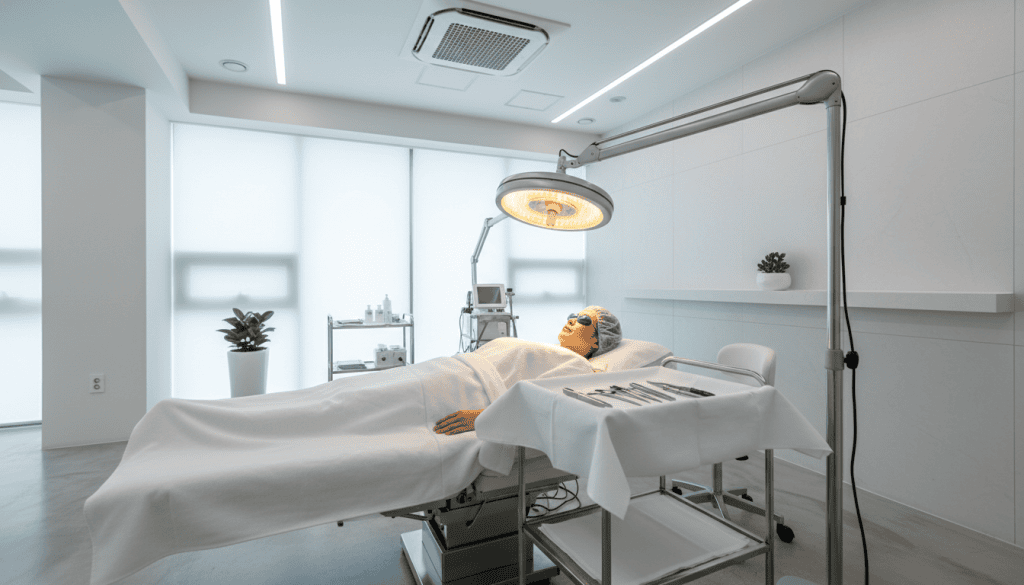
- HEALITE II LED Therapy: Specific wavelengths of light that stimulate cellular repair and reduce inflammation.
- Deswelling Injections: In cases of persistent swelling, mild treatments can be administered to help the body flush out toxins.
- Scar Management: We provide specialized ointments and laser treatments to ensure the incision line becomes virtually invisible.
Dietary Considerations
To optimize eyelid surgery recovery in Korea, many local patients consume ‘Pumpkin Juice’ (Hobak-jeup), which is traditionally believed to reduce edema. Clinically, staying hydrated and maintaining a low-sodium diet is essential to prevent water retention in the delicate eye area.
6. Long-term Results: How to Maintain Your Youthful Look After Recovery
The journey of eyelid surgery recovery in Korea concludes between 3 to 6 months. This is when the tissues have fully matured, and the final aesthetic result is visible. However, maintaining these results requires long-term care.
Sun Protection is Non-Negotiable
New scar tissue is highly sensitive to UV rays. Exposure to the sun in the first 6 months can cause ‘post-inflammatory hyperpigmentation,’ making the scar darker. Always wear sunglasses and apply a gentle, medical-grade SPF around the eyes.
Moisturization and Eye Health
Keep the eye area hydrated. As we age, skin elasticity decreases. Following your recovery, integrating a high-quality eye cream and staying hydrated will help maintain the crispness of your new crease. For those considering additional enhancements or follow-ups, we recommend a formal consultation with our specialists.