




In the landscape of 2026 aesthetic medicine, Seoul remains the global epicenter for facial rejuvenation. As the physiological process of senescence affects the structural integrity of the facial soft tissues, patients increasingly seek definitive surgical interventions. However, the nomenclature of rhytidectomy can be complex. Choosing between a Mini Lift vs Full Facelift in Korea requires a nuanced understanding of anatomical aging, surgical depth, and long-term aesthetic goals.
At View Plastic Surgery, we prioritize a biomechanical approach to facial lifting. This exhaustive guide explores the clinical distinctions between these two procedures, helping you navigate the decision-making process with medical precision.
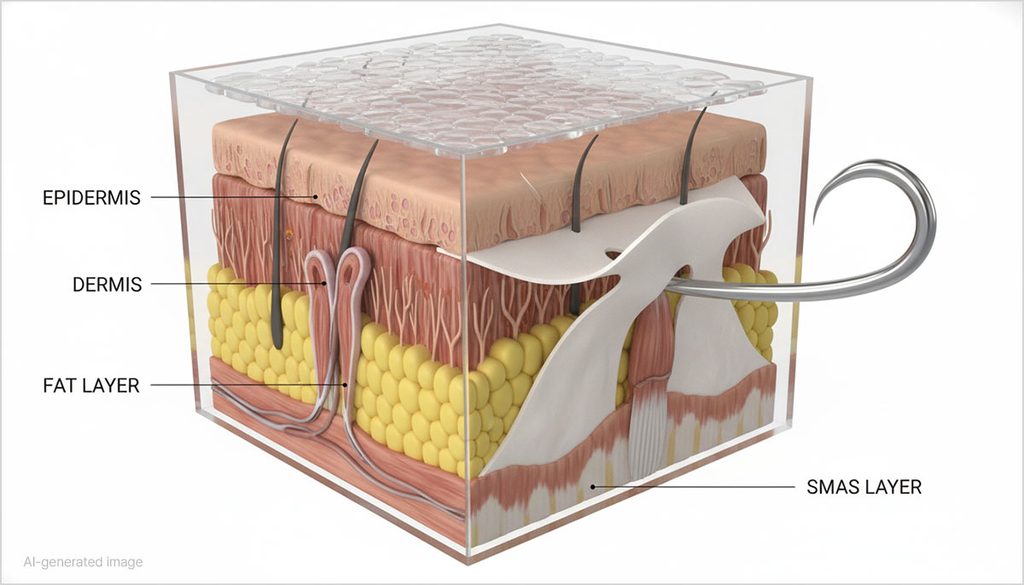
1. Choosing the Right Lift: Age-Specific Recommendations for 30s to 60s
Facial aging is a multi-vector process involving fat compartment atrophy, skin elastosis, and the attenuation of retaining ligaments. The choice between a mini lift and a full facelift is primarily dictated by the degree of tissue laxity rather than chronological age alone.
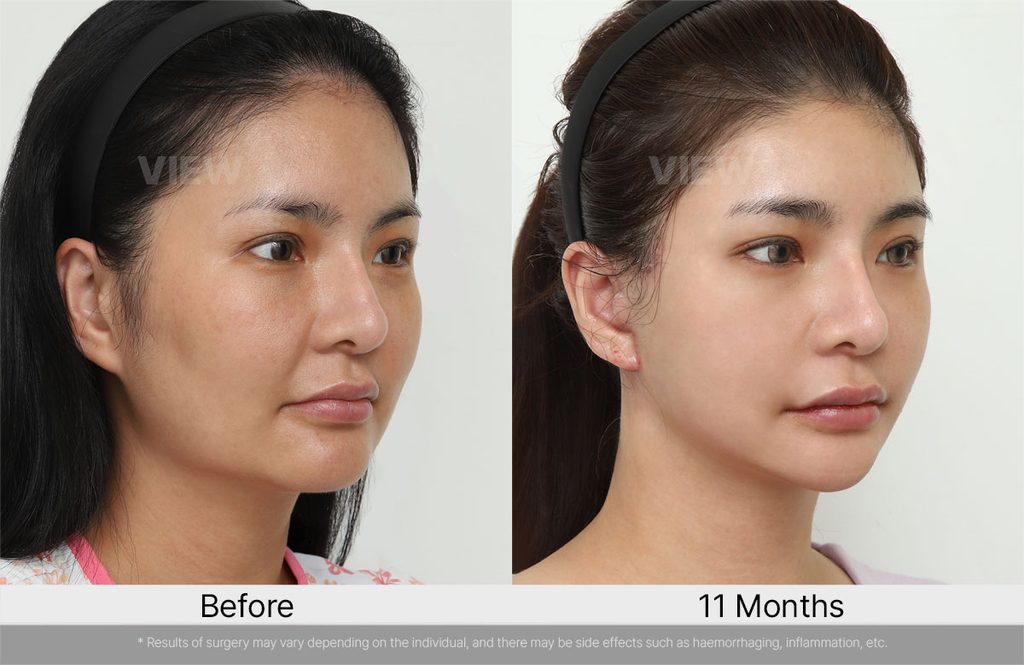
The 30s and 40s: Preventative and Corrective Mini Lifts
For patients in their 30s and 40s, aging often manifests as early malar fat pad descent and the initial formation of nasolabial folds. At this stage, skin elasticity remains relatively high. A Mini Facelift in Seoul is often the preferred modality. It focuses on the lower third of the face, addressing early jowling without the need for extensive retroauricular incisions. It serves as a structural maintenance procedure that preserves the youthful “V-line” contour common in Korean aesthetic standards.
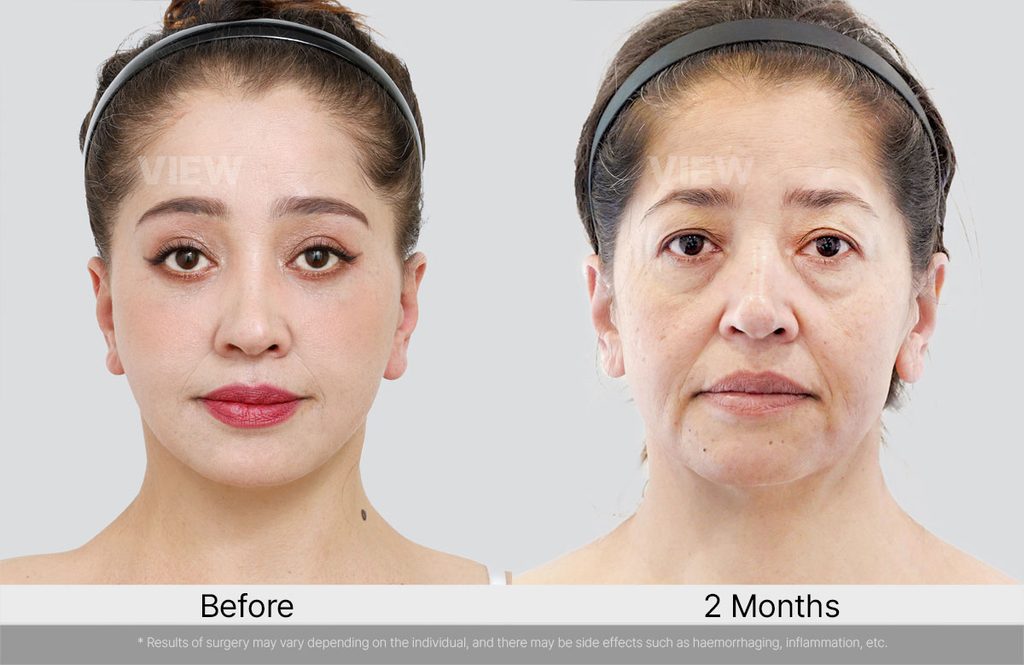
The 50s and 60s: Comprehensive Restoration with a Full Facelift
As patients enter their 50s and 60s, the anatomical changes become more systemic. We observe significant platysmal banding in the neck, deep structural sagging of the mid-face, and pronounced redundant skin. A mini lift is frequently insufficient for this demographic. A full SMAS Facelift in Seoul is required to reposition the deep tissue layers and excise significant excess skin. This comprehensive approach ensures that the neck and jawline are harmonized, preventing a disjointed appearance where the face looks young but the neck reveals advanced age.
2. Procedure Breakdown: Anesthesia, Surgery Time, and Techniques
The technical execution of these procedures involves distinct surgical philosophies. Understanding the intraoperative details is vital for informed consent.
The Mini Lift: Precision and Efficiency
The mini lift is characterized by a limited incision, typically following the natural contour of the tragus and extending slightly into the sideburn.
- Anesthesia: Frequently performed under local anesthesia with deep sedation (Twilight Anesthesia).
- Duration: 60 to 90 minutes.
- Dissection: The dissection is localized to the lower cheek area. While some clinics perform a “skin-only” lift, View Plastic Surgery emphasizes that even a mini lift must involve SMAS manipulation to prevent early relapse.
The Full Facelift: Advanced SMAS Architecture
A full facelift is a high-complexity surgical procedure. The incision begins in the temple hair, curves around the front of the ear, and extends behind the ear into the posterior scalp.
- Anesthesia: General anesthesia is standard to ensure patient comfort and airway security during the 3+ hour procedure.
- Duration: 3 to 5 hours, depending on whether neck dissection (Platysmaplasty) is included.
- The Deep Plane vs. SMAS: In 2026, the gold standard in Korea involves deep-plane dissection where the retaining ligaments are released, allowing the tissues to be moved without tension. This avoids the “pulled” look and provides results that can last over a decade.
| Feature | Mini Lift (Lower Face) | Full Facelift (Face & Neck) |
|---|---|---|
| Anesthesia | Local + Sedation | General Anesthesia |
| Incision Size | 2-4 cm (Pre-auricular) | Extended (Temple to Post-auricular) |
| Surgical Time | ~1 Hour | 3-5 Hours |
| Target Areas | Jowls, Jawline | Midface, Jowls, Neck, Platysma |
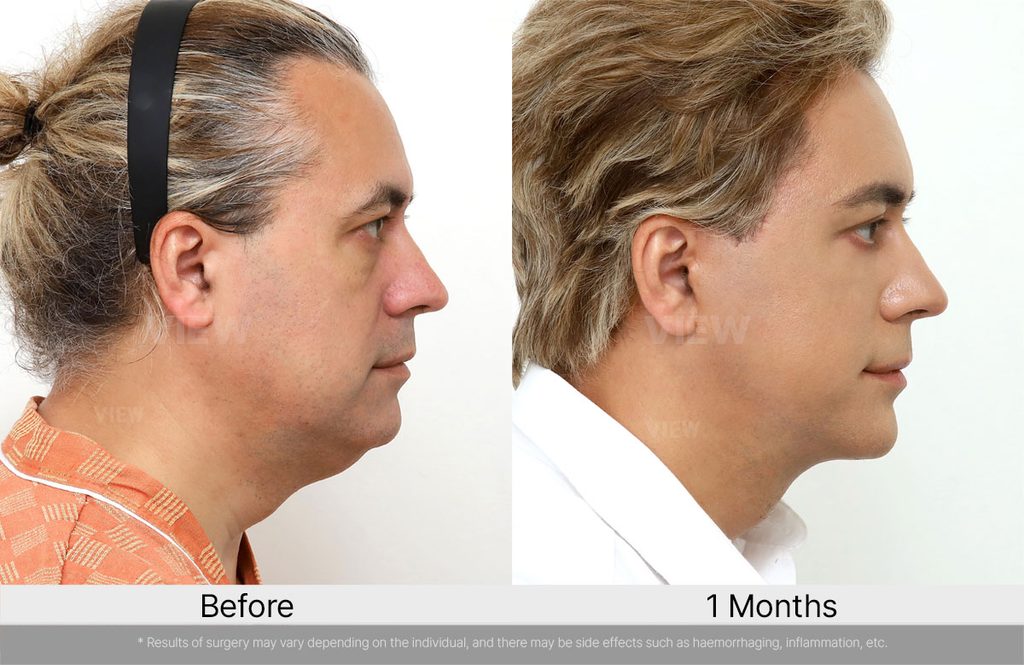
3. Mini Facelift Cost Seoul: Is it More Economical Than a Full Facelift?
When analyzing the Mini Facelift Cost in Seoul, one must consider the “Value over Time” metric. While the initial ticket price of a mini lift is lower, its utility is limited if the patient requires significant structural change.
In 2026, the estimated cost ranges in Seoul are as follows:
- Mini Facelift: Approximately KRW 11 million
- Full Facelift: Approximately KRW 14 million
The price variance is attributed to the surgeon’s experience, the complexity of the SMAS dissection, and the inclusion of adjunct therapies like fat grafting or laser resurfacing. At View Plastic Surgery, we emphasize that a “bargain” facelift often leads to secondary revision surgeries, which are exponentially more expensive and technically difficult. Investing in a high-quality primary lift using advanced SMAS techniques is the most economical decision long-term.
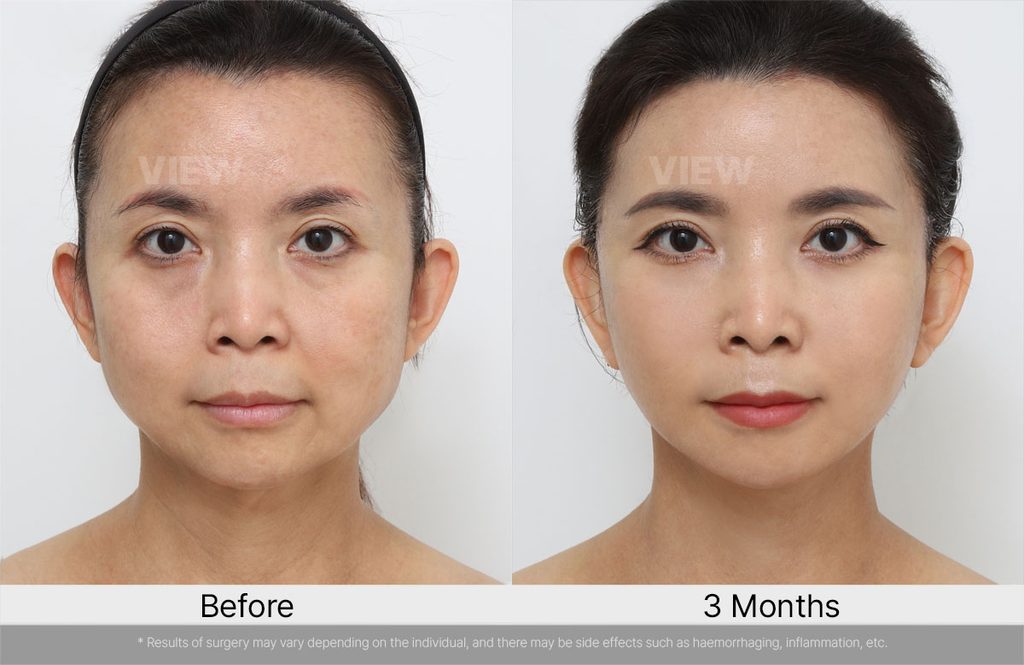
4. Recovery Comparison: The ‘Weekend Lift’ vs. 2-Week Transformation
The Mini Facelift Recovery Time is one of its most attractive features for medical tourists and busy professionals. However, a full facelift offers a more profound transformation that justifies the longer downtime.
Mini Lift Recovery Timeline
- Day 1-2: Mild swelling and bruising. Most patients require only basic analgesics.
- Day 3-5: Swelling begins to subside. Patients can often return to office work and social activities, earning it the nickname “The Weekend Lift.”
- Day 7: Suture removal and final check-up.
Full Facelift Recovery Timeline
- Day 1-3: Significant swelling. A surgical drain may be used to prevent hematoma. Wearing a compression garment is mandatory.
- Day 7-10: Major bruising fades. Sutures are removed. Social downtime typically lasts until this point.
- Day 14+: Most patients feel comfortable appearing in public without medical camouflage. Internal healing and nerve sensation recovery continue for 3-6 months.
5. Strategic Questions to Ask Your Surgeon: Dissection Depth and Portfolio
Before committing to surgery, a detailed consultation is essential. You must move beyond surface-level questions to assess the surgeon’s technical rigor.
The SMAS Criticality
A frequent mistake in “Mini Lifts” is the failure to address the SMAS layer. Ask: “Do you perform a SMAS plication (folding) or a SMASectomy (removing a portion and tightening)?” For long-lasting results in Seoul, SMAS manipulation is non-negotiable. If a surgeon suggests only skin tightening, the results will likely vanish within 12-18 months.
Checklist for Your Surgeon:
- Incision Placement: Can I see photos of the scars at 6 months post-op? (Look for tragal distortion).
- Dissection Depth: How do you protect the facial nerve during deep-plane or sub-SMAS dissection?
- Experience: How many full facelifts do you perform annually specifically for international patients with different skin thicknesses?
6. Planning Your Trip to Seoul: Tax Refunds and Personalized Consultations
Seoul’s medical infrastructure is designed for international convenience. In 2026, South Korea continues to offer a Value Added Tax (VAT) Refund for foreign patients undergoing cosmetic surgery. This can result in a 7-10% reduction in total costs, effectively covering your local accommodation or flights.
To maximize your trip, we recommend a digital-first approach. Start with a remote assessment to determine if you are a candidate for a mini lift or a full facelift. You can initiate this process directly via WhatsApp Consultation, where our coordinators provide preliminary surgical plans and cost estimates based on your photos.
Conclusion: Whether you opt for the quick recovery of a mini lift or the transformative power of a full facelift, the key is surgical expertise. At View Plastic Surgery, we combine anatomical science with aesthetic artistry to ensure your results are both dramatic and naturally beautiful. Contact us today to begin your journey to a younger you.