
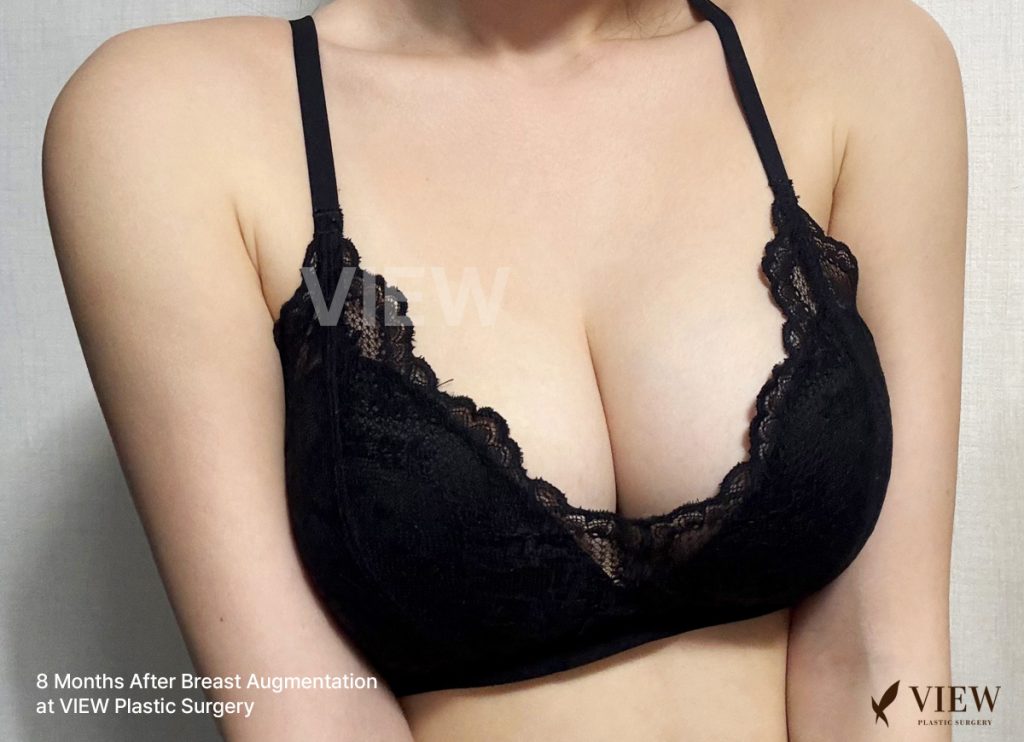
An exhaustive medical guide on breast implant CC to cup size. Learn how 300cc breast implant size interacts with rib cage width, profile selection, and tissue density.
In the realm of aesthetic medicine, particularly within competitive landscape of Best Breast Surgery Seoul offers, one of the most persistent myths is fixed correlation between cubic centimeters (CC) and bra cup sizes. Patients frequently enter consultations requesting a ‘full C-cup’ under the assumption that a specific volume, such as a 300cc Breast Implant Size, will universally yield that result. However, from a clinical and reconstructive perspective, transition from Breast Implant CC to Cup Size is governed by complex anatomical variables rather than a linear equation.
At VIEW Plastic Surgery in Gangnam, Seoul, we emphasize a scientific approach to breast augmentation, prioritizing ‘Scientific Silhouette’ over arbitrary alphabet labels. This guide provides an exhaustive analysis of how volume, profile, and thoracic dimensions interact to create your final post-operative result.
1. The Physics of Volume vs. The Geometry of Circumference
To understand why What cup size is 300cc? has no single answer, we must first define our metrics. Cubic centimeters (CC) measure volume—total amount of space the silicone gel or saline occupies. In contrast, a bra cup size is a measurement of circumference difference. Specifically, it is the delta between underbust (rib cage) circumference and overbust (fullest part of breast) circumference.
The Mathematical Disconnect
A standard cup size typically increases for every 1 inch (approximately 2.54 cm) of difference between underbust and overbust. However, a 300cc Breast Implant Size does not equate to a 1-inch increase in projection for every woman. For a patient with a very narrow chest wall, that 300cc must project forward, potentially adding 2 inches of circumference. For a patient with a wide chest wall, that same volume spreads across a larger surface area, perhaps adding only 0.5 inches of projection. This fundamental geometric variance is why a Breast Implant CC to Cup Size chart can only serve as a loose approximation.
| Variable | Impact on Cup Size | Clinical Explanation |
|---|---|---|
| Underbust Width | High | Narrower frames achieve higher cup increases with less volume. |
| Implant Profile | Very High | High profiles increase anterior projection (cup size) without increasing base width. |
| Existing Tissue | Moderate | Pre-existing parenchyma adds to the total volume (Base + Implant). |
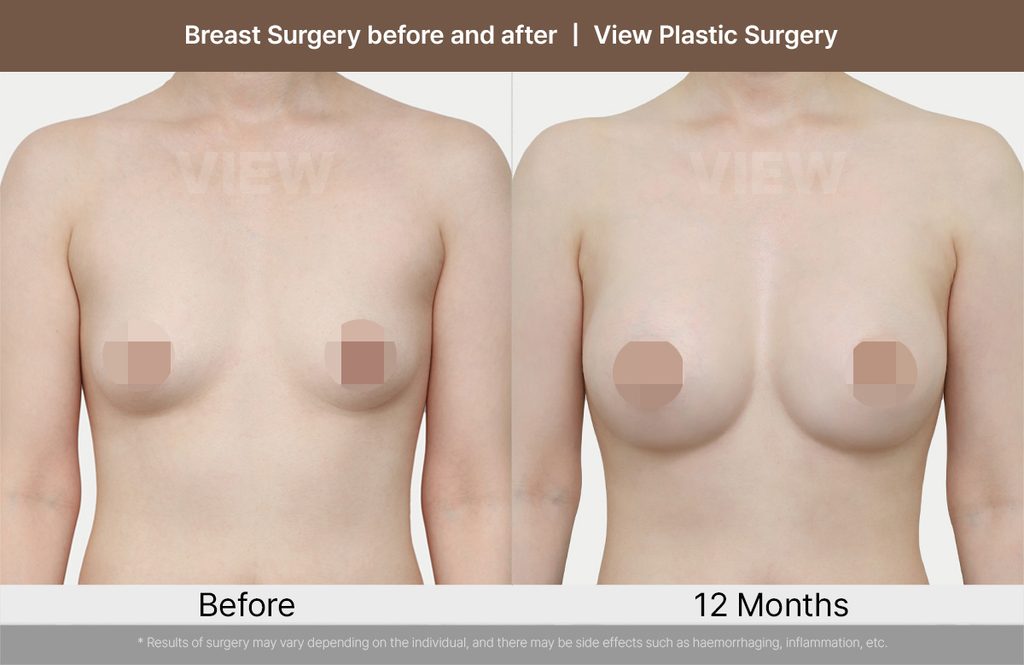
2. 300cc Breast Implant Size: How Your Chest Width Changes the Result
The most critical anatomical determinant in Breast Implant CC to Cup Size calculations is the patient’s base diameter (width of natural breast tissue on chest wall). Before any surgery, a comprehensive breast examination is required to measure distance between sternum and anterior axillary line.
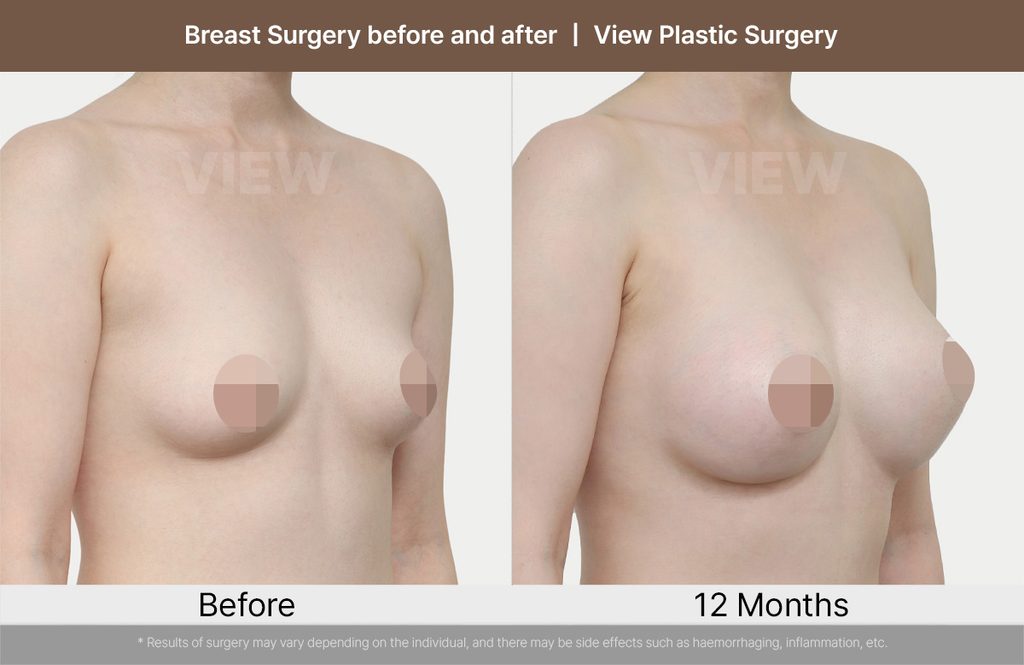
Case Study: The 70cm vs. 80cm Ribcage
Consider two hypothetical patients, both receiving a 300cc Breast Implant Size:
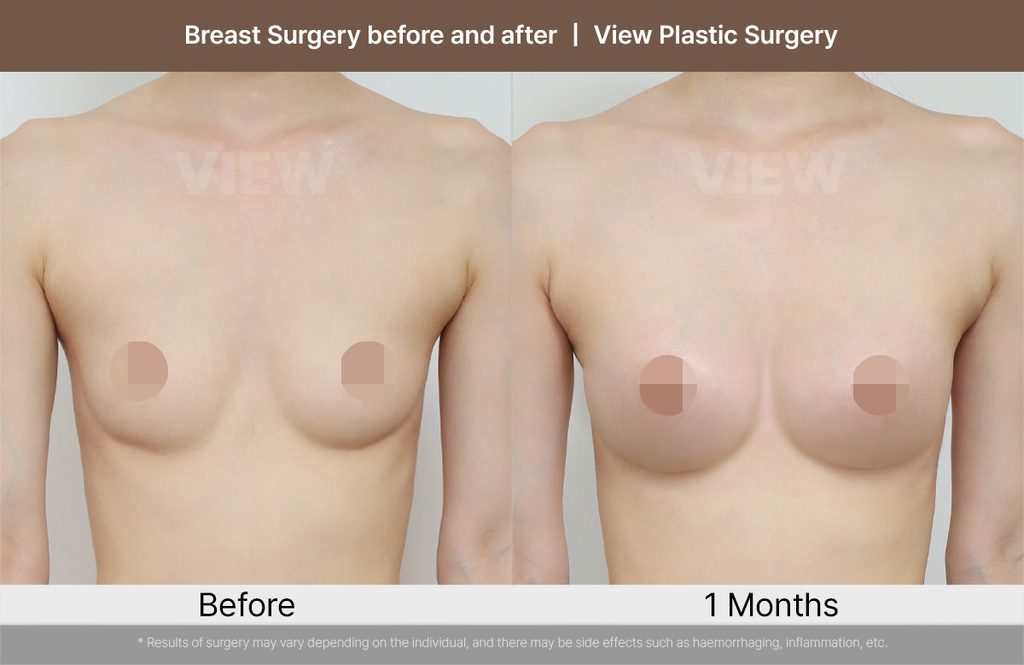
- Patient A (Petite/Narrow): Underbust of 70cm. A 300cc implant (e.g., Motiva Ergonomix High Profile) may provide enough anterior projection to move her from an A-cup to a full D-cup because volume is concentrated in a narrow horizontal space.
- Patient B (Broad/Athletic): Underbust of 80cm. That same 300cc volume must be distributed over a wider chest wall. To avoid an unnatural gap between breasts ( ‘cleavage gap’), a wider base implant is used. This results in less forward projection, likely resulting in a modest B or small C-cup.
This is why achieving the Best Breast Surgery Seoul standard requires more than just picking a number; it requires 3D torso mapping to ensure implant base diameter to match patient’s skeletal frame.
3. What Cup Size is 300cc? The Role of Implant Profiles
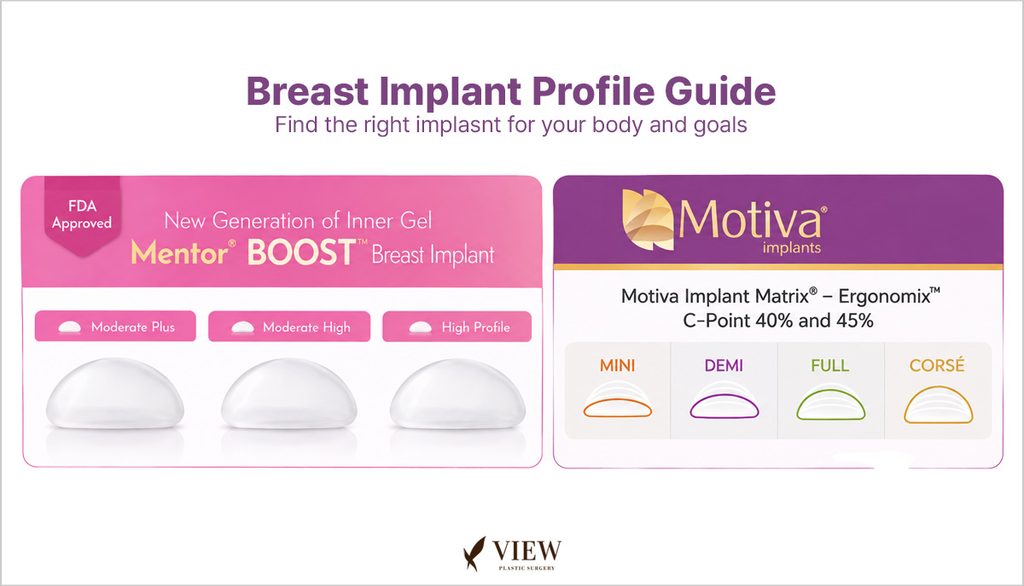
When patients ask What cup size is 300cc?, asurgeon must immediately look at the Breast Implant Profile Comparison. “Profile” refers to how far implant projects forward relative to its base width. Modern implants, such as those from Motiva, Sebbin, or Mentor, typically come in four profiles: Low, Moderate (or Demi), High, and Extra High (Corsé).
High Profile vs. Low Profile
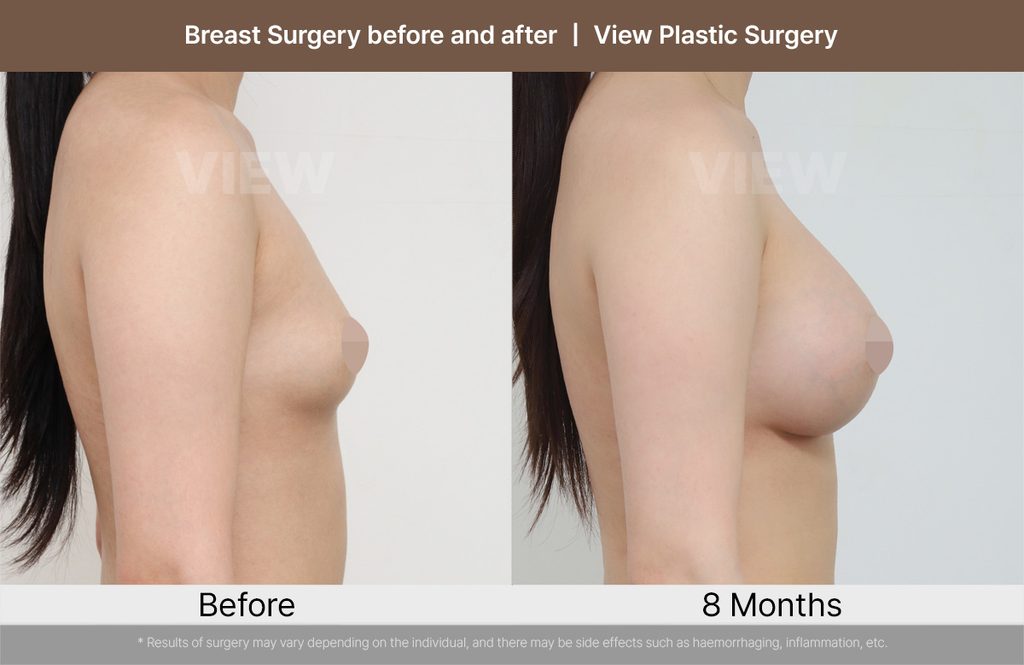
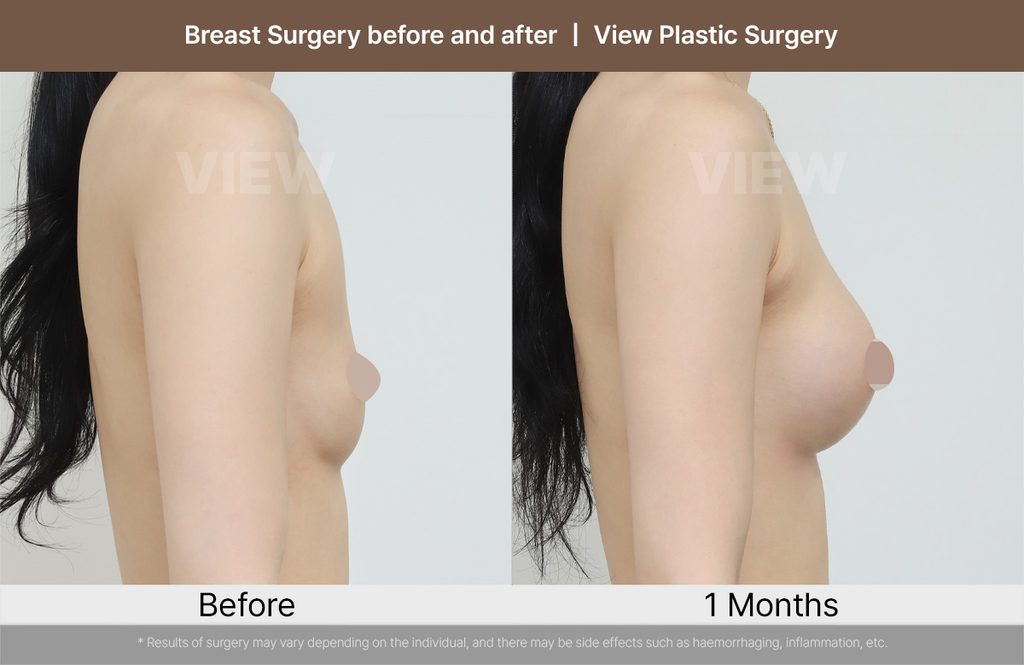
A 300cc Breast Implant Size in a High Profile is narrow and tall. It is designed for women with narrow chests who want significant projection. This will almost always result in a larger cup size increase. Conversely, a 300cc Low Profile implant is wide and flat. It is used to fill out lateral breast or for patients with very wide chest walls who do not want a dramatic increase in cup size, but rather a fuller shape.
For many Asian patients who naturally have thinner subcutaneous fat layers and narrower rib cages, a Moderate-Plus or High Profile is often thestrategic choice. This allows for a significant Breast Implant CC to Cup Size transition without implant edges being palpable at chest periphery. You can see how these profiles look in real clinical outcomes by visiting our breast surgery before and after gallery.

4. Strategic Implementation: Focus on Clothing Silhouette Over Cup Labels
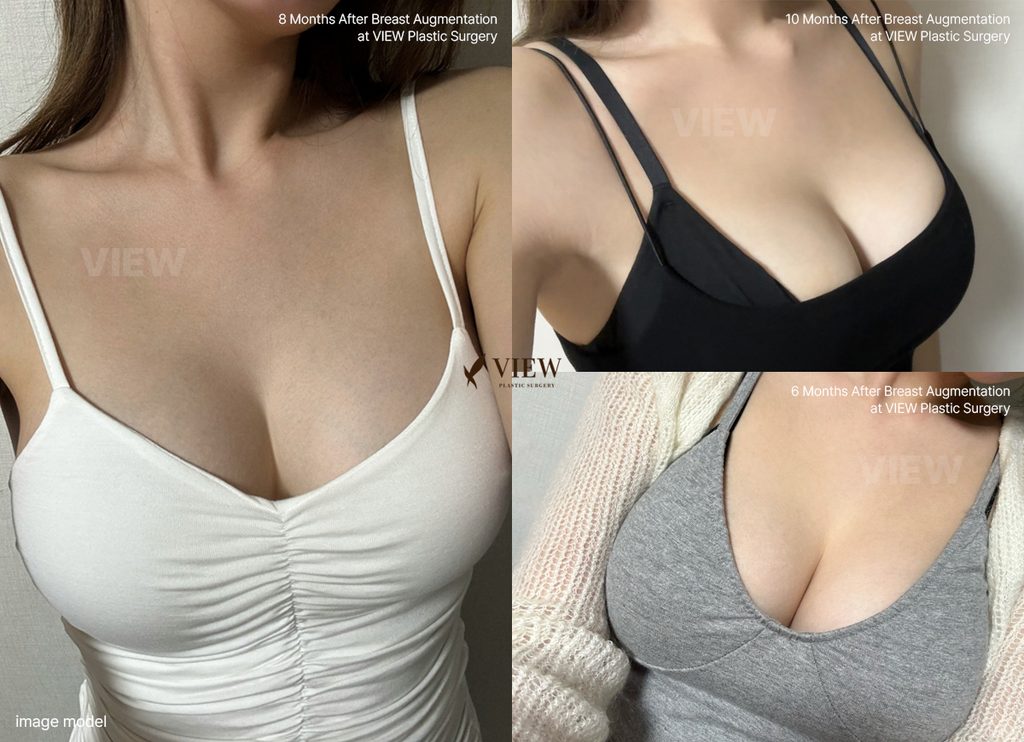
Successful breast augmentation isn’t about hitting an ‘alphabet goal’; it’s about how your body interacts with clothing and your overall proportions. When planning your Breast Implant CC to Cup Size, consider the following clinical insights:
The “Drop and Fluff” Period
Immediately after surgery, the breasts appear high and tight due to muscle tension and edema (swelling). Patients often feel they have achieved a ‘D-cup’ initially. However, as tissues heal and implant settles into thepocket (the ‘drop and fluff’ phase), upper pole fullness softens. This can lead to a psychological ‘size drop,’ even though volume remains same. At View Plastic Surgery, we advise patients to choose a volume that feels slightly larger than their ‘ideal’ to account for this natural softening.
Cleavage and Lateral Fullness
A C-cup in a push-up bra looks different than a C-cup in a sports bra. If your goal is high cleavage (medial fullness), asurgeon might suggest a slightly higher CC or a different profile than if your goal is a natural, teardrop-shaped lateral fullness. This is why browsing our main breast surgery page is essential to understand the different aesthetic outcomes possible with various techniques.
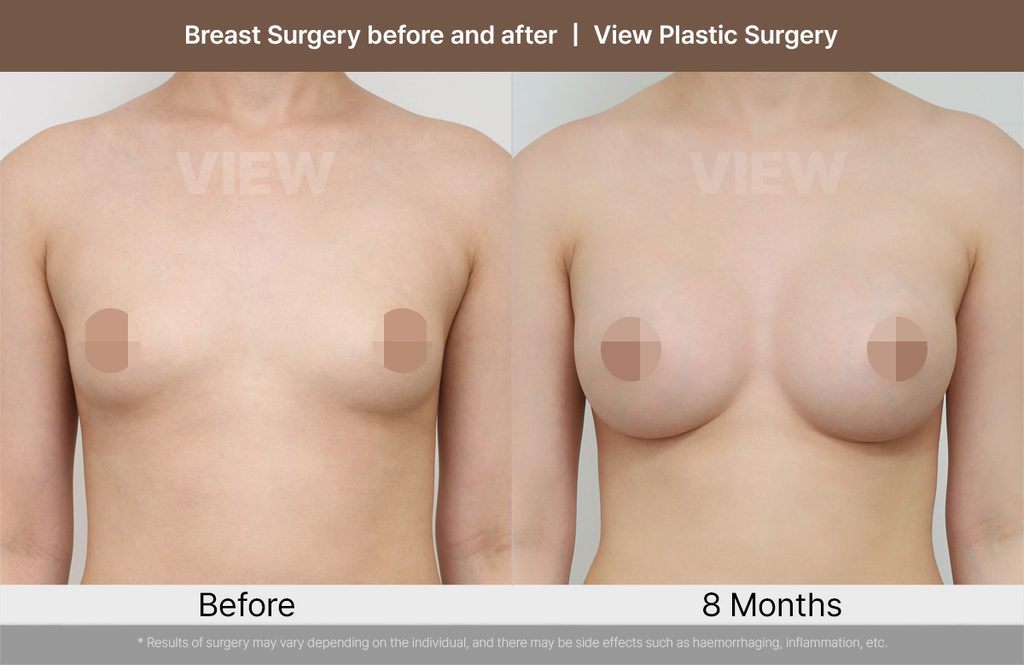
5. Designing a Scientific Silhouette: View Our 2026 Virtual 3D Implant Chart
As we move into 2026, reliance on manual measurements is being replaced by 1:1 virtual simulations. Determining What cup size is 300cc? on your specific body is now a predictable science. By analyzing skin elasticity (the ‘pinch test’), rib cage circumference, and existing breast volume, we can generate a predictive report.
Don’t leave your Breast Implant CC to Cup Size to guesswork. If you are planning to visit Seoul for the Best Breast Surgery Seoul can provide, we recommend a preliminary digital assessment. By sharing your underbust measurements and current cup size via WhatsApp, our specialists can provide a 1:1 virtual prediction using our 2026 implant database.
Ready to move beyond the CC myth? Book your comprehensive consultation today and discover the perfect volume for your unique anatomy.