


1. Breast Augmentation Recovery Seoul: Your Complete Healing Timeline
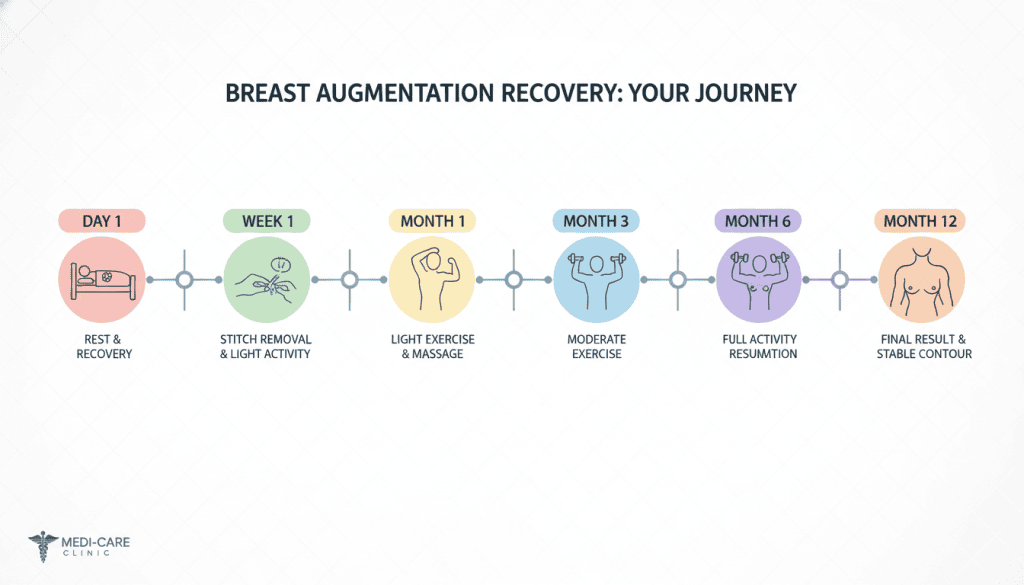
Recovery from breast surgery is a non-linear process involving acute inflammatory responses, tissue remodeling, and eventually, the softening of the prosthesis within the breast pocket. In Seoul, clinics like View Plastic Surgery emphasize a ‘Rapid Recovery’ approach, utilizing endoscopic visualization to ensure minimal tissue trauma and precise hemostasis.
| Phase | Physiological Focus | Key Activity |
|---|---|---|
| Acute (1-3 Days) | Pain management, edema control | Complete rest, hydration |
| Early Sub-Acute (1 Week) | Incision healing, light mobility | Stitch removal, short walks |
| Intermediate (1-3 Months) | Implant settling, scar therapy | Transition to soft bras, light gym |
| Maturation (6-12 Months) | Tissue softening, final projection | Annual screening, normal activity |
Biological Integration and Bio-Compatibility
Modern recovery protocols focus heavily on the integration of the implant with the surrounding pectoralis major and glandular tissue. For instance, Motiva Recovery is often faster due to the SmoothSilk® surface, which minimizes the inflammatory response and the risk of capsular contracture. Proper adherence to post-op precautions during these stages ensures that the biological pocket stabilizes correctly.
2. The First 72 Hours: Managing Post-Operative Pain and Swelling
The initial 72 hours are critical for controlling the body’s inflammatory cascade. Pain management in Seoul has evolved to include multimodal analgesia, often starting with a regional nerve block (TAP block or PECS block) administered during surgery to provide 12–24 hours of localized numbness.
Advanced Pain Management Strategies
At View Plastic Surgery, our safe surgery system includes continuous monitoring by board-certified anesthesiologists. Patients are typically prescribed a regimen of NSAIDs and mild analgesics to manage discomfort without the excessive use of opioids, which can cause constipation and delay recovery.
Managing Edema and Seroma Risk
Swelling is a natural physiological response. To mitigate this:
- Elevated Sleep: Maintaining a 30-45 degree angle while sleeping helps lymphatic drainage.
- Compression: A surgical bra or compression bandage is mandatory to stabilize the implants and reduce the dead space where fluid (seroma) could accumulate.
- Cryotherapy: Periodic icing (not directly on the incision) can constrict blood vessels and reduce localized swelling.
3. Week 1 of Breast Augmentation Recovery Seoul: Stitches and Activity
By the end of the first week, most patients experience a significant reduction in acute pain. This is the period where the external sutures are typically addressed, and light mobility begins.
Incision Care and Suture Removal
Depending on whether the incision was inframammary, periareolar, or transaxillary, the care regimen differs. In Korea, many surgeons use absorbable internal sutures coupled with skin glue or small external stitches. If you have external stitches, they are usually removed 7 to 10 days post-op. This is also a vital time to discuss breast examination schedules to monitor internal healing.
Flying After Breast Augmentation
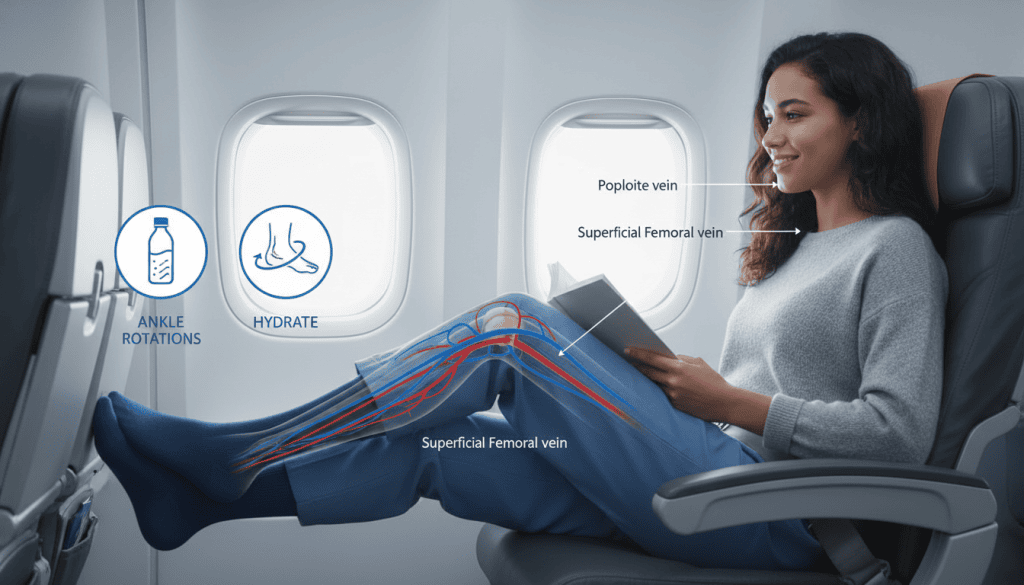
For international patients, a common question is regarding Flying After Breast Augmentation. Generally, medical professionals recommend waiting at least 7 to 10 days before boarding a long-haul flight. The primary concern is Deep Vein Thrombosis (DVT) due to immobility and cabin pressure changes. If you must fly, wear compression stockings, stay hydrated, and perform ankle pumps every 30 minutes.
4. Month 1 to 3: Resuming Exercise and Choosing the Right Bra
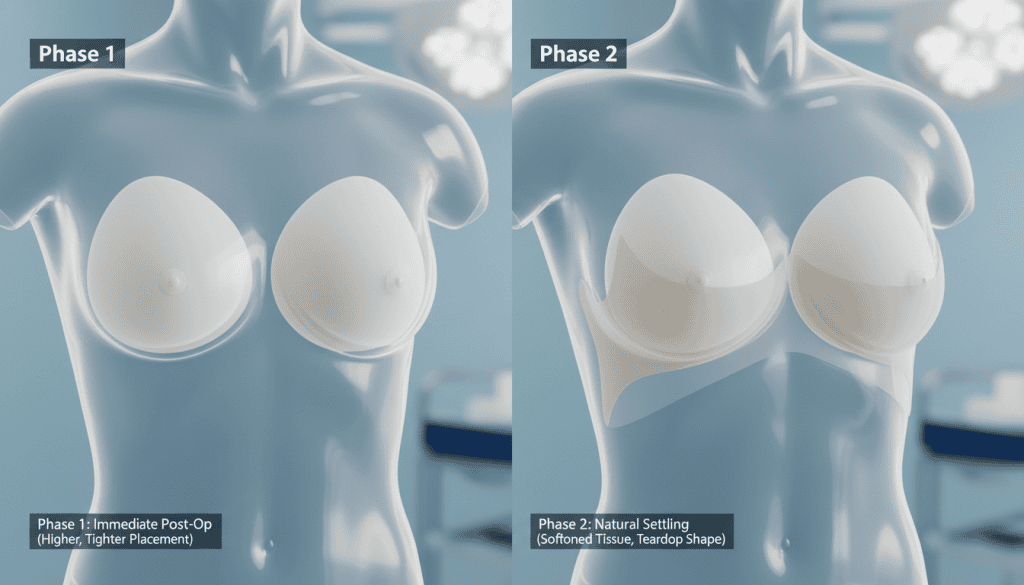
The transition from the “post-surgical look” to a natural silhouette occurs between the first and third months. During this time, the “drop and fluff” process begins—the implants settle into the lower pole of the breast, and the upper pole swelling subsides.
Exercise and Physical Exertion
Resuming physical activity must be gradual to prevent implant displacement or late-onset seroma:
- Weeks 2-4: Light walking only. Avoid lifting anything heavier than 2-3kg.
- Weeks 4-6: Lower body exercises (stationary bike, squats) can begin. Avoid high-impact cardio like running.
- Months 2+: Gradual introduction of upper body weights. Monitor for any “tightness” or discomfort in the pectoral region.
The Importance of the Correct Bra
During the first 6-8 weeks, a supportive surgical or sports bra (without underwire) is essential. Underwire bras should be avoided for at least 3 months as they can irritate the healing incision line and potentially interfere with the formation of the inframammary fold.
5. Advanced Aftercare: Speeding Up Recovery at View Plastic Surgery
One of the reasons Seoul is a premier destination for Post-Op Breast Care is the integration of advanced dermatological and physiotherapeutic technologies into the recovery program.
High-Frequency and Ultrasound Therapy
These treatments promote blood circulation and lymphatic drainage. High-frequency therapy helps in softening the internal scar tissue, which is crucial for achieving a natural ‘feel’ early on. It also aids in the prevention of capsular contracture by ensuring the tissue around the implant remains supple.
Scar Management Systems
To ensure the most discreet results, View Plastic Surgery utilizes specialized lasers (such as the Fraxel or V-Beam) and silicone gel sheeting once the incision has fully closed. This helps in fading redness and flattening the scar, making it virtually invisible over time.
6. Long-term Results: Final Tissue Maturation and Softness
Full recovery and the realization of the “final” result can take up to 12 months. This is when the breast tissue has fully accommodated the new volume and the nerves have largely regenerated.
Sensory Changes and Nerve Regeneration
It is common to experience temporary numbness or hypersensitivity in the nipple or lower breast area. This is due to the stretching of nerves during the pocket creation. In most cases, normal sensation returns within 6 to 12 months as the peripheral nerves regenerate.
The Importance of Regular Check-ups
Even after the recovery is complete, regular monitoring is essential. For those with Motiva implants, the built-in Qid® micro-transponder allows for easy verification of implant data. We encourage all patients to maintain their annual consultation or screening to ensure the long-term integrity of the prosthesis.
[[VISUAL_3]]
Summary of Breast Surgery Recovery Tips Korea
Maximizing your results requires patience and strict adherence to clinical advice. By choosing a facility that offers a comprehensive safety system and specialized aftercare, you ensure that your breast augmentation recovery in Seoul is as smooth as possible. For more personalized information, you can contact our clinical coordinators directly via WhatsApp