



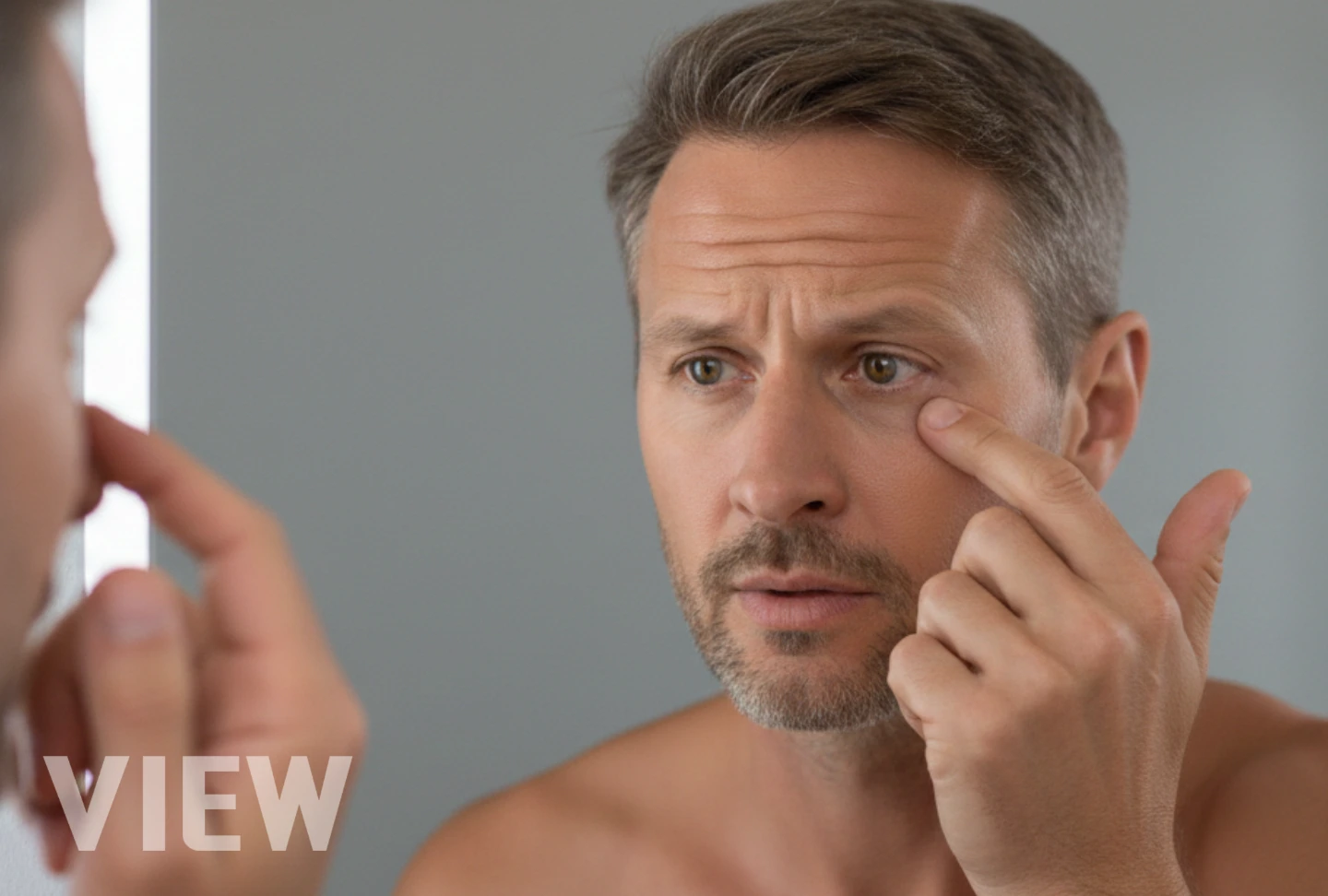
Male Deep Plane Facelift has become a topic of interest recently. When Brad Pitt appeared at recent events like Wimbledon and the F1 Grand Prix, the world didn’t just notice his style—they noticed his face. At 60 years old, the Hollywood icon appeared remarkably youthful, sparking a global conversation. While good genetics play a role, experts and fans alike have speculated about surgical interventions.
Why is everyone talking about it? Because his look represents the pinnacle of modern Male Anti-Aging Surgery: subtle, masculine, and undetectable. Let’s dive into the rumors and the reality of how men are turning back the clock.
The ‘Brad Pitt’ Look: What Changed?

Observers have pointed out that Pitt’s jawline seems tighter and his mid-face more voluminous than in previous years. The most compelling evidence suggested by aesthetic experts is the shape of the tragus (the small cartilage in front of the ear canal) and potential scarring near the earlobe—classic signs of a lift.
However, the key takeaway isn’t the scar, but the result. He doesn’t look “pulled” or “wind-blown.” He simply looks like a refreshed version of himself. This natural outcome is the gold standard we strive for at View Plastic Surgery’s Facelift Center.
Analyzing the Procedures: What is ‘That Surgery’?
If we analyze the potential procedures based on his transformation, two distinct surgeries stand out:
1. The Deep Plane Facelift
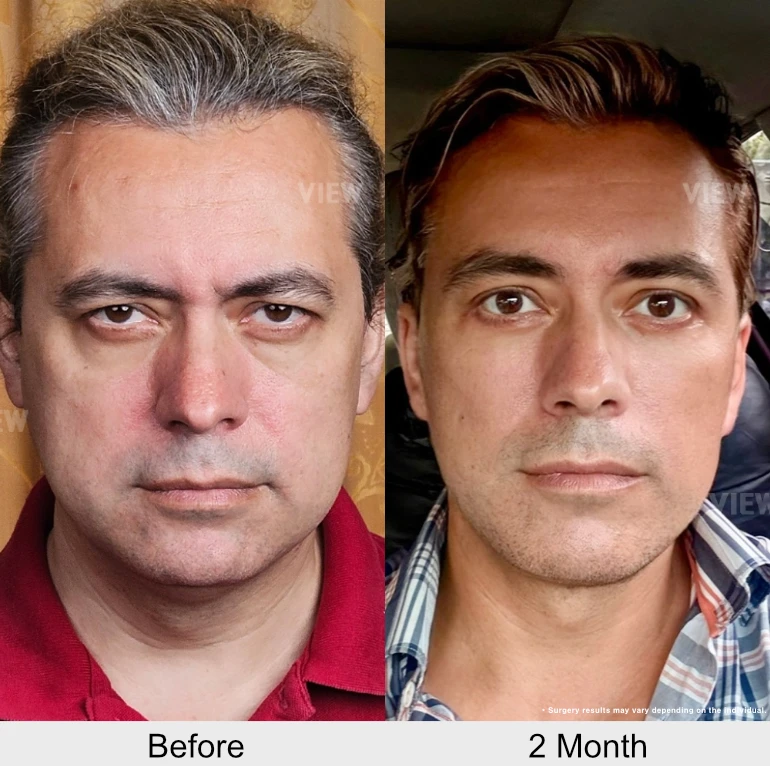
A deep plane facelift is not simply a procedure that tightens the skin. Instead, it focuses on repositioning deeper facial structures, including the SMAS (Superficial Musculoaponeurotic System) and the underlying fat compartments.
By lifting and repositioning these deeper tissues, a deep plane facelift can help restore volume to the midface, soften the appearance of nasolabial folds, and create a more defined jawline. Compared with techniques that rely primarily on pulling the skin, it may also help reduce an overly tight or unnatural appearance.
Male patients, in particular, often prefer to maintain masculine facial contours and natural facial expressions rather than achieving an overly smooth or softened appearance. For this reason, the deep plane facelift has gained attention as an option for male facial rejuvenation.
It can help refine the jawline and the transition between the jawline and neck while maintaining masculine facial contours and a natural overall appearance.
Deep Plane Facelift vs. SMAS Facelift
In recent years, the deep plane facelift has become widely recognized as one of the most advanced facelift techniques. However, in actual clinical practice, deep plane and SMAS facelifts should not simply be viewed in terms of which technique is superior.
The key question is not which procedure is better, but which procedure is better suited to each individual patient.
How are Deep Plane and SMAS Facelifts Different?
A SMAS facelift involves lifting and securing the SMAS layer beneath the skin to improve sagging tissues. Because it addresses not only the skin but also the underlying supporting structures, it can be used to improve overall facial laxity.
In contrast, a deep plane facelift involves accessing a deeper anatomical plane beneath the SMAS and repositioning the skin and underlying soft tissues together. It may be particularly considered for patients with noticeable midface sagging or signs of aging in the central face, such as prominent nasolabial folds.
Is a Deep Plane Facelift More Effective Than a SMAS Facelift?
A deep plane facelift cannot be considered universally more effective than a SMAS facelift.
For patients with relatively thin skin and soft tissue who have noticeable midface descent, a deep plane facelift may help achieve a more natural and harmonious result. On the other hand, patients with thicker skin and a well-developed SMAS layer may achieve sufficient lifting results with a SMAS facelift alone.
Therefore, the appropriate technique should be determined based on a comprehensive assessment of the patient’s skin thickness, soft-tissue characteristics, SMAS layer, degree of facial laxity, and overall pattern of aging.
Ultimately, successful results depend not on the superiority of a particular technique or the name of the procedure itself, but on a personalized surgical plan and precise treatment design tailored to each patient’s facial anatomy and aging characteristics.
2. Upper and Lower Blepharoplasty
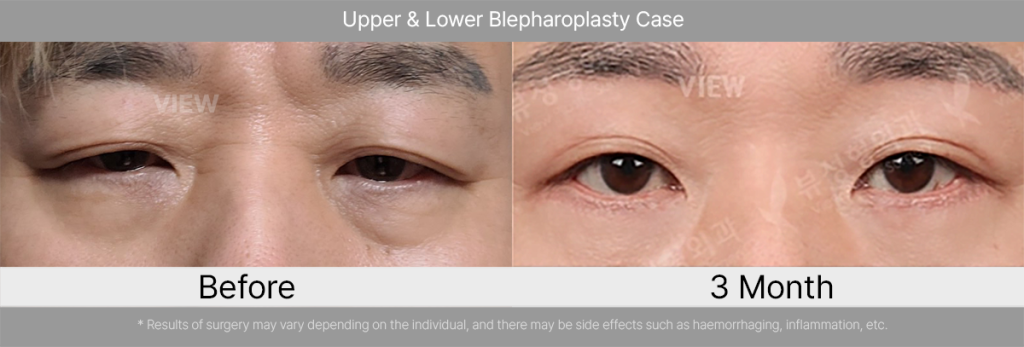
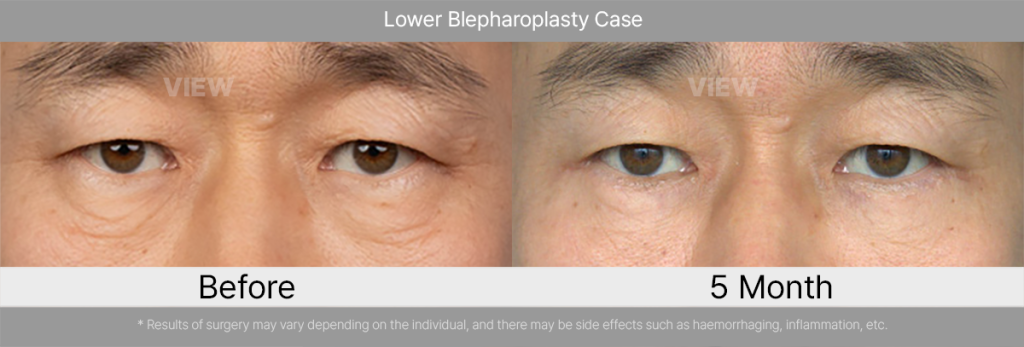
The eyes often age earlier than other facial areas, especially in men who may develop heavy upper lids or noticeable under-eye bags. Upper and Lower Blepharoplasty removes excess skin and fat, improving eyelid heaviness and creating a more awake, alert expression without altering the natural male eye shape.
Lower lid surgery focuses on puffiness, herniated fat, and tear trough hollowing. Modern techniques often emphasize fat repositioning instead of aggressive removal, helping preserve youthful volume and avoiding a hollow or feminized look. Together, these procedures brighten the eyes, reduce tired appearance, and harmonize the upper midface — often with minimal downtime and discreet scars hidden in natural creases.
Trends in Male Anti-Aging

The stigma around male cosmetic surgery is fading rapidly. Men are no longer looking to change their faces; they want to maintain their competitive edge.
Current trends include:
- Jawline Definition: A sharp, angular jawline is a sign of vitality and masculinity.
- Neck Contouring: Removing the “turkey neck” to restore a clean profile.
- Subtle Volume: Avoiding the “puffy” filler look in favor of structural restoration.
- Minimal Downtime: Busy professionals require techniques that heal faster.
Men vs. Women: The Surgical Difference
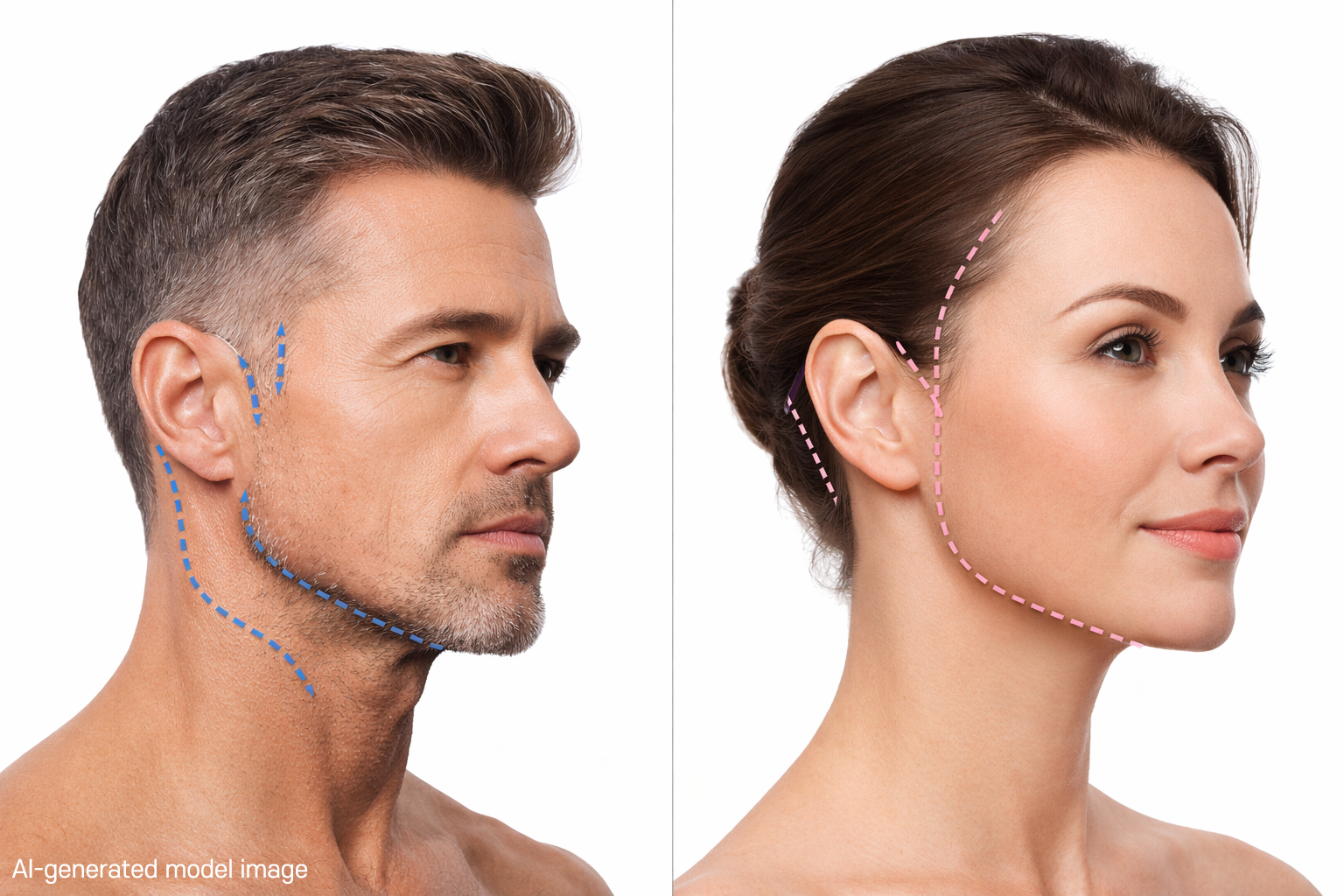
Brad Pitt Plastic Surgery rumors highlight an important medical fact: men require a different surgical approach than women. Men generally have thicker skin, higher vascularity, and different aesthetic goals.
| Feature | Male Anti-Aging | Female Anti-Aging |
|---|---|---|
| Aesthetic Goal | Sharp, defined, rugged (retain some lines) | Soft, smooth, V-line contour |
| Incision Placement | Modified to preserve sideburns & hair growth | Hidden within the hairline or ear tragus |
| Volume Management | Conservative lifting to avoid feminine look | Focus on heart-shaped fullness |
Understanding these differences is crucial. A surgeon experienced in female facelifts might inadvertently feminize a male face if they do not adjust their technique.
Why Men Choose View Plastic Surgery

Whether for career longevity in a youth-obsessed market or personal satisfaction, men deserve results that look like them—just younger.
If you are considering a procedure, it is vital to have a personalized consultation with surgeons who understand the male anatomy. For international patients seeking the highest standard of care, contact us directly on WhatsApp to discuss your options.