
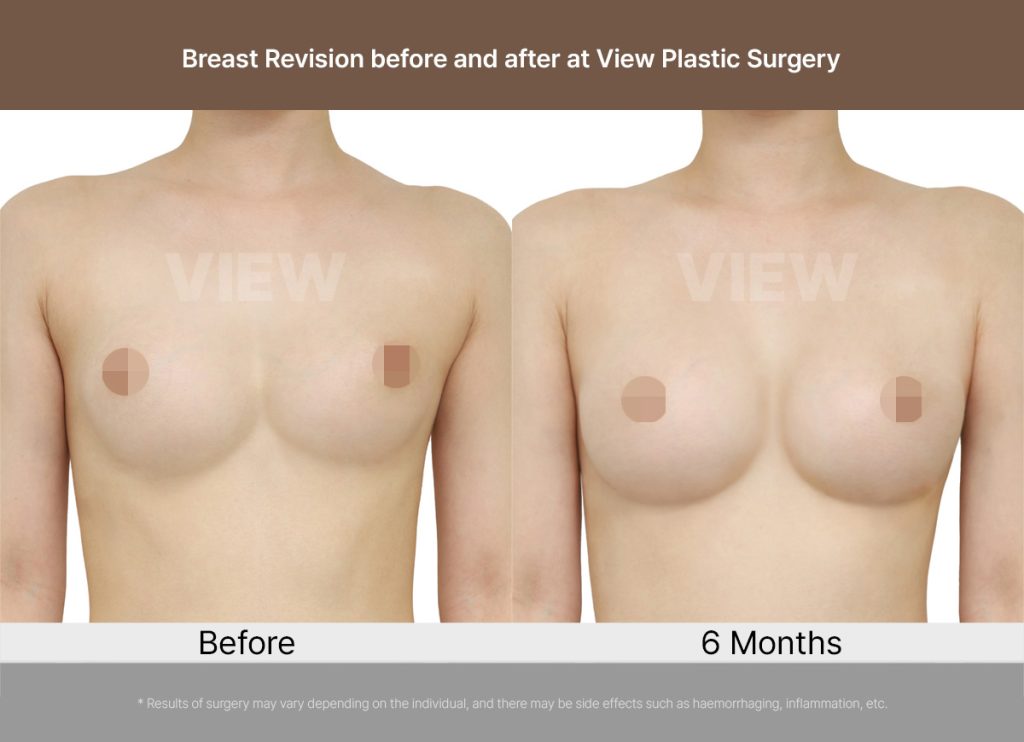
Comprehensive guide on breast implant removal, en-bloc capsulectomy in Seoul, recovery, and natural volume restoration through fat grafting.
1. Breast Implant Removal: Embracing the Shift to Natural Health
In the landscape of aesthetic surgery, we are witnessing a profound paradigm shift. For decades, the focus was primarily on augmentation; however, a significant global movement toward health-conscious, natural lifestyles has catalyzed a 10% annual increase in Breast Implant Removal procedures. Patients are increasingly prioritizing long-term physiological wellness over permanent prosthetic enhancement. At View Plastic Surgery, we recognize that the decision to undergo Explant Surgery in Seoul is often a journey toward reclaiming one’s natural silhouette and addressing underlying health concerns. This guide serves as an exhaustive medical resource for patients navigating the complexities of implant explantation, from surgical techniques to aesthetic restoration.
The Evolving Clinical Landscape
Modern patients are more informed than ever. The demand for removal is no longer solely driven by complications but also by the ‘Explants’ movement, where individuals seek to reduce the foreign body burden on their immune systems. This clinical shift necessitates a surgeon who is not only a skilled technician but also an expert in breast oncology and reconstructive principles.
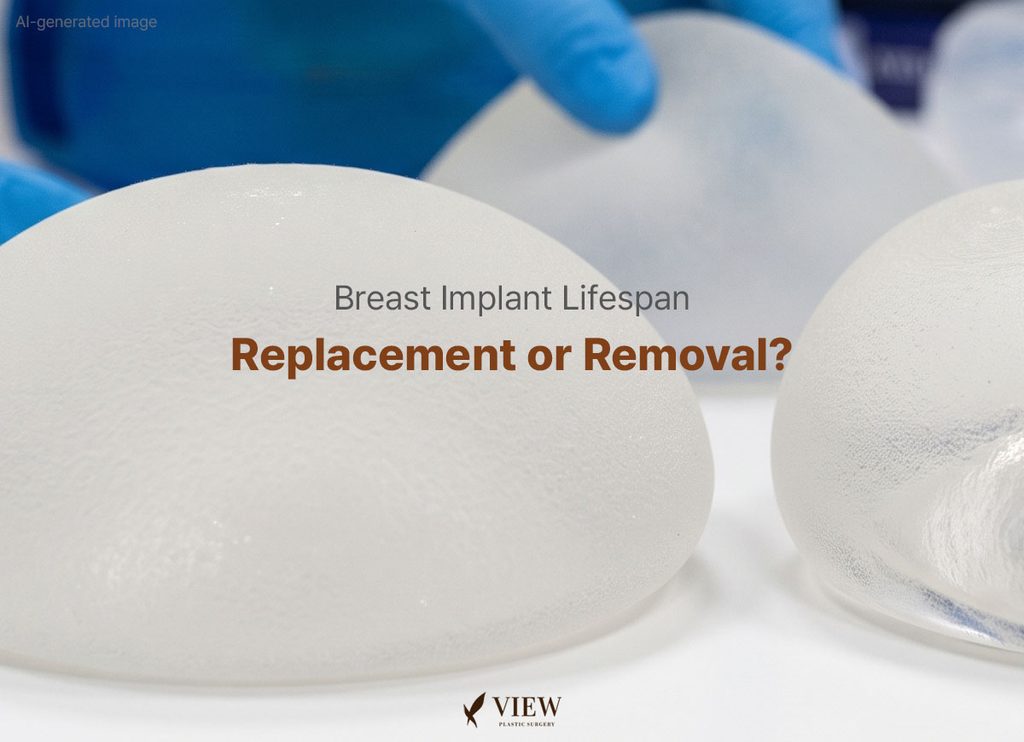
2. Breast Implant Lifespan: When is the Right Time for a Replacement or Removal?
One of the most frequent inquiries we receive concerns the Breast Implant Lifespan. Contrary to popular belief, breast implants are not lifetime devices. While modern cohesive gel implants are engineered for durability, the medical consensus suggests a typical lifespan of 10 to 15 years. However, ‘age’ alone is not the only indicator for surgery.
The Necessity of Regular Surveillance
To ensure patient safety, proactive monitoring is essential. The FDA recommends regular screening to detect ‘silent ruptures’—cases where the implant shell has compromised integrity without visible changes in breast shape. We highly recommend visiting VIEW Plastic Surgery’s Breast Examination center for high-resolution ultrasound or MRI every 2-3 years after the first decade of implantation.
| Indicator | Clinical Significance | Recommended Action |
|---|---|---|
| Implant Age > 10 Years | Increased risk of shell degradation and calcification. | Annual Ultrasound or MRI. |
| Physical Changes | Hardening, asymmetry, or persistent pain. | Immediate consultation for explant surgery. |
| Silent Rupture | Internal leaking of silicone without external symptoms. | Planned removal to prevent silicone migration. |
3. Top Reasons for Breast Implant Removal: Capsular Contracture and Ruptures
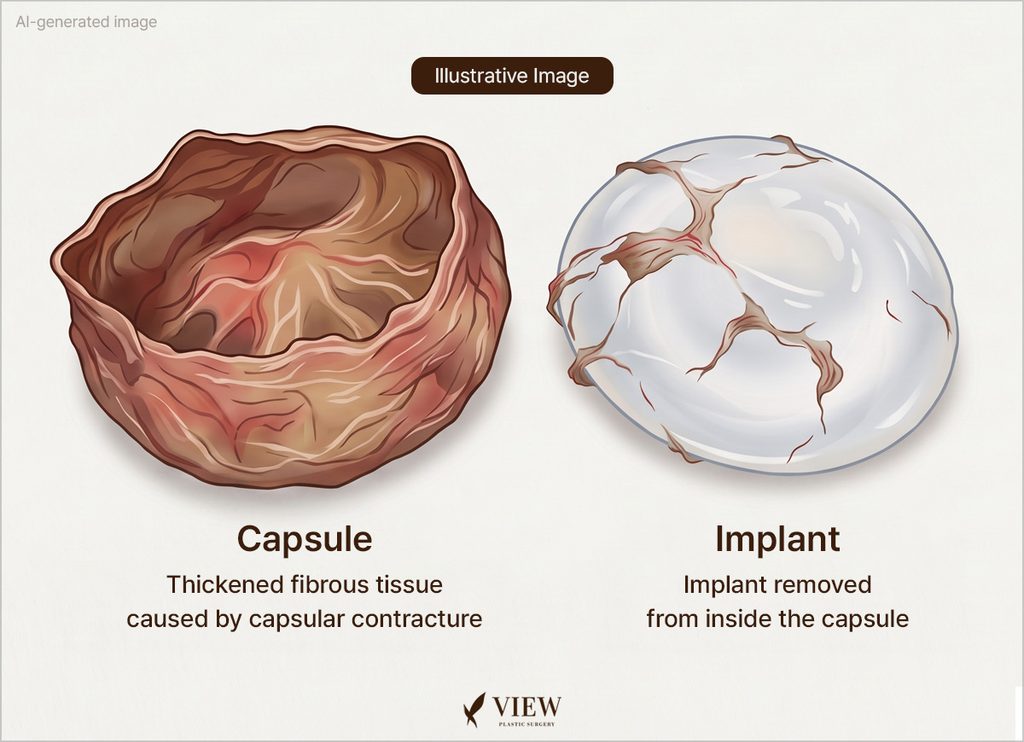
Understanding the Reasons for Breast Implant Removal requires a deep dive into the physiological response to a foreign object. When an implant is placed, the body naturally forms a layer of scar tissue—a capsule—around it. While this is normal, several complications can arise.
Capsular Contracture: The Most Common Complication
Capsular contracture occurs when this scar tissue tightens excessively, squeezing the implant. This can result in distortion of the breast shape and significant discomfort. Surgeons classify this using the Baker Scale (Grades I-IV). Grade III and IV usually necessitate surgical intervention. For those considering replacement instead of pure removal, we often discuss advanced Motiva implants which are designed to minimize contracture risk.
Breast Implant Illness (BII) and Systemic Health
In recent years, BII has become a significant driver for explant surgery. Patients report systemic symptoms such as chronic fatigue, brain fog, joint pain, and skin rashes. While medical research is ongoing, many patients experience a dramatic resolution of symptoms following an En-Bloc Capsulectomy in Korea, where the implant and the entire capsule are removed together.
Ruptures and Silicone Lymphadenopathy
A ruptured implant, particularly older liquid silicone versions, poses a risk of silicone migrating to the axillary lymph nodes. This can cause inflammation and mimic more serious conditions during oncological screenings. Removal is the only definitive treatment for a compromised shell.

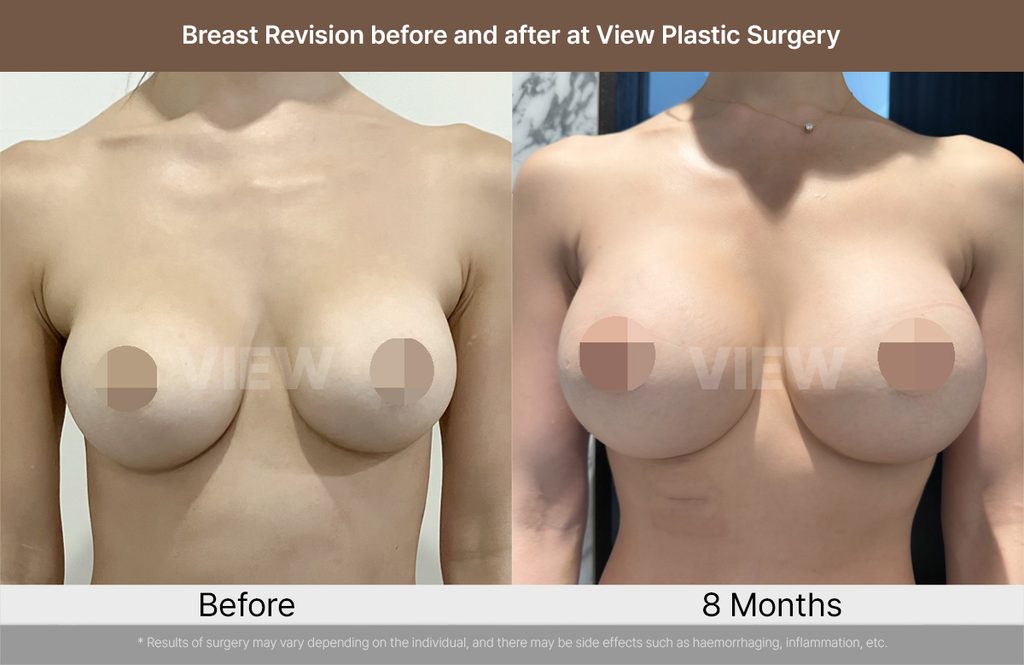
4. Explant Surgery Seoul: Simple Removal vs. En-Bloc Capsulectomy
Choosing the right surgical technique is critical for a successful outcome. At View Plastic Surgery, we specialize in advanced Explant Surgery in Seoul, tailoring the approach to the patient’s pathology.
Simple Removal
This involves an incision through which the implant is extracted. The natural capsule is left behind to be reabsorbed or softened by the body. This is typically reserved for patients with healthy, thin capsules and no history of rupture or BII.
En-Bloc Capsulectomy: The Gold Standard for Safety
En-Bloc Capsulectomy is a technically demanding procedure where the surgeon removes the implant and the surrounding capsule as a single, intact unit. This technique is mandatory if there is a suspected rupture or if the patient is concerned about BII, as it prevents any leakage of silicone or biofilm into the surrounding tissues. It requires a meticulous dissection of the capsule from the chest wall and the pectoralis major muscle.
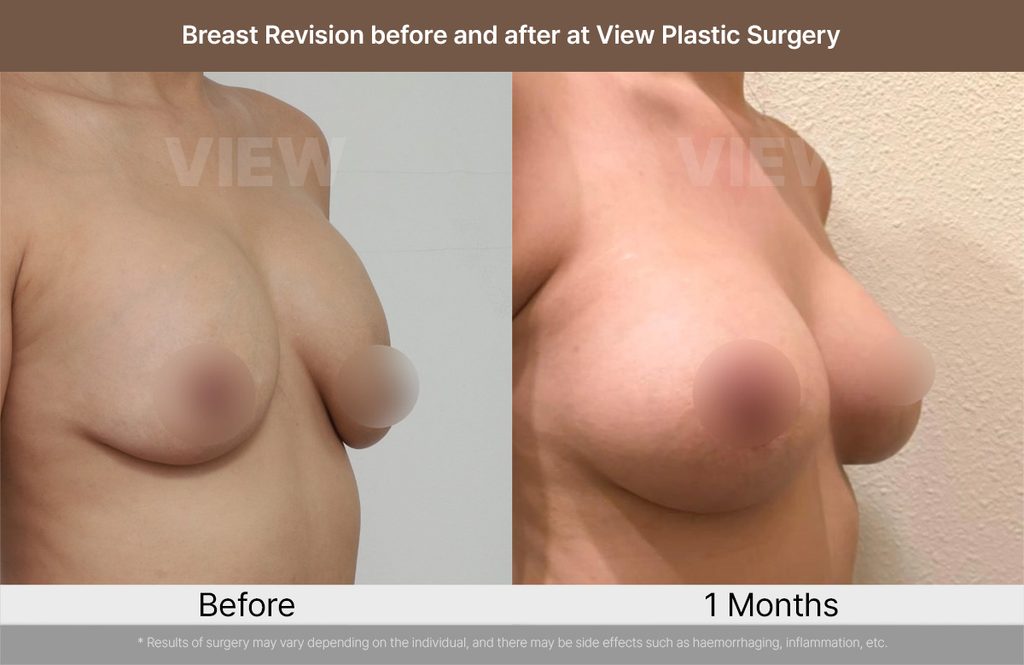
5. Maintaining Volume Naturally: Combining Removal
A primary concern for patients is the aesthetic appearance post-removal. Will the breasts look deflated or saggy? To address this, we offer integrated solutions within our comprehensive breast surgery department.
Mastopexy (Breast Lift)
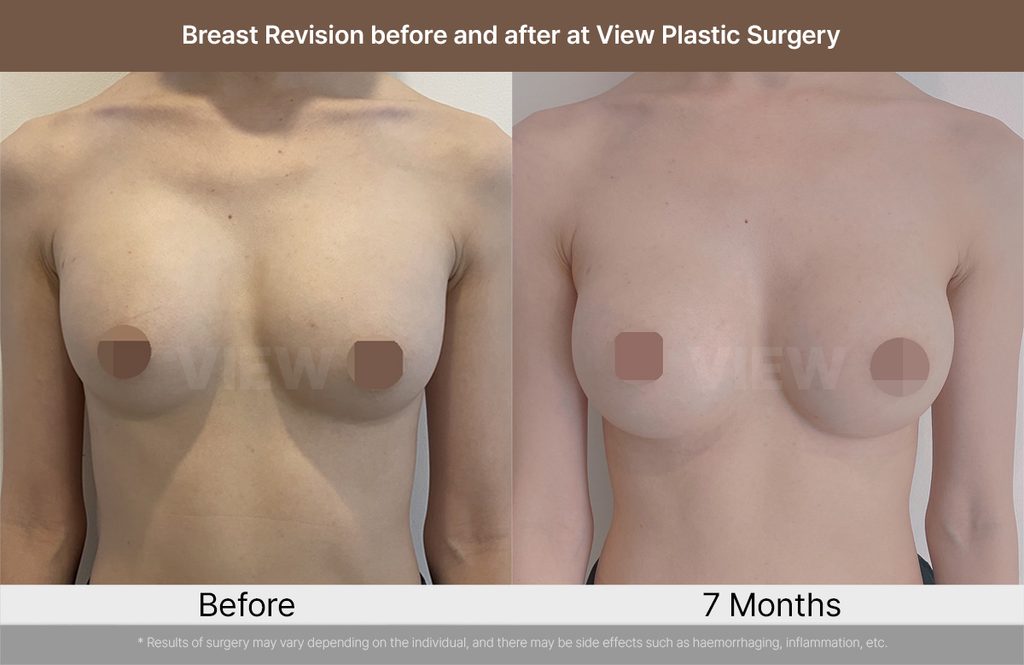
If the skin has lost elasticity due to the weight of the implants, a breast lift may be performed concurrently with removal. This repositioning of the nipple-areolar complex and removal of excess skin creates a perkier, youthful contour that aligns with the new, natural aesthetic. You can view various outcomes in our before and after gallery
6. Recovery and Advanced Imaging: Prioritizing Your Safety in Korea
Safety is the cornerstone of our practice. Our Safe Surgery System ensures that every explant procedure is backed by multi-disciplinary support.
Post-Operative Recovery Timeline
- Days 1-3: Minimal activity; drainage tubes may be present to prevent seroma (fluid buildup).
- Weeks 1-2: Transition to a soft support bra; return to light desk work.
- Weeks 4-6: Gradual return to strenuous exercise and heavy lifting.
The Importance of Advanced Imaging
Before any surgery, we utilize high-definition 3D imaging and ultrasound to map the exact location of the implant and the thickness of the capsule. This precision allows us to minimize tissue trauma during the procedure. For international patients, we offer a dedicated WhatsApp consultation service for preliminary diagnosis and travel planning.

Conclusion
Breast implant removal is more than just a surgical procedure; it is a transition toward a healthier, more authentic version of yourself. Whether you are facing complications like capsular contracture or simply wish to return to a natural state, the experts at View Plastic Surgery in Seoul provide the surgical excellence and compassionate care needed for this journey.