



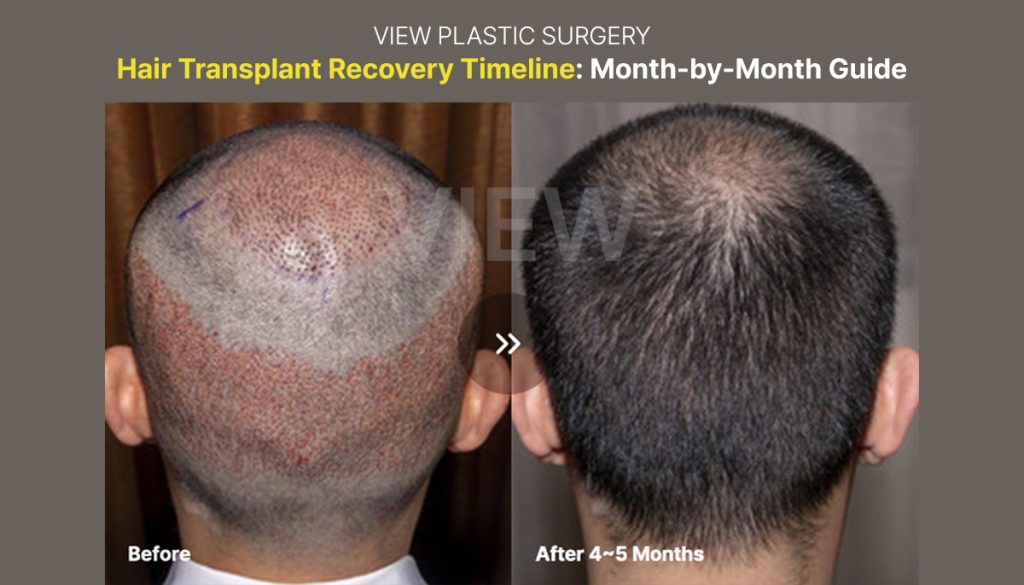
When considering restorative surgery, the most frequent question patients ask is: how long does a hair transplant take to heal? While the surgical procedure itself is completed in a single day, the biological integration of follicles is a year-long journey. Understanding the hair transplant recovery timeline is essential for managing expectations and ensuring the longevity of your results.
The Critical First 14 Days: Graft Security and Acute Healing
The immediate post-operative phase is the most delicate period for follicle viability. During this window, graft survival aftercare focuses on preventing mechanical trauma and infection. At View Plastic Surgery, we emphasize that the first 72 hours are paramount; the newly implanted follicles are essentially held in place by fibrin clots and have not yet established a robust blood supply.
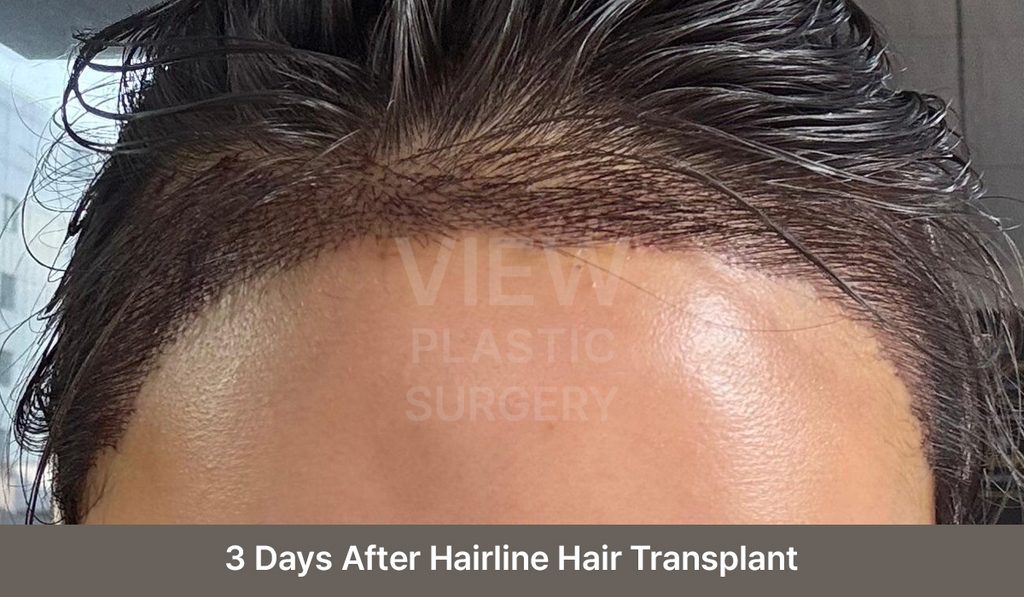
Days 1-3: Managing Edema and Protecting Grafts
Post-operative edema (swelling) is a common physiological response. To mitigate this, patients are advised to sleep at a 45-degree angle. This elevation facilitates lymphatic drainage and prevents the swelling from descending into the periorbital (eye) area. In terms of post-op hair transplant care, the use of sterile saline sprays every 30 to 60 minutes is recommended to keep the grafts hydrated and prevent the formation of thick scabs that could impede oxygenation.
Days 4-10: The Transition to Scab Shedding
By day 4, the risk of graft displacement significantly decreases as the incisions begin to close. However, how long does a hair transplant take to heal in terms of social visibility? Most patients find that by day 10, the redness has faded and the scabs, which formed during the first week, begin to naturally flake off. It is imperative not to pick or scratch these crusts, as doing so could prematurely dislodge a follicle during this sensitive hair transplant recovery timeline.
| Timeframe | Graft Status | Primary Care Requirement |
|---|---|---|
| Days 1-3 | Fragile; held by fibrin | Saline spray, 45-degree sleep |
| Days 7-14 | Anchored; scabs shedding | Gentle washing, scab removal |
| Weeks 3-8 | Dormancy (Shock Loss) | Patience; scalp health |
| Months 4-6 | Early active growth | PRP, LLLT, sun protection |
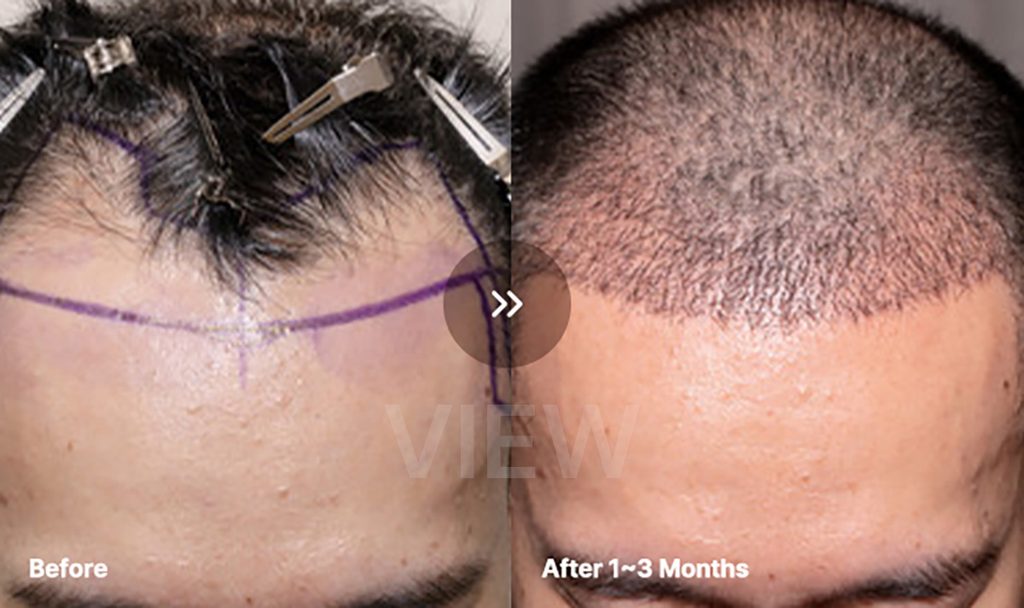
The ‘Ugly Duckling’ Phase: Understanding Hair Transplant Shock Loss
Perhaps the most psychologically challenging part of the hair transplant recovery timeline occurs between weeks 3 and 12. This period is colloquially known as the ‘Ugly Duckling’ phase. During this time, patients experience hair transplant shock loss, where the newly transplanted hair shafts—and sometimes surrounding original hairs—fall out.

The Biological Mechanism of Shedding
It is crucial to understand that hair transplant shock loss is a normal physiological response to surgical trauma. Follicles enter a temporary resting state called telogen phase. While hair shaft sheds, follicle bulb remains healthy and securely anchored beneath the skin. Maintaining strict graft survival aftercare during this phase involves avoiding harsh chemicals and ensuring the scalp remains free of inflammation.
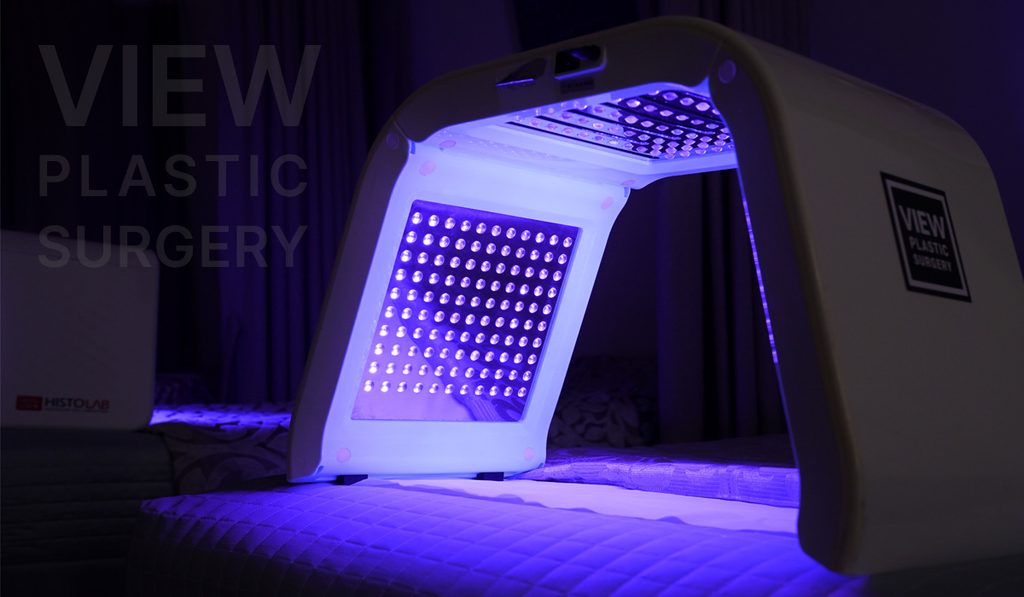
VIEW plastic surgery Post Hair Transplant Recovery Guide
Months 3-6: The Emergence of New Growth
Around 90 to 120-day mark, follicles transition back into anagen (growth) phase. Initially, these ‘baby hairs’ appear thin and colorless, similar to vellus hair. This is the turning point in the hair transplant recovery timeline where visible density begins to improve.
Strategic Implementation: PRP and LLLT
To accelerate this transition and optimize graft survival aftercare, 2025 clinical protocols often suggest incorporating Platelet-Rich Plasma (PRP) therapy or Low-Level Laser Therapy (LLLT). These treatments increase blood flow to the scalp and provide growth factors that thicken the emerging hair shafts. If you are interested in these advanced protocols, you can reach out via WhatsApp for more information on our post-op enhancement packages.
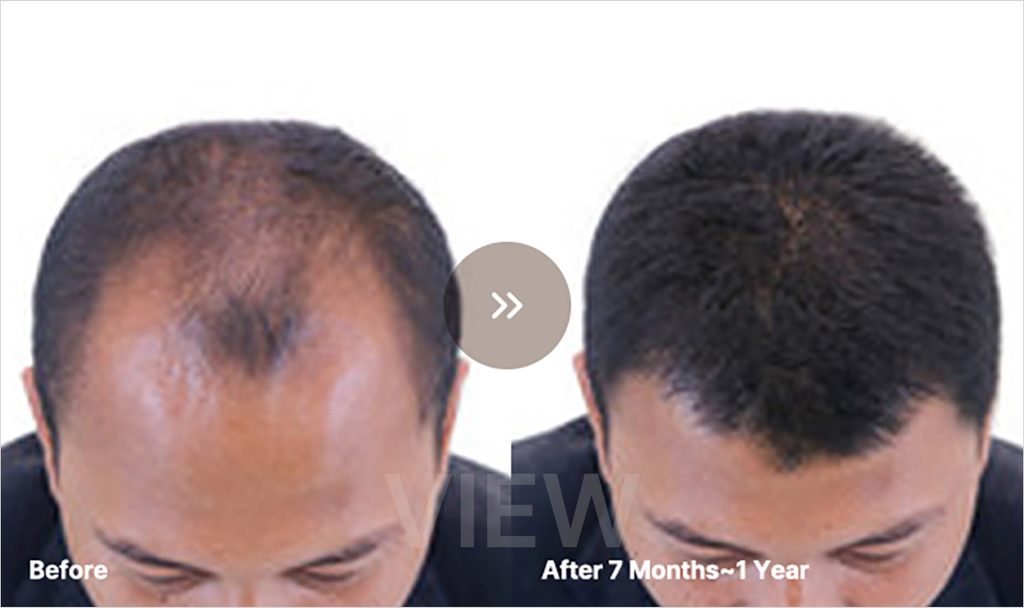
Months 6-12: Maturation and Final Results
Between months 6 and 9, patients typically see 50% to 70% of the final result. Hair begins to thicken and texture matures. By 12-month mark, hair transplant recovery timeline is largely complete. Hair now behaves naturally and can be styled, cut, and treated like the rest of your hair. When asking how long does a hair transplant take to heal, the answer is usually one year for the final aesthetic outcome, though some patients (especially in the crown area) may see continued improvement up to 18 months.
Long-Term Post-Op Hair Transplant Care
Even after 12-month milestone, long-term post-op hair transplant care remains vital. Protecting the scalp from UV damage and maintaining a healthy donor area is key. For those seeking a permanent solution to hair loss, understanding the nuances of comprehensive hair transplant procedures is the first step toward a successful transformation.