



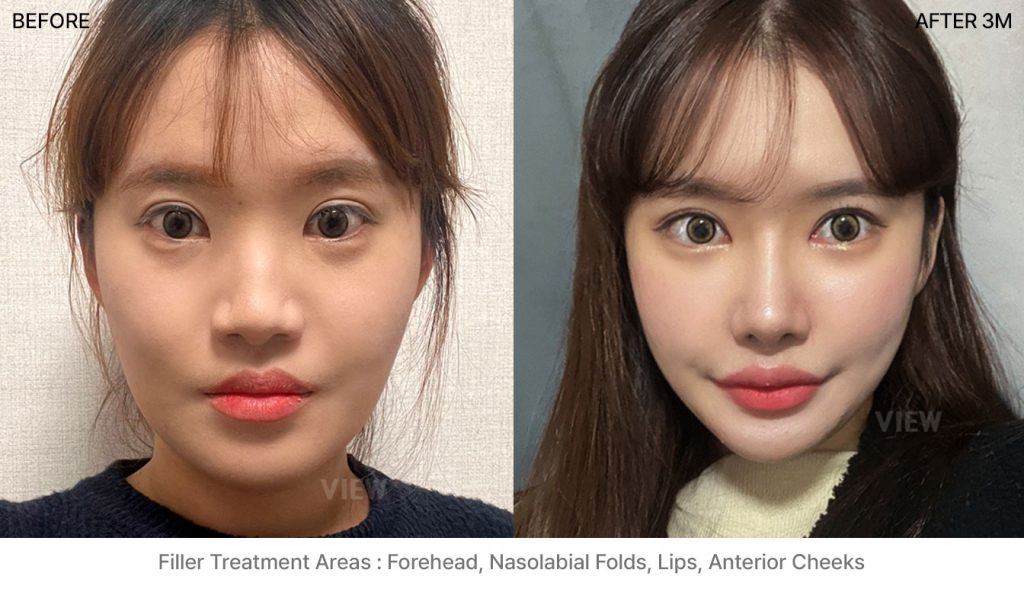
Dermal Fillers Seoul: The Ultimate Clinical Guide to Facial Volumization and Contouring
Seoul, South Korea, has established itself as the global epicenter for aesthetic innovation, particularly in the realm of non-surgical facial rejuvenation . At VIEW Plastic Surgery, the application of dermal fillers transcends basic volumization; it is a sophisticated clinical intervention that merges anatomical precision with rheological expertise. This guide provides an exhaustive analysis of the types, mechanisms, and safety protocols associated with dermal fillers Seoul.
1. Dermal Fillers Seoul: Why South Korea Leads Global Aesthetic Standards
The global demand for dermal fillers Seoul is driven by the ‘Korean Aesthetic’—a philosophy prioritizing facial harmony, skin health, and undetectable enhancement. Unlike Western trends that occasionally lean toward hyper-volumization, Korean practitioners utilize fillers to refine structural deficiencies while maintaining natural kinetic expressions. This requires a deep understanding of facial fat pads, the SMAS layer, and the dynamic interaction between soft tissue and bone.
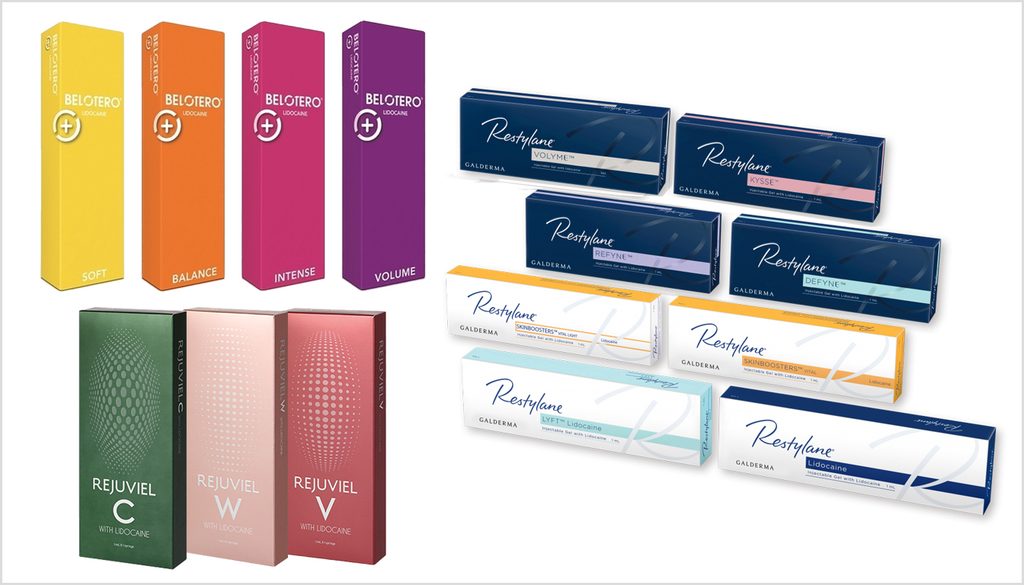
For patients seeking advanced skin treatments and injectable solutions, Seoul offers access to the latest product generations from both global leaders (like Allergan and Galderma) and innovative domestic manufacturers (like LG Chem and Medytox).
2. Types of Fillers: Comparative Analysis of Hyaluronic Acid and Biostimulators
In the clinical setting, fillers are categorized based on their chemical composition and mechanism of action. Choosing the right material is critical for achieving the desired longevity and projection.
2.1 Hyaluronic Acid Fillers: The Gold Standard
Hyaluronic Acid Fillers(HA) remain the most popular choice due to their biocompatibility and reversibility. HA is a naturally occurring polysaccharide in the human extracellular matrix, capable of holding 1,000 times its weight in water.
- Mechanism: Immediate mechanical expansion of the dermis or hypodermis.
- Rheology: Varies from low G’ (soft fillers for fine lines) to high G’ (firm fillers for structural support).
- Reversibility: Can be instantly dissolved using Hyaluronidase, providing an essential safety net.
2.2 Biostimulators (PLLA and CaHA)
Biostimulators, such as Poly-L-Lactic Acid (Sculptra) or Calcium Hydroxylapatite (Radiesse/Facetem), do not just provide volume; they induce neocollagenesis.
- PLLA: Works by triggering a controlled inflammatory response that recruits fibroblasts to produce Type I collagen.
- CaHA: Provides immediate structural support with microspheres that act as a scaffold for new tissue growth.
| Filler Category | Primary Material | Mechanism | Duration |
|---|---|---|---|
| HA Fillers | Hyaluronic Acid | Water retention & Volumization | 6–18 Months |
| Biostimulators | PLLA / CaHA | Collagen Synthesis | 24+ Months |
3. Targeted Areas: Anatomical Precision in Injection
Modern aesthetics at VIEW Plastic Surgery involves a holistic approach, often referred to as ‘Full Face Contouring’. Each anatomical zone requires a specific injection depth and filler rheology.
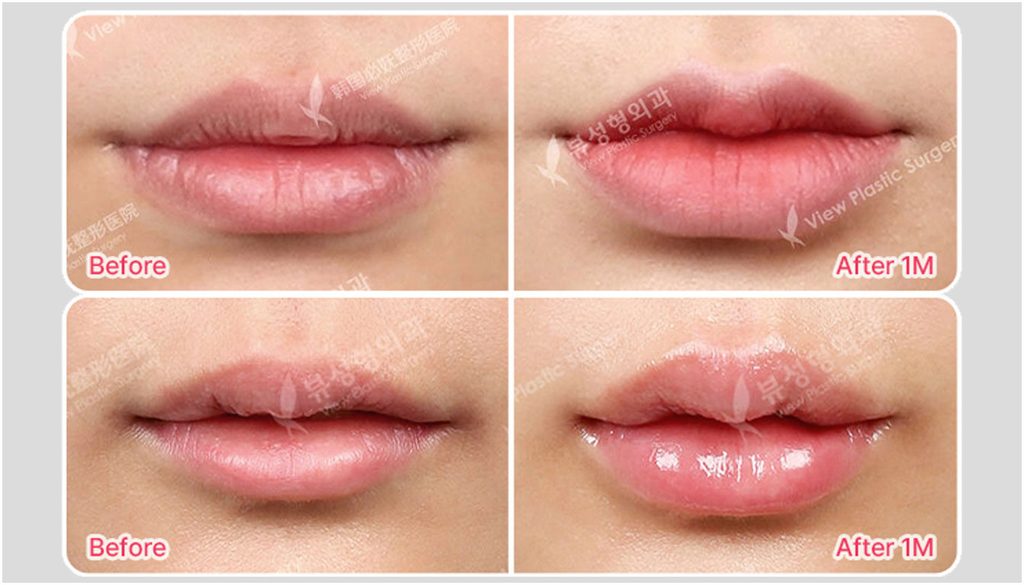
3.1 Best Lip Fillers : Beyond Simple Plumping
Achieving the best lip fillers involves treating vermilion border for definition, philtrum columns for youthful projection, and body of lip for hydration. We utilize the ‘Golden Ratio’ (1:1.6) to ensure the lower lip remains slightly fuller than the upper lip, maintaining a natural profile.
3.2 Jawline and Chin Augmentation
To achieve a defined ‘V-line’ profile, high G’ fillers are injected supraperiosteally (above the periosteum) to mimic the projection of bone. This provides a sharp jawline and balances the facial profile without the need for invasive implants.
3.3 Mid-Face Volumization and Nasolabial Folds
Aging often leads to descent of malar fat pad. By injecting filler into deep medial cheek fat and lateral malar areas, we create a lifting effect that naturally reduces the depth of nasolabial folds (smile lines).
4. Dermal Filler Longevity and Aftercare: Sustaining Optimal Results
Understanding dermal filler longevity and aftercare is paramount for patient satisfaction. While filler material is biocompatible, it is eventually metabolized by the body’s endogenous hyaluronidase enzymes.
4.1 Factors Influencing Longevity
- Product Viscosity: Thicker, highly cross-linked fillers last longer than thin fillers.
- Metabolic Rate: Individuals with high basal metabolic rates may process filler faster.
- Area Mobility: Fillers in high-mobility areas (lips, mouth) degrade faster than those in static areas (nose, chin).
4.2 Essential Aftercare Protocol
To maximize your non-surgical facial rejuvenation results, follow these clinical guidelines:
- Avoid Thermal Stress: No saunas, steam rooms, or intense sun exposure for 14 days, as heat can accelerate initial degradation.
- Physical Impact: Do not massage or put pressure on the treated area to prevent filler migration.
- Hydration: Maintain high systemic hydration to support HA filler integration.
5. The Art of Natural Results: The VIEW Plastic Surgery Methodology
At VIEW Plastic Surgery, we utilize 3D facial imaging and a multi-layered injection technique. By placing fillers at different depths (subcutaneous, supraperiosteal, and intradermal), we create a result that is visually smooth during both rest and animation. If you are interested in a customized plan, we recommend booking a personalized consultation.

6. Safety and Ethics: Ensuring a Complication-Free Experience
While dermal fillers are minimally invasive, they carry risks such as vascular occlusion or delayed onset nodules if performed by untrained practitioners. In Korea, medical safety is prioritized through the use of:
- Cannula Techniques: Using blunt-tipped cannulas instead of needles in high-risk areas to minimize vascular trauma and bruising.
- Premium Certified Products: We only use FDA or KFDA-approved fillers with a proven safety profile.
- Emergency Protocols: Immediate access to high-concentration hyaluronidase and emergency medical management.
For immediate inquiries regarding safety or to check our availability, you can contact our clinical team via WhatsApp Support.